“Why you can trust Digital Trends – We have a 20-year history of testing, reviewing, and rating products, services and apps to help you make a sound buying decision. Find out more about how we test and score products.“
Jealous of the iPhone 7 Plus and its cool dual-lens camera, but don’t have the inclination to spend the many hundreds of dollars needed to own one? ZTE may have the solution with the Blade V8 Pro, an Android phone with a similar dual-lens camera, which costs just $230. ZTE has been impressing us recently with the Axon 7 and Axon 7 Mini, but how will it do with the Blade V8 Pro? It’s the first time a Blade series phone has been announced for the U.S., with the series previously only being sold internationally.
The Blade V8 Pro is a relatively cheap way to get in on the dual-cam craze.
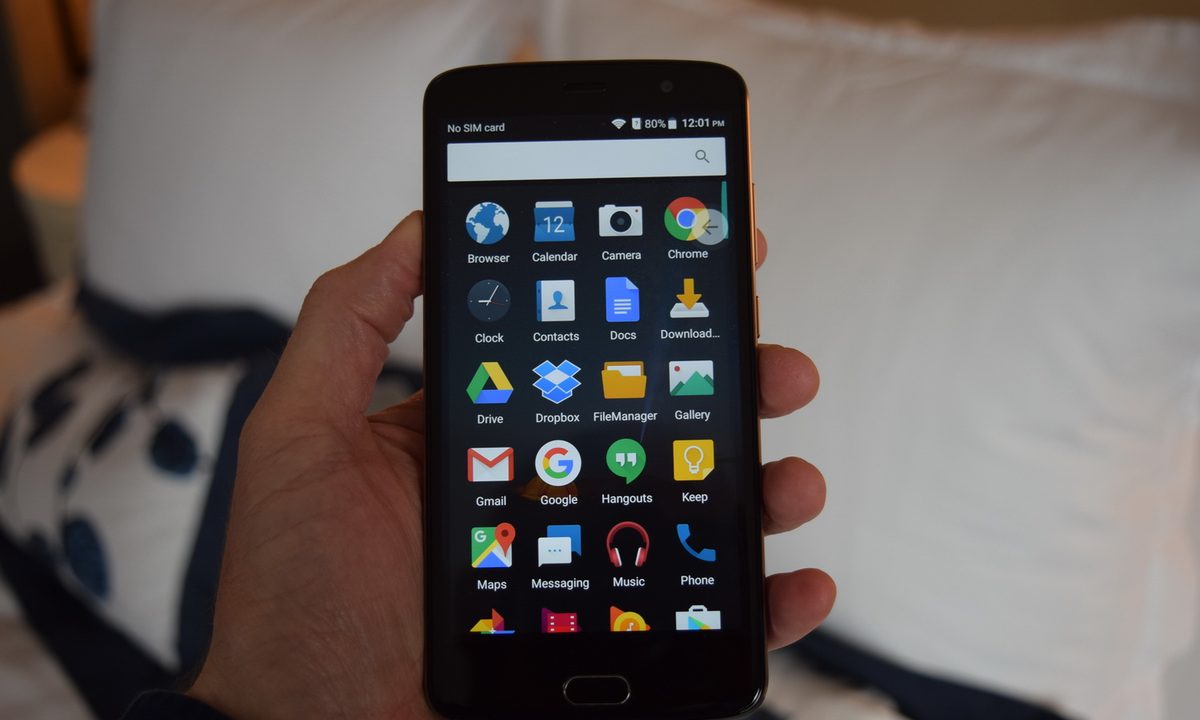
If you’ve handled the Axon 7, you may be expecting the Blade V8 Pro to have a sleek metal body. It doesn’t. This is a mid-range phone with a plastic back cover, matched to a metal chassis, but is surprisingly heavy at 185 grams. At 9mm thick, it’s comfortable and chunky to hold, and the 5.5-inch 1,920 x 1,080 pixel screen is attractive. There’s a physical home button under the screen that also holds a fingerprint sensor, a feature we don’t always see on phones at this price.
The dual-lens camera consists of two 13-megapixel lenses. The two work together to create the bokeh, blurred background effect, similar to that on the iPhone 7 Plus, Huawei’s Mate 9 and P9, and several other phones. The Blade V8 Pro’s software works in a very similar way to Huawei’s system. Tap a special button to activate the dual-lens effect, snap your photo, then change the focal point afterward in the gallery. It’s quick and easy.


We didn’t spend enough time with the phone to really judge the results, but we really liked the various fun filters ZTE has included. A live “sketch” mode turned the view into a wild, hand-drawn world, for example. Powering the phone is a Qualcomm Snapdragon 625, a new processor that trumps the Moto G4 Plus, a natural competitor of the Blade V8 Pro, that has also been used in the much more expensive Huawei Nova. It’s accompanied by 2GB of RAM and 32GB internal storage space.
High-end audio
Audio has become a strong ZTE trademark feature, and the Axon phones both sound superb. The Blade V8 Pro continues the tradition, and although the audio chip isn’t quite at the Axon level, it promises great performance. Dolby audio tweaks are also onboard. It’s Android 6.0 installed, and like other U.S. released ZTE phones, it’s close to standard, with only a small amount of user interface tweaking on ZTE’s part. This is good news, but we’d have preferred to have Android 7.0 installed right from the start. Returning to the good news, the 3,140mAh battery has quick charge technology, something the new Honor 6X doesn’t have, and there’s a MicroSD card slot.
It’s very difficult to fault a phone that packs in one of the current must-have features — the dual camera — and costs $230. We like the simple design and 2.5D curved glass and the use of an up-to-date Snapdragon processor, but aren’t pleased to hear there aren’t any plans to offer it through a carrier at the moment. If you want a Blade V8 Pro, you’ll have to buy it direct through ZTE. It’s not a massive deal, but it may put some people off.
Provided that’s not you (and it shouldn’t be), the Blade V8 Pro is a relatively cheap way to get in on the dual-cam craze. ZTE impressed us in 2016, and with the Blade V8 Pro, it’s off to a solid start in 2017.
Highs
- Low price
- Two camera lenses
- Fun photo modes
- Fingerprint sensor
Lows
- Not sold through a carrier
- Not the latest Android version