  1. Home
  2. Social Media
  3. News

Instagram will stop bombarding teens with the same kind of obsessively unhealthy content

Meta is rolling out a fix for repetitive harmful content for teens

Add as a preferred source on Google
meta-instagram-global-teen-protections
Meta

Instagram has a well-documented problem with how it treats teenage users, and Meta is finally taking a more concrete step to address it. The company announced it is testing a new feature on Instagram designed to stop teens from being repeatedly served the same type of content in Explore, Feed, and Reels.

The announcement is part of a broader global rollout of tightened teen account protections across Instagram, Facebook, and Messenger.

The evidence against Instagram’s algorithm has been building for years

Researchers set up fake teen profiles on Instagram and found that liking just one fitness-related post was enough to completely change what the algorithm recommended next. The Explore tab quickly filled up with weight-loss tips, extreme dieting content, and images of heavily edited body types. The pattern repeated across profiles mimicking teenagers of different ages and genders.

According to Harvard researchers, Instagram’s algorithm actively draws vulnerable teens into a damaging cycle of negative social comparison, worsening body image, anxiety, depression, and eating disorders.

Recommended Videos

Most damningly, Facebook’s own internal research found that 32% of teen girls said Instagram made them feel worse about their bodies when they were already struggling. The platform knew this and kept going.

What Meta is doing to protect teens from harmful content

Meta acknowledges that content around nutrition, fitness, or coping with anxiety can be useful, but argues it should be balanced rather than served on repeat. The new feature being tested is specifically aimed at breaking that loop.
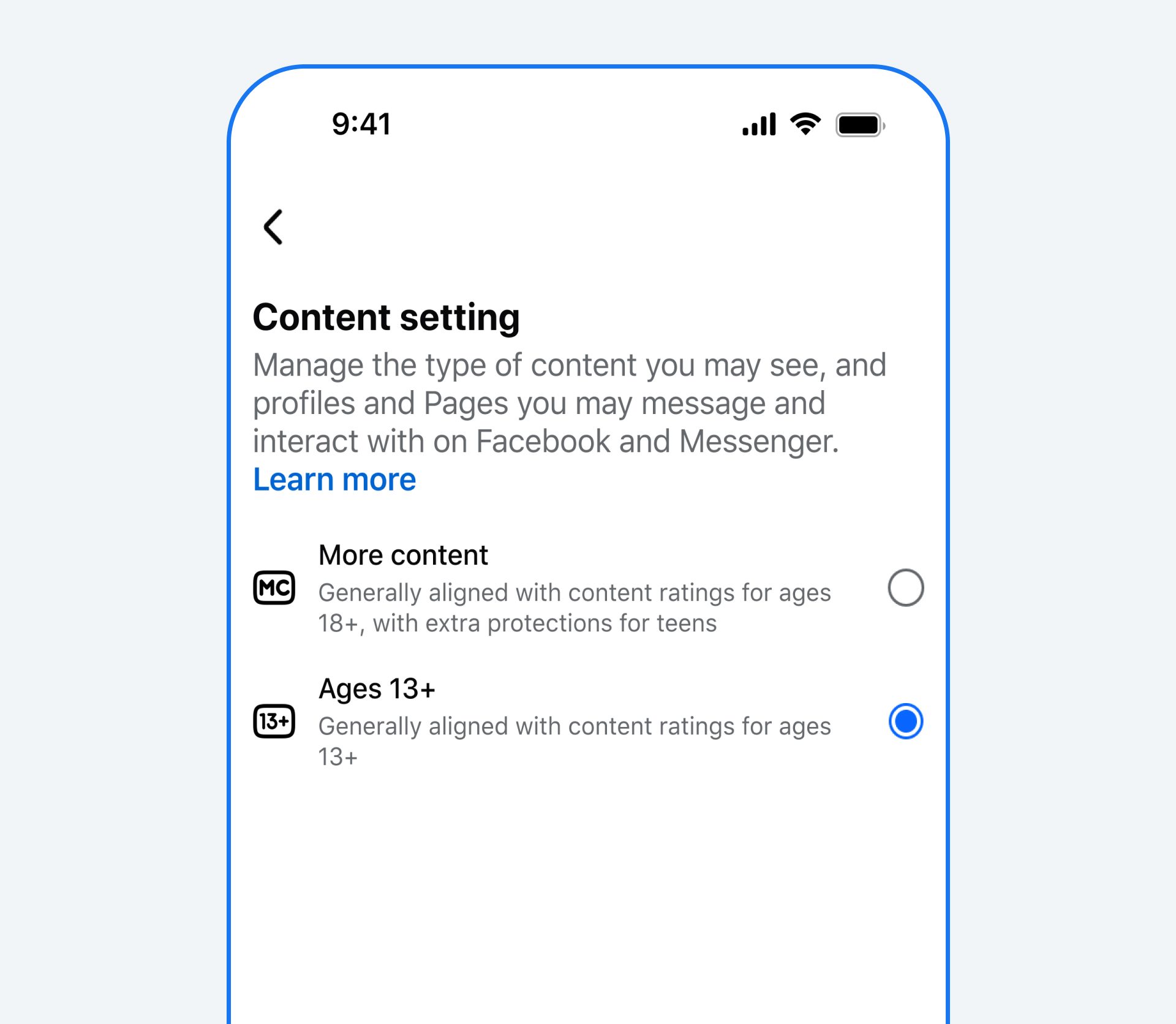
Separately, the 13+ content setting, first launched last October, is now expanding globally across Instagram, Facebook, and Messenger. Nine out of ten teens have stayed within that setting since launch.

An independent assessment by online safety firm Alice found that teens in the default 13+ setting saw 68% less mature content than on a leading competitor’s teen experience. Those in the stricter Limited Content setting saw 96% less.

Meta also crowdsourced feedback from hundreds of thousands of parents who rated over 15 million pieces of content. In a survey at the end of April, fewer than 2% of posts were flagged as inappropriate by most parents. The stricter Limited Content setting is also coming to Facebook and Messenger later this year.

Manisha Priyadarshini
Manisha Priyadarshini is a tech and entertainment writer with over nine years of editorial experience.
Snapchat Planets Meaning: Order, Rankings, and How Friend Solar System Works
Snapchat Planets turns your best friends list into a solar system, and yes, your orbit says a lot
Snapchat Planets being shown on the Snapchat app on iPhone.

Snapchat+ includes several exclusive features, but few have generated as much curiosity as Snapchat Planets. Part of the app's Friend Solar System, it transforms your Best Friends list into a planetary ranking, assigning each of your top eight friends a planet based on how often you interact.

From Mercury, which represents your closest friend, to Neptune, which represents your eighth closest, the system offers a quick visual snapshot of your interactions. But what do the different planets actually mean, and how does Snapchat decide who gets which one?

Read more
Instagram lands on Samsung TVs, with episodic series and live TV coming to your screen soon
Instagram for TV adds new features for group watching.
instagram-samsung-tv

Meta just expanded Instagram for TV to Samsung Smart TVs across the US, rolling out a bunch of new features built for group viewing. With Samsung now on board, Instagram for TV has officially landed on the three biggest connected TV platforms in the country.

https://twitter.com/metanewsroom/status/2069062429821026732?s=46

Read more
TikTok’s AI slop problem is worse than you think — and kids are seeing the most of it
TikTok

TikTok has spent years perfecting the art of knowing exactly what you want to watch next. Open the app, scroll a few times, and suddenly it’s serving videos that feel uncannily tailored to your interests. But what happens before TikTok learns who you are? According to new research from video editing platform Kapwing, the answer is increasingly AI slop.

The study found that nearly 60% of the videos shown to a brand-new TikTok account were low-quality AI-generated content. That’s not a niche problem buried in obscure corners of the platform. It’s the first impression TikTok is making on new users before the algorithm even begins personalizing their feed. And if that sounds concerning, the findings around children’s content are even harder to ignore.

Read more