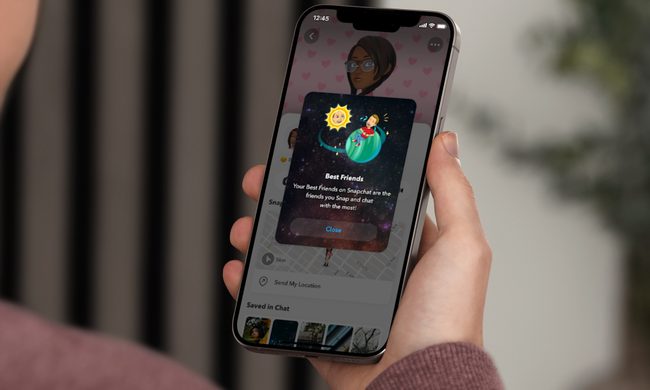
A New York Times review of internal documents from lawsuits filed by more than 1,400 school districts against Meta, Snap, TikTok, and YouTube has revealed how these companies deliberately targeted students, even as their own safety teams raised concerns about the harm being caused.
The documents paint a pretty damning picture. Snapchat sent phone alerts to teenagers during school hours, urging them to share what was happening in their classrooms. A Snapchat strategy document reportedly referred to classroom phone use as “under the desk” time.
Meta went a step further and recruited “teen ambassadors,” paying high school students $45 gift cards and branded gear to promote Instagram to their friends. TikTok donated millions to the National PTA, partly to fund school events on online safety.
Did these companies know what they were doing?
Yes, and that’s what makes these revelations so troubling. TikTok’s safety team had pushed for years to disable notifications during school hours, but company leadership rejected the change. A TikTok employee wrote in 2022, “Teachers are going to hate it. Kids already have smartphone addiction in class,” referring to a feature that nudged users to post within three minutes.
A manager’s response? “If we assume teens are going to do this anyway, we’d rather them be here on TikTok.” Google wasn’t innocent either. A 2020 internal document stated that “investing in schools helps onboard kids into Google’s ecosystem,” and YouTube managers knew the algorithm was recommending off-topic videos to students during school hours.
What happens now?
All four companies recently settled with Breathitt County Schools, a small Kentucky district of about 1,500 students, for $27 million. But that’s likely just the beginning. The next case involves Tucson Unified School District, which is seeking more than $1 billion in damages.
Cornell Law professor Alexandra Lahav described the litigation as “massive, massive lawsuits” that could ultimately cost these companies billions. The companies maintain that the pandemic and other factors are to blame for the teen mental health crisis, and that parents and schools share responsibility too. Whether a courtroom agrees is a different matter entirely.
Even if the courtroom agrees, a billion dollars is like chump change to these companies. They will happily pay it off as they earn 100x of that amount in a year. Unless and until some criminal prosecution is brought against these companies for blatantly causing harm to kids and students, and some strict laws are passed by the government, things like these are not going to stop anytime soon.