  1. Home
  2. Social Media
  3. Computing
  4. Photography
  5. Web
  6. News

Twitter enhances photo-sharing by uncropping images and improving layouts

Add as a preferred source on Google

Twitter will stop cropping photos on desktop timelines in order to create a more “immersive … media experience” for users, the company says.

In the past, Twitter cropped all the images on its service in order to create a constant experience for all users. Meaning that unless you looked up its image dimension guidelines, your full-size photos would appear cut off within your tweets, expanding once someone clicked on the image.

Recommended Videos

To a certain extent, this restriction is no more. Photos within tweets will now appear in the size they were taken. However, photos larger than a certain (undisclosed) size are appearing in a square format, as TechCrunch points out. Additionally, some users noted that the changes aren’t appearing for them at present. A quick scroll through our timeline revealed that some images were definitely larger than others, with certain photos still appearing in the original cropped format.

Larger-sized images will also be displayed when multiple images are uploaded within one tweet. In the latter case, the lead image will be emphasized, with others reduced to fit within the generic collage layout used by Twitter.

https://twitter.com/twitter/status/673882166980284416

The move is another step toward Twitter’s goal of creating a more visual platform. For a service that was once driven by text-only content, the past year has seen it implement significant changes — including autoplaying videos, and the image-heavy Moments feature aimed at attracting new users — in regard to visual media.

For those uninterested in Twitter’s visual capabilities, it will mean more scrolling within an already photo-heavy platform as images take up more space. Purists may argue that the service is detracting from the effusive content that propelled its popularity by continually putting the emphasis on images. Nonetheless, visuals attract the most engagement and that is exactly what Twitter is trying to achieve.

Saqib Shah
Saqib Shah is a Twitter addict and film fan with an obsessive interest in pop culture trends. In his spare time he can be…
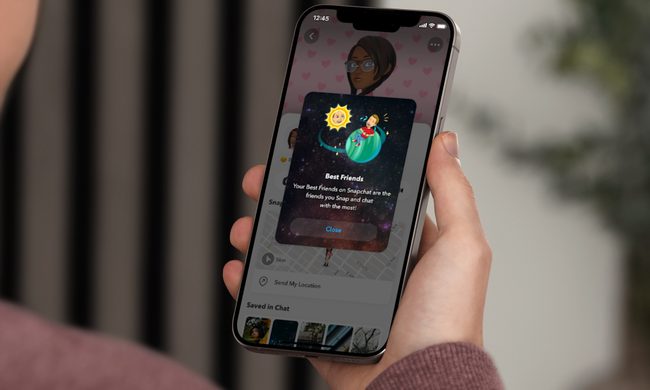
Snapchat Planets Meaning: Order, Rankings, and How Friend Solar System Works
Snapchat Planets turns your best friends list into a solar system, and yes, your orbit says a lot
Snapchat Planets being shown on the Snapchat app on iPhone.

Snapchat+ includes several exclusive features, but few have generated as much curiosity as Snapchat Planets. Part of the app's Friend Solar System, it transforms your Best Friends list into a planetary ranking, assigning each of your top eight friends a planet based on how often you interact.

From Mercury, which represents your closest friend, to Neptune, which represents your eighth closest, the system offers a quick visual snapshot of your interactions. But what do the different planets actually mean, and how does Snapchat decide who gets which one?

Read more
Instagram lands on Samsung TVs, with episodic series and live TV coming to your screen soon
Instagram for TV adds new features for group watching.
instagram-samsung-tv

Meta just expanded Instagram for TV to Samsung Smart TVs across the US, rolling out a bunch of new features built for group viewing. With Samsung now on board, Instagram for TV has officially landed on the three biggest connected TV platforms in the country.

https://twitter.com/metanewsroom/status/2069062429821026732?s=46

Read more
TikTok’s AI slop problem is worse than you think — and kids are seeing the most of it
TikTok

TikTok has spent years perfecting the art of knowing exactly what you want to watch next. Open the app, scroll a few times, and suddenly it’s serving videos that feel uncannily tailored to your interests. But what happens before TikTok learns who you are? According to new research from video editing platform Kapwing, the answer is increasingly AI slop.

The study found that nearly 60% of the videos shown to a brand-new TikTok account were low-quality AI-generated content. That’s not a niche problem buried in obscure corners of the platform. It’s the first impression TikTok is making on new users before the algorithm even begins personalizing their feed. And if that sounds concerning, the findings around children’s content are even harder to ignore.

Read more