
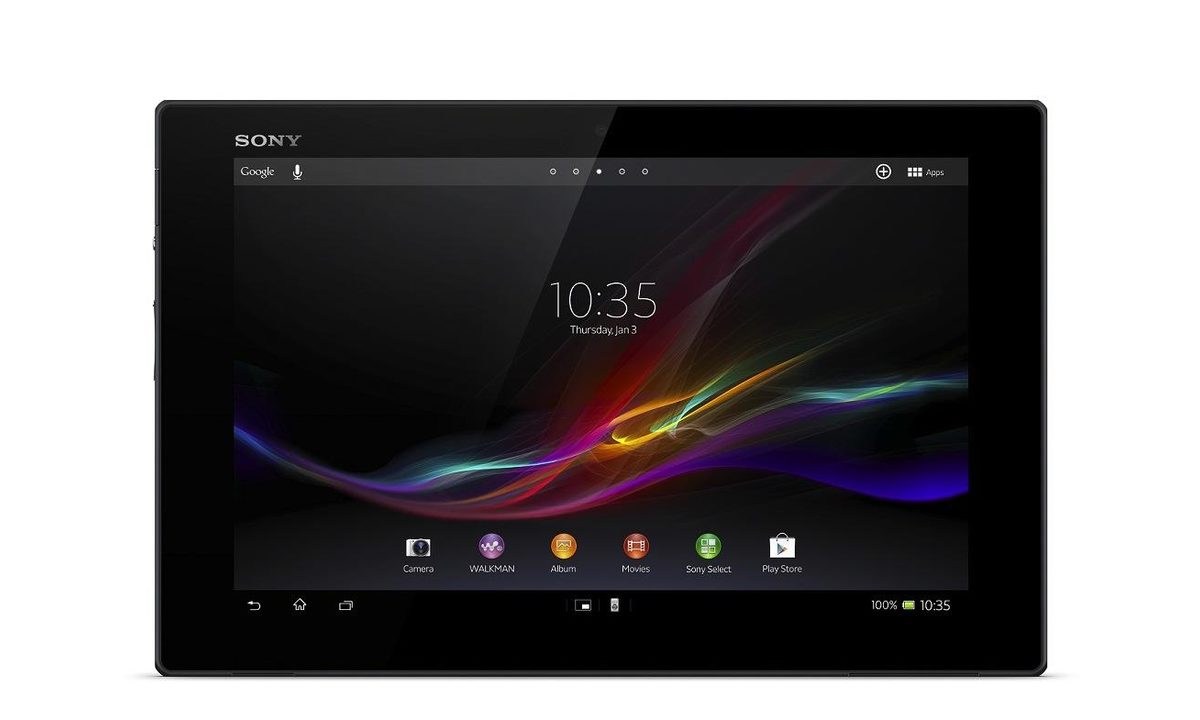

“The Xperia Tablet Z is so thin and light people will literally say ‘wow,’ and despite occasional lag and a needed Android 4.2 update, it’s one of the best tablets available.”
- Incredibly thin and light
- Vibrant, high-resolution screen
- Comfortable to hold
- Powerful processor & specs
- MicroSD for more storage
- Water and dust resistant
- Runs older version of Android
- Google Play store lacks tablet app selection of iPad
- Interface can lag a little
- $100 more expensive than Nexus 10
“Why you can trust Digital Trends – We have a 20-year history of testing, reviewing, and rating products, services and apps to help you make a sound buying decision. Find out more about how we test and score products.“
Sony has been in the tablet game for two years, and it hasn’t had a lot of success. The first Xperia Tablet was, well, strange and pie-shaped, and it’s sequel last year had so many hardware issues that it was recalled. But as the saying goes, third time is a charm. Like it’s Xperia Z phone, the Xperia Tablet Z offers a completely new look and feel for a Sony device, and we couldn’t be more excited.
Priced to take on the iPad
Before we get into the specifics of the Xperia Tablet Z, know that Sony has priced it at $500. This puts it at the same price as an entry-level iPad 5 and at the upper price tier for most Android tablets, which have been decreasing in price to appear as a bargain compared to the iPad. We believe the primary choice most of you will make is between this (or a similar tablet) and the 9.7-inch iPad. The Nexus 10 is its nearest Android competitor for $400. The Microsoft Surface RT also starts at $500, but actually costs another $100 if you want a keyboard cover (and you do).


A ‘wow’ tablet
The Xperia Tablet Z is a ‘wow’ device. When you put it in someone’s hands, they immediately smile and say, “wow, it’s so light.” After that, they comment on how thin it is (6.9mm). This happened with all of us in the office and everyone we handed it to. It’s a near-perfect example of what a 10-inch tablet should look and feel like and it makes the iPad feel heavy and fat.
When you put it in someone’s hands, they immediately say, ‘wow.’
With an easy-to-find (it’s bright silver) Power button and Volume rocker on the left, it’s easy to turn on and operate as well. The ‘wow’ factor continues once it’s turned on with a 1080p screen that pretty much matches Apple’s ‘Retina’ screens and looks fantastic at most angles. (It’s TFT, and does have a little discoloration at extreme angles, but nothing a non-reviewer would complain about.)
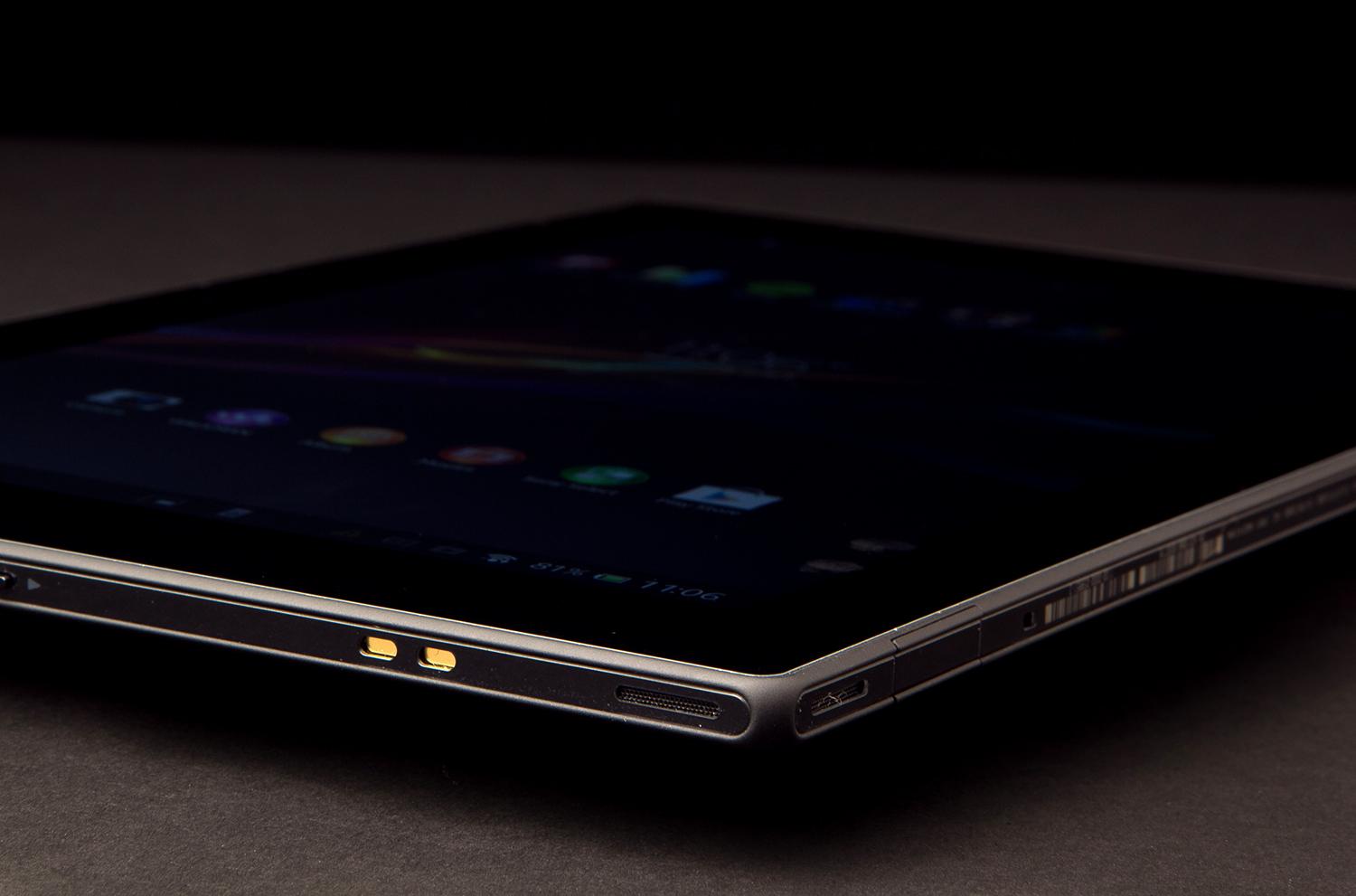
The speakers on the Tablet Z do not match the intensity and clarity of the iPad 3 or 4, but compete well with other Android tablets. Sony has included a few sound filters as well, though we weren’t fond of most of them. Like all tablets, you’re going to need external speakers or headphones to make the most out of sound. We found it loud enough to comfortably watch Netflix in bed and listen to Spotify in the kitchen. What else can you ask for?
Finally, the Tablet Z has a secret mutant power. Like the Xperia Z, it is water and dust resistant, meaning you can submerge it in your bathtub (or accidentally drop it in the pool) for up to 30 minutes.
Good looking interface, but dated
We love the design and feel of the Tablet Z, but when you turn it on, it does still run Android. And, sadly, that does come with some issues and limitations, when compared to iOS on the iPad.
Sony has done a commendable job customizing the user interface of Android 4.1 Jelly Bean. It looks a little smoother than Google’s default version, and it has a fairly consistent style across the board. We even like the improved keyboard, which doesn’t add functionality but somehow feels more comfortable than Google’s drab QWERTY.


The downside here is that Sony hasn’t upgraded the Tablet Z to Android 4.2. Though it didn’t add much functionality, Android 4.2 did majorly update Android’s tablet interface to feel and act almost exactly like it does on phones (just bigger). Eliminating the clumsy clock menu on the lower right and adding pull down notification menus was a great decision that we applauded when we reviewed the Nexus 10. The update would add an iPad-like home-row of app icons as well.
Sony’s exclusive apps are pretty good, but only if you’re willing to enter an all-Sony media environment. There’s a Sony Reader e-books app, Music Unlimited, Video Unlimited, and a number of other apps. We also like the TV remote app that lets you connect up to any TV, making the tablet a good universal remote.
Speedy for an Android tablet, but still a little clunky
Want to know what $500 will get you these days? The Tablet Z has a 10.1-inch TFT LCD screen with a resolution of 1920 x 1200 pixels, 2GB of RAM, a 1.5GHz quad-core Qualcomm Snapdragon S4 Pro processor (APQ8064+MDM9215M), 16GB of internal storage (with microSD slot if you need more), an 8.1-megapixel rear camera, and a 2.2-megapixel webcam. We also like the addition of Infrared for TV remote controlling, HDMI via MHL support, NFC, Bluetooth 4.1, an audio jack, Micro USB charging, DLNA support, GPS, and your typical array of sensors and gyros. Our unit connected to the net via Wi-Fi.
We experienced some sluggishness when trying to multitask quickly.
Camera
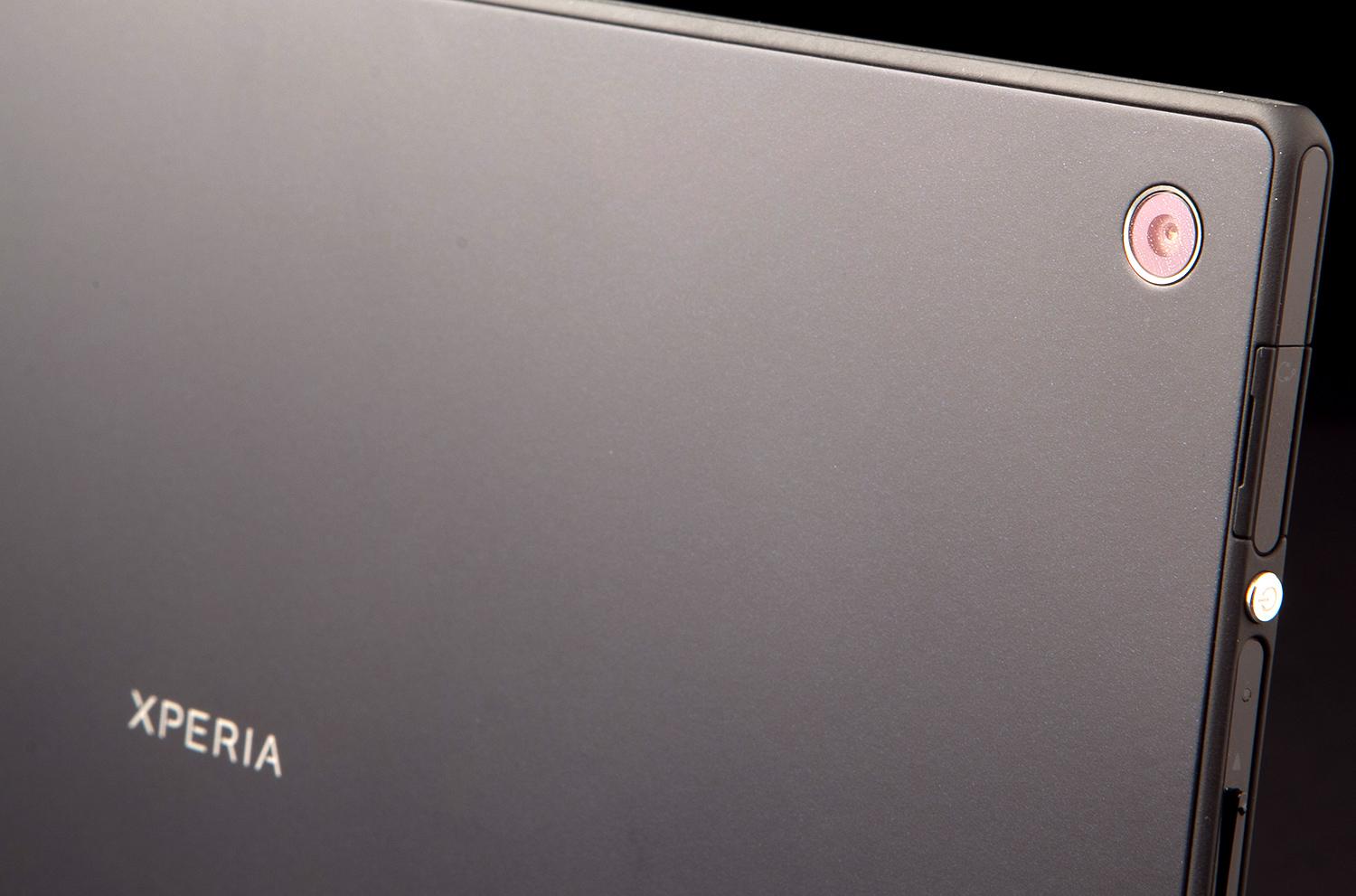
Don’t let the numbers on the camera fool you. 8.1-megapixels isn’t enough to make the rear camera on the Tablet Z worthwhile. Like almost all tablets (the iPad being somewhat of an exception), the Z’s rear camera is slow and, well, lame. Our low light shots came out very grainy. Outdoor shots were all right, but still didn’t impress on detail. The shutter speed could be improved, greatly. Rear camera performance is almost a non-issue though, in our opinions. If you’re buying your next tablet for its camera prowess, you may want to get your head out of the clouds.
Battery life
I have no battery life awards to give to the Tablet Z. It has a modest 6,000mAh lithium polymer battery inside it and promises about 10 hours of video playback or 8 hours of Wi-Fi Web browsing. Using it, we didn’t have a problem with it running out of juice too fast, despite the fact that the iPad 4 has an 11,560mAh battery and the Nexus 10 clocks in at 9,000mAh. Both of these tablets do have higher resolution screens, which likely suck up more juice. If battery becomes an issue, Sony has included ‘Stamina’ mode, which lets you shut all, or some, apps off whenever the tablet is idling. The flexibility is nice.
Conclusion
The Sony Xperia Tablet Z is the most impressive Android tablet we’ve ever held and a strong competitor to the Nexus 10, Surface RT, and iPad 4. It’s as light and thin as we’ve hoped tablets could be, but doesn’t sacrifice battery life or power. And did we mention that it’s waterproof? The only downside is the interface, which hasn’t gotten an Android 4.2 makeover yet, and remains somewhat complicated. An update could fix this, and we hope Sony is planning one, because the overall performance is still a little clunky here and there, despite a powerful processor and specs.
For $500, it’s $100 more than the Nexus 10 and we’re not so sure the elegant design will be worth a 25 percent price increase. And, as much as we want to see a tablet outperform the iPad, this isn’t the one. Android’s tablet apps aren’t plentiful enough yet and Apple’s tablet is still easier to use and, frankly, faster. Having said all that, the Sony Xperia Tablet Z is one of the best Android tablets we’ve ever used, and would be a great choice for anyone looking to buy an Android tablet.
Highs
- Incredibly thin and light
- Vibrant, high-resolution screen
- Comfortable to hold
- Powerful processor & specs
- MicroSD for more storage
- Water and dust resistant
Lows
- Runs older version of Android
- Google Play store lacks tablet app selection of iPad
- Interface can lag a little
- $100 more expensive than Nexus 10


