
Apple is finally kicking off the transition of Mac computers to its own ARM-based processors, starting with the new MacBook Air, MacBook Pro, and Mac Mini. All three feature Apple’s new M1 chip, which has eight cores, a relatively powerful integrated GPU, and more. It is, effectively, a beefed-up and tweaked iPad chipset.
Now that the entry-level $999 MacBook Air has an ARM-based processor, you might be wondering whether it blurs the line further between the Mac and the iPad. And it does, considering ARM-based Macs support iOS apps, and the pricing of the Air is similar to a 12.9-inch iPad Pro. But it doesn’t blur the line that much yet — and if you’re looking for a futuristic, touch-enabled, versatile computing experience, the iPad (specifically the iPad Air or the iPad Pro) is still the way to go.
The future isn’t here yet
When Apple first announced the transition to Apple Silicon for the Mac lineup, people were excited. And it makes sense. Speculation was that this would lead Macs down the road to having more iPad-like features. That Macs would finally get a touchscreen. Or that they would get 5G connectivity. Or offer Face ID. What about slimmer form factors and new hinge designs?
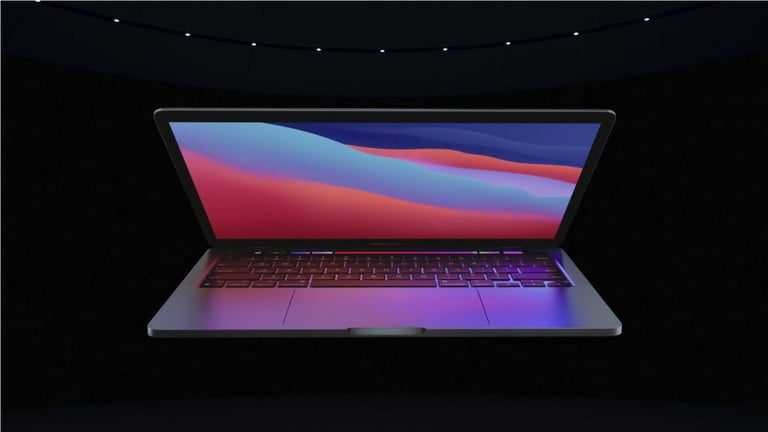
After Apple’s “One More Thing” event, those questions still remain. In one sense, Apple is acting quickly, bringing the M1 chip to three of its most popular Macs in order to jump-start the transition to a new platform. There was no new revolutionary MacBook as some had predicted.
The potential futuristic advantages of ARM-based Macs have yet to arrive. The dream of a slim, always-connected MacBook with a touchscreen is still to come. Instead of radically changing the designs and features of the Macs with the new chip, Apple has simply slapped the new chip in the existing body (except in the case of the Mac Mini, where it actually removed ports).
Now, that’s not necessarily a bad thing. Developers still need time to build native apps for ARM-based Macs, even though these new Macs can still run apps made for the older x86 architecture in the meantime. It’s possible, and even likely, that once the Mac lineup has fully transitioned to ARM, Apple will bring more modern features to it. But we aren’t there yet. We’re not even close. We’re still looking at “old” Macs in most respects.
Introducing the iPad
You don’t need to wait for a future Mac model to get a great, modern Apple computing experience. If you’re not a pro user that needs access to apps like Logic Pro or Final Cut Pro, consider the iPad.
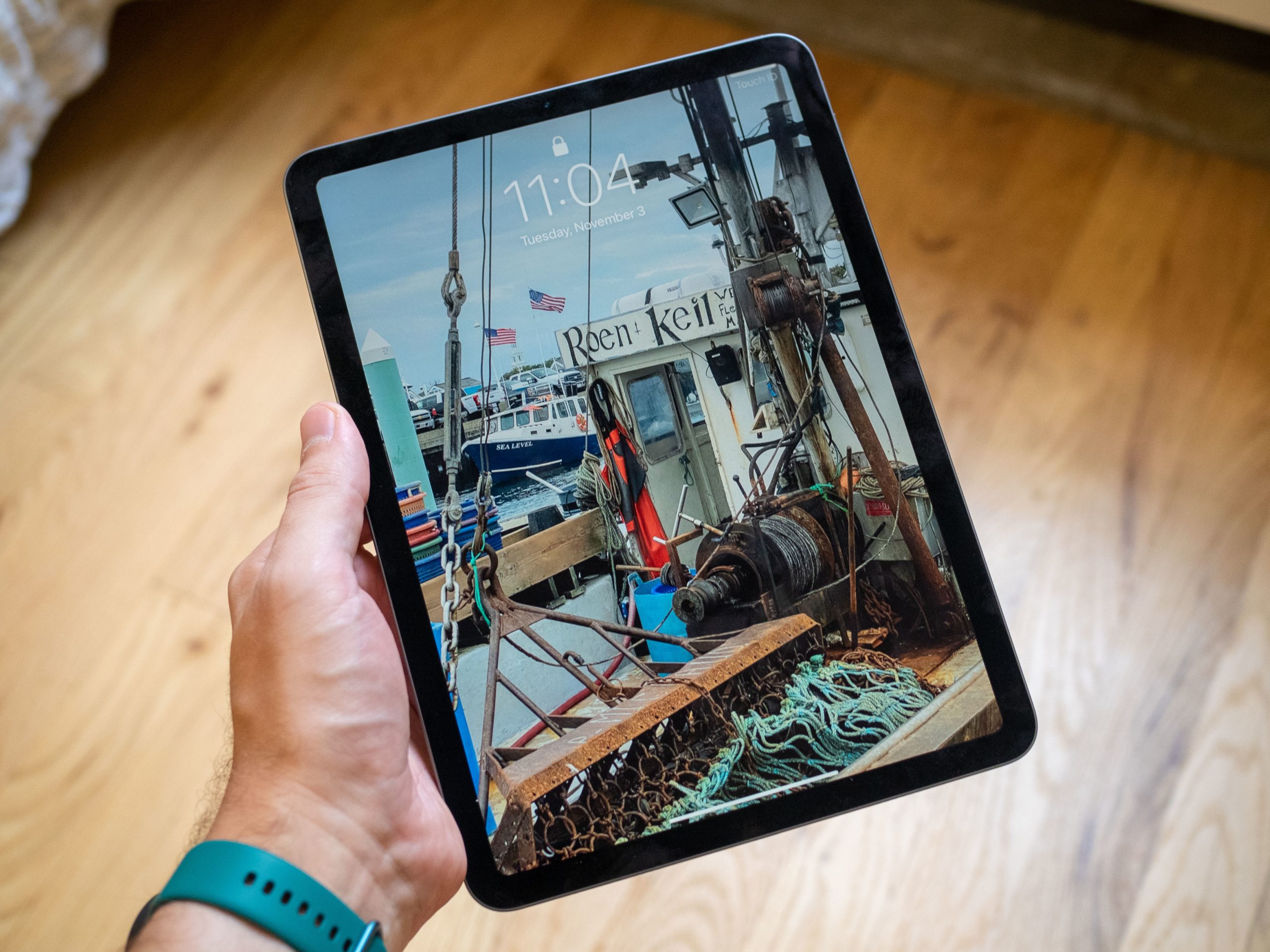
I’ve written about my switch from a MacBook to an iPad Pro in the past. Want a touch-screen that you can use without a keyboard? Check. A desktop-like web-browsing experience? Yep. Stylus support? Only on iPad. A slim form factor and LTE connectivity if you need it? Yes and yes.
It’s expensive, but with the Magic Keyboard, the iPad Air is an email-responding, article-writing, photo-editing, web-browsing machine. And, when you want to play an odd game or two, or watch a movie in bed, simply use it as an iPad — something you can’t do with any MacBook yet.
Blurring the lines
The best is yet to come with Apple’s ARM-based Macs. If you were expecting radical changes to the Mac this year, you’re likely a little disappointed. But give it a year or two, and we’ll likely get there. And at that time, we’ll revisit the idea that a new ultraportable MacBook could obviate the need for an iPad Pro.
Until then, the blurring of the line comes less from the MacBook getting mobile-like features, and more from the iPad getting computer-like features.


