
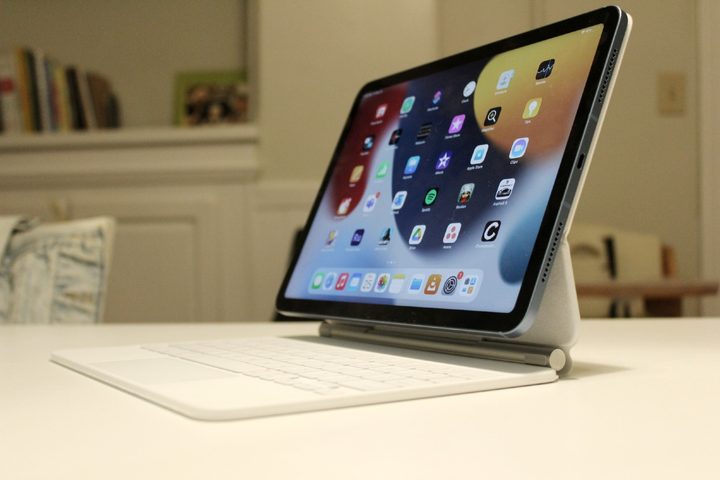
It seems like the countdown to the next iPad reveal has been stretched out a bit more, though not by an earth-shattering amount of time. So far, we’ve heard rumors of a late March or early April reveal, but that likely won’t happen, according to a new report from Apple insider Mark Gurman.
In his latest Bloomberg report, Gurman says the next Apple tablets should arrive in early May, and he cited the speeding up of production at Apple’s suppliers. Interestingly, production-related challenges apparently pushed back the launch of the new slates across the Pro and Air lineups.
“Apple had planned to release the new iPads by the end of March or early April, but the company has been working to finish software for the devices,” says the report. “The screens in the latest models also require complex new manufacturing techniques, which have contributed to the delay.”
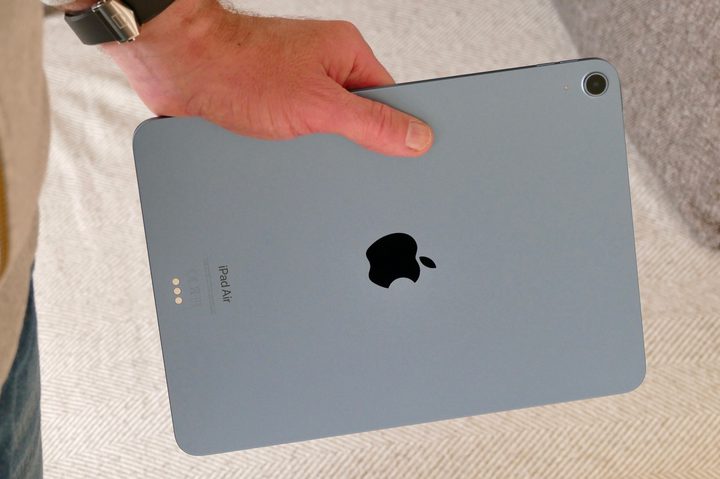
All four iPad trims will rely on the new M3 silicon, which already powers a handful of Mac machines. The biggest change, however, is reserved for the iPad Air, which has only been sold in a single size. This year, Apple is reportedly planning a 12.9-inch version of the tablet.
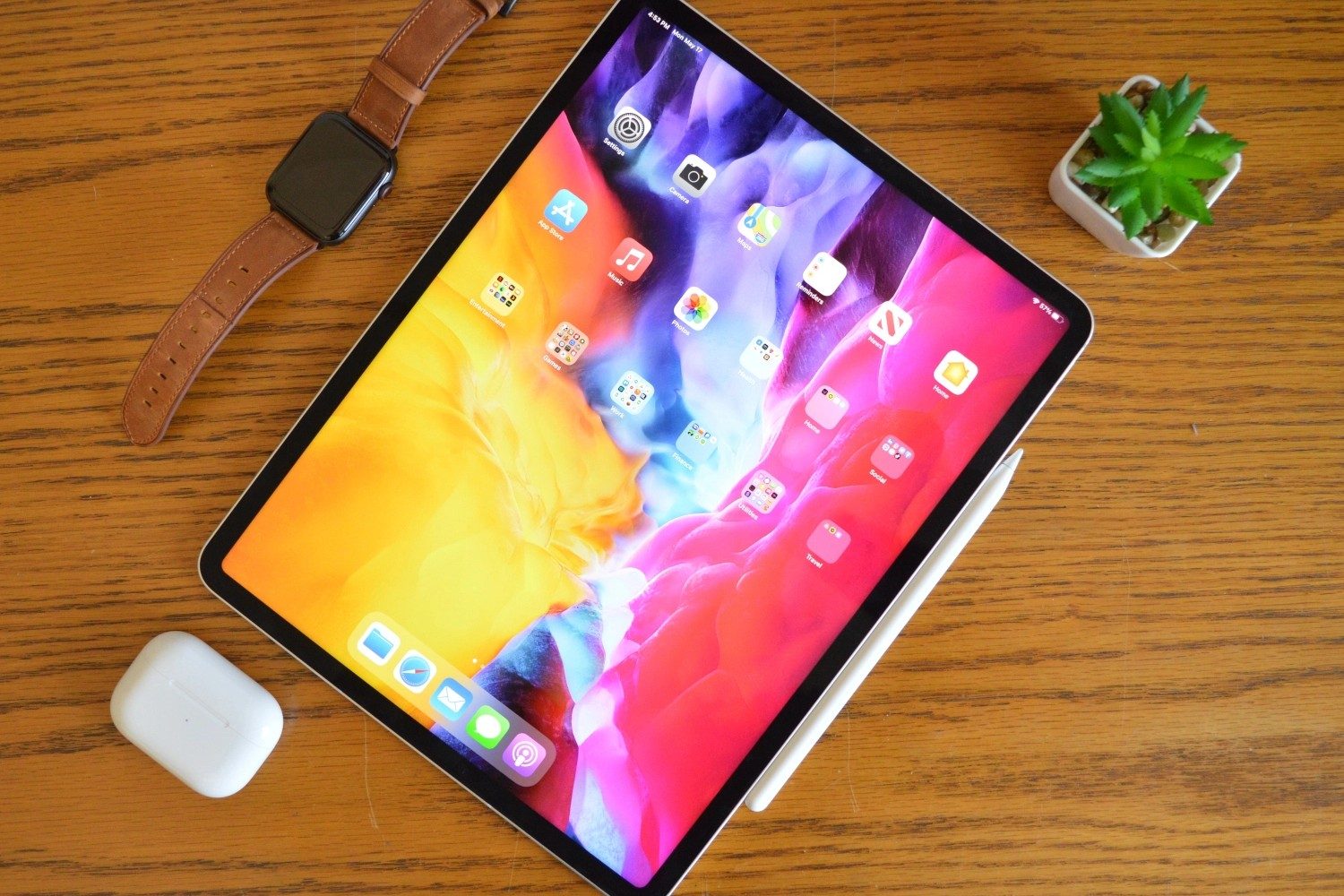
On the premium side of things, the iPad Pro models will be getting an OLED display upgrade, but it’s unclear if the treatment will only be reserved for the large-screen variant or if it will make way to the 11-inch model, as well.
Apple has armed the 12.9-inch iPad Pro with a mini-LED screen, while the smaller sibling is still locked to an LCD panel. We are not sure if a design revision is also in the pipeline, but new keyboard accessories that make the keyboard + iPad combo look more like a Mac are said to be on the table.
But what I am most excited about is the software and how the new M3 silicon handles AI, which Apple is exploring quite seriously. It is even said to be pondering a Gemini Nano licensing deal with Google. Apple has already confirmed that the M3 silicon is capable of running a few language models and tasks like Stable Diffusion-driven image creation locally.
The M3 silicon comes with extra AI-related bells and whistles. I recently got my hands on the M3 MacBook Air and saw a notable jump in AI performance. I ran a Python script applying a machine learning method known as Multi-layer Perceptron (MLP) regression to estimate red wine quality from specific characteristics provided as training data.
This involved training and testing the model, with configuration managed through the “tanh” activation function and the “sgd” (Stochastic Gradient Descent) solver. The goal was to forecast wine quality, with performance measured by execution speed. Here, the M3 chip was 20% faster than the M2.
I also explored native image segmentation and generation, utilizing the K-means clustering algorithm within an unsupervised learning framework. This phase entailed inputting an image to segment it into clusters based on pixel color differences, then transforming it into a 2D RGB pixel array for clustering.
A price hike is likely,
The approach hinges on color similarity to generate a new, segmented image. In this task, the M3-equipped MacBook Air outperformed its M2 counterpart by over 22% in terms of processing speed. I am hoping native text-to-image generation or generative AI-assisted editing in apps like Photoshop would be much faster on the M3 iPads.
Since the RAM and storage situation across the iPad Pro and MacBook Air is similar, at least on the entry-level configurations, we can realistically expect to see similar gains — or at least new on-device AI-driven experiences on the upcoming iPad Pro models. However, I am also a bit spooked at the possibility of a price hike this year with all the rumored upgrades coming into the picture.


