1. Home
  2. Tablets
  3. Computing
  4. Mobile
  5. Legacy Archives

E-reader ownership explodes past tablets, says Pew

Add as a preferred source on Google
amazon_kindle_2
Image used with permission by copyright holder

Forget paperbacks: The number of people who own e-readers has skyrocketed to more than double what it was only six months ago, according to a recently published study by the Pew Internet & American Life Project. Tablets have also become more popular, the study shows, but more slowly than its more moderately featured brethren.

Between November 2010 and May of this year, the percentage of adults in the United States who own any type of e-reader, like Amazon’s Kindle devices or Barnes and Noble’s Nook readers, has grown from 6 percent to 12 percent. This represents the first time e-reader ownership has entered in to double-digit percentages since Pew began surveying for these types of devices in April 2009.

Recommended Videos

Tablets, like Apple’s iPad 2 or the Motorola Xoom, are on the way up, as well, but not as drastically as e-readers. In fact, the growth is almost at a standstill: Pew has seen a mere 3 percent increase in tablet ownership since November 2010, from 5 percent to 8 percent in May. Since January, the tablet sector has only grown by 1 percent. Not only that, but the tablet market already seems to be slowing down.

The study shows that there is”notable overlap” in e-reader and tablet ownership, says Pew: Of the 12 percent that own e-readers, about 3 percent also own a tablet computer.

Pew also found tablet adoption numbers are lower than that of any device; e-reader ownership is the second lowest. On top is, not surprisingly, cell phones, which are owned by a whopping 83 percent of the US adult population. This is followed by desktops (57 percent), laptops (56 pecent), DVR devices (52 percent) and MP3 players (44 percent).

So while we may in fact be headed into the “post-PC” era, these numbers show that we are quite far from fully arriving at that destination.

Andrew Couts
Features Editor for Digital Trends, Andrew Couts covers a wide swath of consumer technology topics, with particular focus on…
Apple’s foldable iPad could meet the same fate as Microsoft’s doomed Surface Neo
The foldable iPad could stay an experiment, not a product
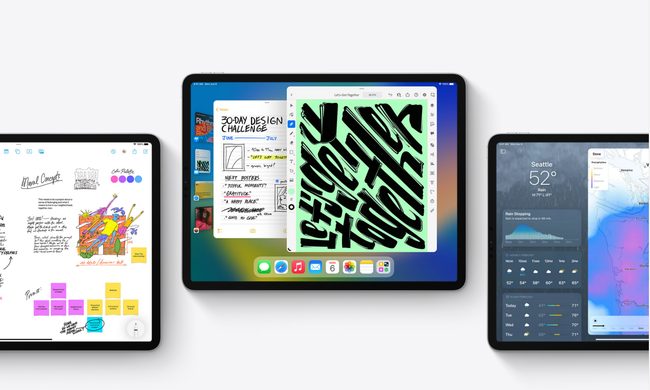
iPads with iPadOS 16.

Apple is exploring a massive foldable iPad, but this could be one of those projects that looks better on a roadmap than in a retail box.

According to a new report from Bloomberg, Apple has been working on a roughly 20-inch foldable iPad, a project that has reportedly been a priority for incoming CEO John Ternus. While it sounds like one of the company's most ambitious hardware bets in years on paper, it may never really hit the store shelves.

Read more
Next iPad could ditch traditional naming as Apple rethinks its lineup
Apple could make choosing an iPad less confusing for you
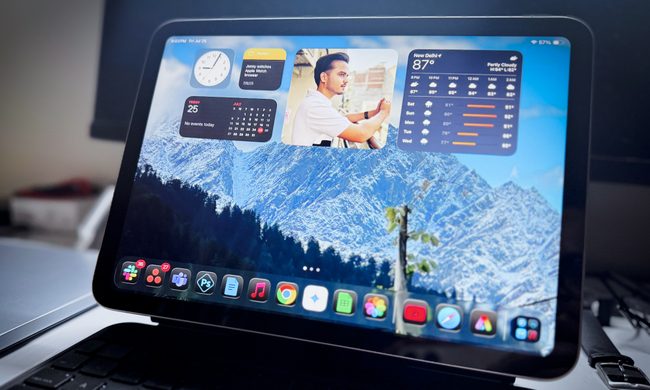
Home screen of iPad running iPadOS 26.

A subtle but potentially significant shift may be coming to the iPad lineup, and it has less to do with hardware and more to do with identity. In a recent interview with John Ternus and Greg Joswiak from Tom’s Guide, the company could rethink how it names future iPads - moving away from the familiar generation-based system.

A Naming Reset That Signals A Bigger Strategy Shift

Read more
Why I chose the Supernote Nomad over other e-ink tablets
The Supernote Nomad is the e-ink tablet I did not know I needed, and now I cannot put it down.
Supernote Nomad in hand

Supernote Nomad has become my favorite purchase of the last year, and believe me, the decision to buy it was not easy. I didn’t realize that the e-ink tablet landscape had become so vast, and all the tablets I looked at had at least a few compromises that were a deal breaker for me. 

Finally, after comparing and cutting out at least half a dozen e-ink tablets from my list, I settled on the Supernote Nomad. Yes, it also has some drawbacks, but there were five main reasons I settled on it. 

Read more