
The new iPad Pro may not boast a radical design change, and the 11-inch model doesn’t even have the Liquid Retina XDR display on offer by the larger 12.9-inch model, but both have an upgrade that could hint at Apple’s goals for the iPad in general — the inclusion of an M1 chip.
That’s the same M1 chip that can be found in all of Apple’s newest Macs, from power-sipping MacBooks to the new iMac and Mac Mini. It’s a powerful chip, and continues to prove that Apple sees the iPad Pro as a laptop replacement for certain audiences.
There’s only one problem with that, though. While iPadOS is a solid operating system, it just can’t take advantage of the computing power on offer by the M1 chip yet. Nor can a vast majority of the apps that run on the iPad. The new iPad Pro is far and away the most powerful iPad ever released, but previous-generation models were already more than powerful enough to handle everything users could throw at them.
An M1-powered iPad Pro deserves more.
Apps, apps, apps
There’s an app for that. Unless, the app you’re looking for is a desktop-class video or audio editor. Or, a console-quality video game — though that has less to do with processing power and more to do with Apple’s tight-gripped approach to the App Store.
The key to truly taking advantage of the new iPad’s processing power may lie less in the operating system itself, and more in the apps available to it. Users have been asking for Logic Pro and Final Cut Pro on the iPad for years now, and while the iPad does have the stripped-back Logic Pro Remote, it’s far from a desktop-class recording experience. Users should be able to close a Logic Pro project or Final Cut library on their Mac, and open it up on their iPad.

Now, I get that it’s a little more complicated than that. Both of these apps support third-party plug-ins, and that can complicate things when it comes to migrating a session. But it doesn’t need to be more complicated than it already is to migrate sessions to another computer.
Of course, this has been rumored to be on the way for a while now, at least when it comes to first-party apps. Apple could easily, and likely will, bring both Final Cut Pro and Logic Pro to the iPad in the near future.
Other apps may take more time, but Apple has been pushing them. The truth is that by transitioning over to ARM-based processors on the Mac, it’s a whole lot easier for developers to bring their apps to the iPad, too. Apple also makes it easier through developer tools that allow developers to release their apps to the iOS App Store as well as the Mac App Store.
A more versatile operating system
While a slate of desktop-class apps could make the iPad Pro experience much more of a laptop replacement for professionals, for everyone else, it’s likely more about improving the tools on offer by the operating system itself.
When Apple announced iPadOS as an offshoot from iOS, it signaled that the company would start taking the iPad’s unique needs and power more seriously. And, to be clear, it has been doing so. Thanks to tools like Slideover and Split Screen, as long as you take a few minutes to learn how to take advantage of them, the iPad offers plenty of excellent multitasking and productivity tools. Mouse support and the slew of great accessories, including the Apple Pencil, only add to that overall experience.
 Of course, it could get better. As I noted before, iPadOS doesn’t even stress the current iPad Pros — let alone dramatically more powerful 2021 models.
Apple could add things like true multi-app windowing, simultaneous multiuser support, and the ability to keep the dock always visible. Some of these things are more important than others — for example, not everyone wants an always-visible dock, and most people don’t need it. But they all contribute to an operating system that can actually replace a laptop for productivity — and not a system that you have to bend over backwards to use like a laptop.
At some point we should expect the iPad Pro to work like a MacBook — not bend over backwards forcing it.
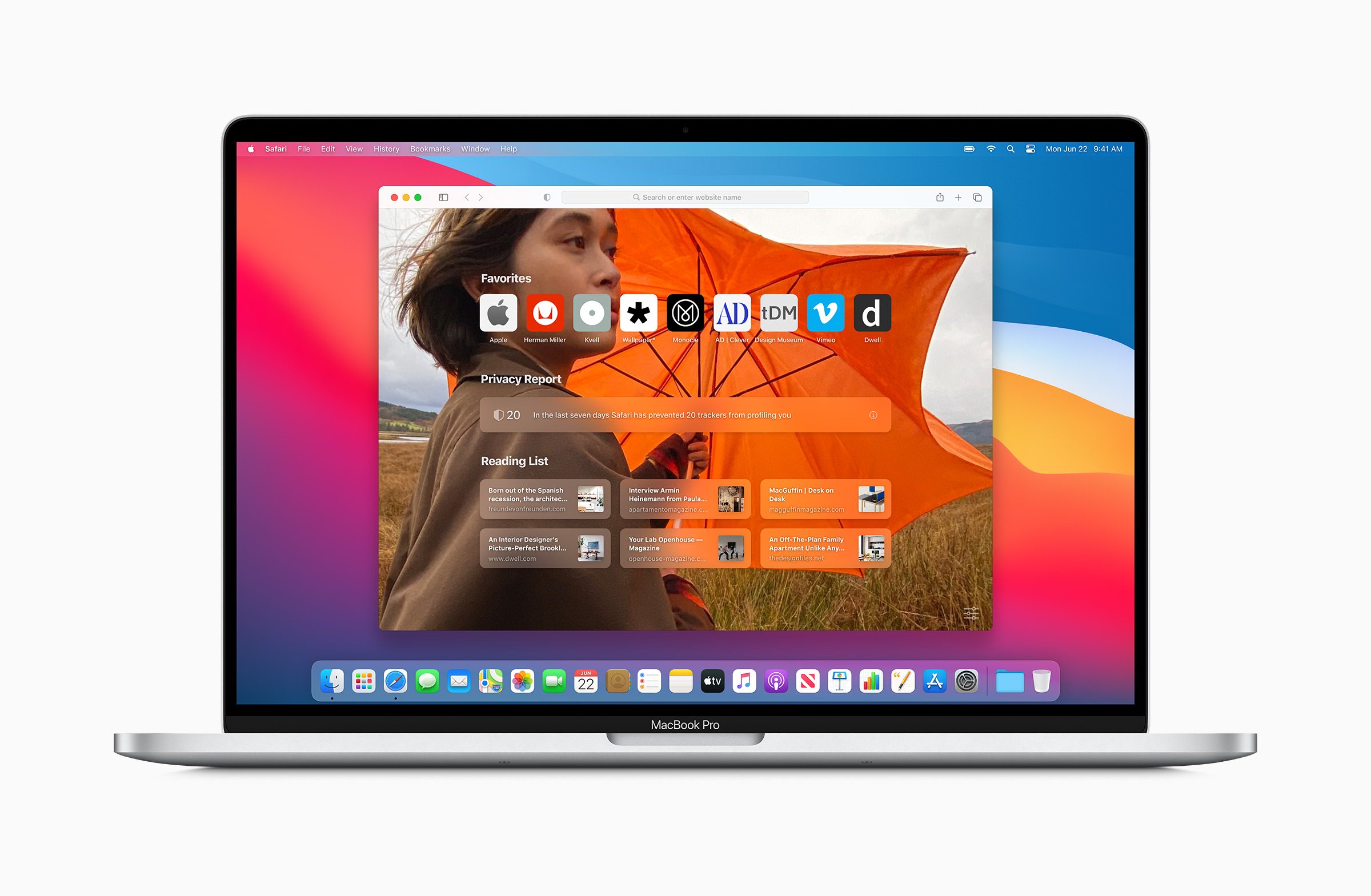
There’s another route that Apple could take. Just bring MacOS to the iPad. Allow people to take advantage of an actual desktop operating system that has been developed and refined for decades. Signs point to Apple doing just that — like the fact that MacOS Big Sur takes a lot of design cues from iOS, and seems to look like it could eventually support touch. I tend to think that the convergence between iPadOS and MacOS, if it happens, is at least a couple years away — but would love to be proven otherwise.
And if it were to happen, it would likely only be on the top-tier iPads that have an M1 chip or later. But here we are, with an iPad Pro that has the exact same chip powering it as the latest MacBook Pro.
The future is bright
Frankly, I think we’re headed for a much more powerful iPadOS, but in classic Apple fashion, it may take some time. Apple has been criticized for not releasing touchscreen Macs for years now, and it seems unlikely that the company would give in to that pressure and just release a MacBook Air with a touch display. Instead, it seems intent on bringing the iPad, or at least the Pro models, up to the Mac’s level. Hopefully, that happens in earnest soon.


