All the world has its eyes on Ukraine right now as Russia continues its invasion of the country. We’re discovering plenty of admirable qualities of the oft-overlooked nation. While its snarky grandmothers have become legendary, what may not be making it into the spotlight is Ukraine’s long history of innovation. Despite decades of Soviet oppression, Ukrainian-born scientists, inventors, and engineers have made huge contributions to the products many of use and love today. As the country continues to be under threat, it’s worth stopping to appreciate some of the little-known advances its people have gifted the world.
High-capacity hard drives
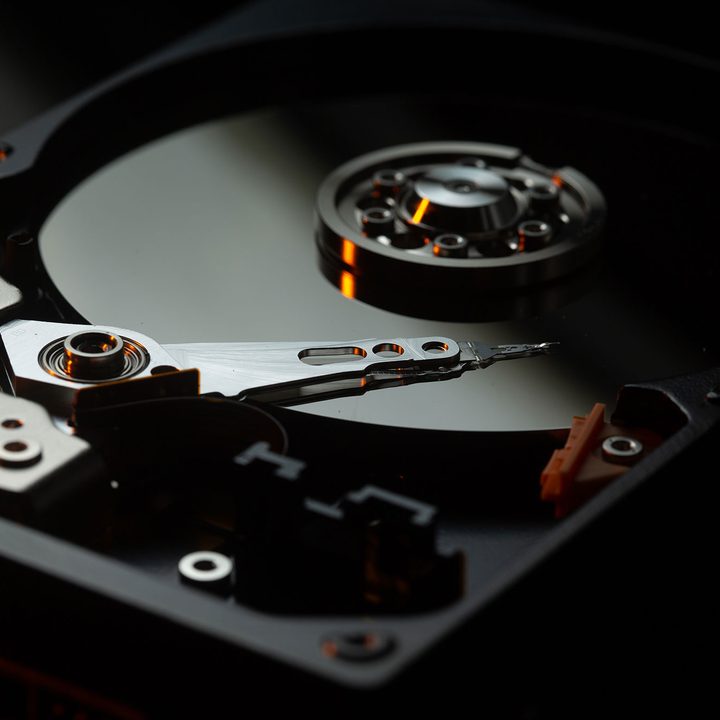
Lubomyr Romankiw grew up in Zhovkva, a western Ukrainian city just north of Lviv. He fled to Canada at the beginning of Soviet rule and earned his degree in Alberta, followed by a masters and Ph.D. from the Massachusetts Institute of Technology. From there, he went to work at IBM and secured more than 65 patents, many of which helped set the foundation for modern computing.
Among them was the patent for the magnetic head, which Romankiw co-authored with David Thompson in 1979. This technology exponentially improved both storage capacity and read-write speeds compared to the rudimentary magnetic storage devices at the time. Ultimately, IBM sold hard drives built with Romankiw’s technology to Steve Wozniak, paving the way for Apple to create its first personal computer.
Transistors
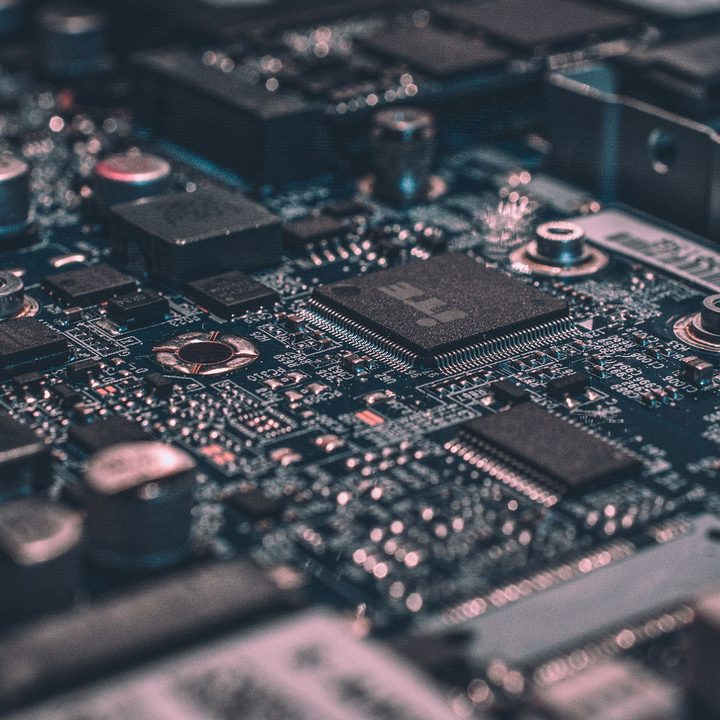
Transistors are core necessities for modern computing. Manufacturers have been able to miniaturize them more and more in order to cram ever-increasing processing power into our phones, computers, and everyday appliances. A trio of American engineers often get the credit for inventing the modern field-effect transistor, but it was actually Lviv-born Julius Lilienfeld who filed the first patent for it. Lilienfeld studied under revered physicist Max Planck, but kept a relatively low profile throughout his career. In fact, there’s little evidence that he tried to physically engineer the transistor he had designed on paper, leaving it instead to future innovators to implement and improve upon.
Piezo motors
Viacheslav Lavrinenko of the Igor Sikorsky Kyiv Polytechnic Institute developed the first practical piezo motor in 1964. These motors were able to translate electrical current into mechanical energy with over 90% efficiency. This fundamental technology has seen wide application, from camera focus systems, to mobile prosthetics, to particle accelerators, to computer disk drives. Anywhere that fine, rotating mechanical action is required, odds are you’ll find a piezo motor.
Arc welding
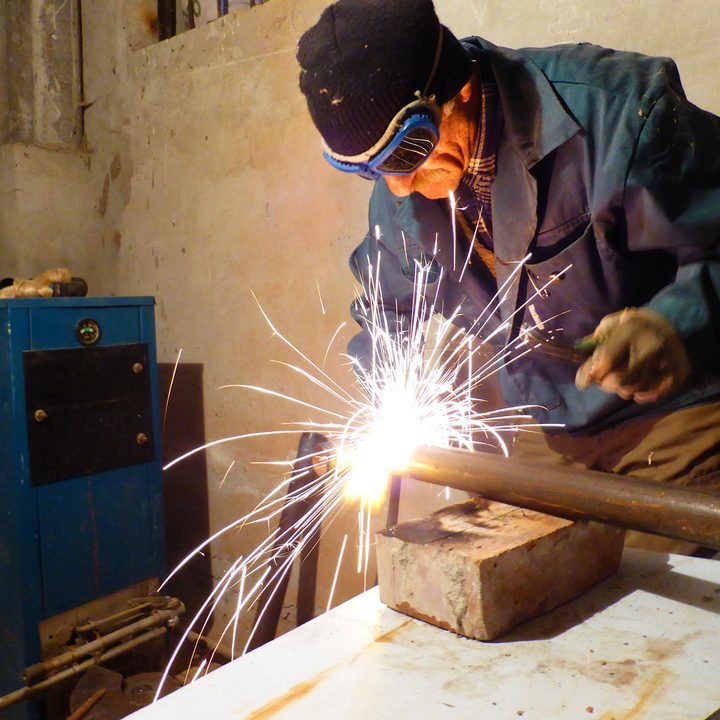
In 1803, Vasily Petrov of Kharkiv, Ukraine, discovered the the potential to use electrical arcs for lighting and welding materials together. Nearly a hundred years later, Nikolai Benardos of Mostove, Ukraine put that theory into practice and patented what is now a vital necessity for working with steel.
Other Ukrainians later made progress on this front, including Boris Paton’s development of using electric welding for soft organic tissue. Cosmonauts Valeri Kubasov and Georgi Shonin would later take arc welding to space, and test a variety of techniques.
Helicopters
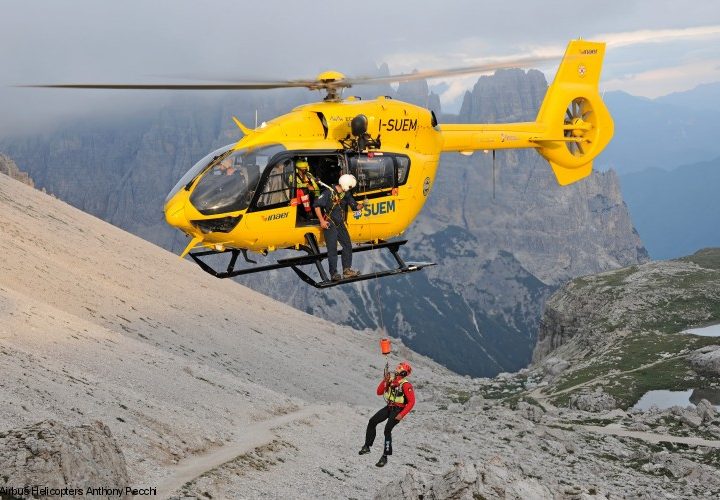
Ukraine has a strong history in aerospace, but the world’s biggest plane isn’t the only star. The Sikorsky R-4, designed by Kiev-born aviation pioneer Igor Sikorsky, was the world’s first production helicopter. It was also the first helicopter used by the U.S. Air Force, Navy, and Coast Guard, and the U.K.’s Air Force and Navy.
Helicopter concepts had been bouncing around since Da Vinci’s days, and spawned several limited test flights. The technology evolved into autogyros, which were very much research prototypes for what would become the modern helicopter. It wasn’t until Sikorsky’s VS-300 that the patents developed at the time were put together into a working aircraft. The VS-300 would ultimately lead to the mass-produced R-4. Prior to the R-4, Sikorski had already developed the world’s first passenger aircraft, the Ilya Muromets.