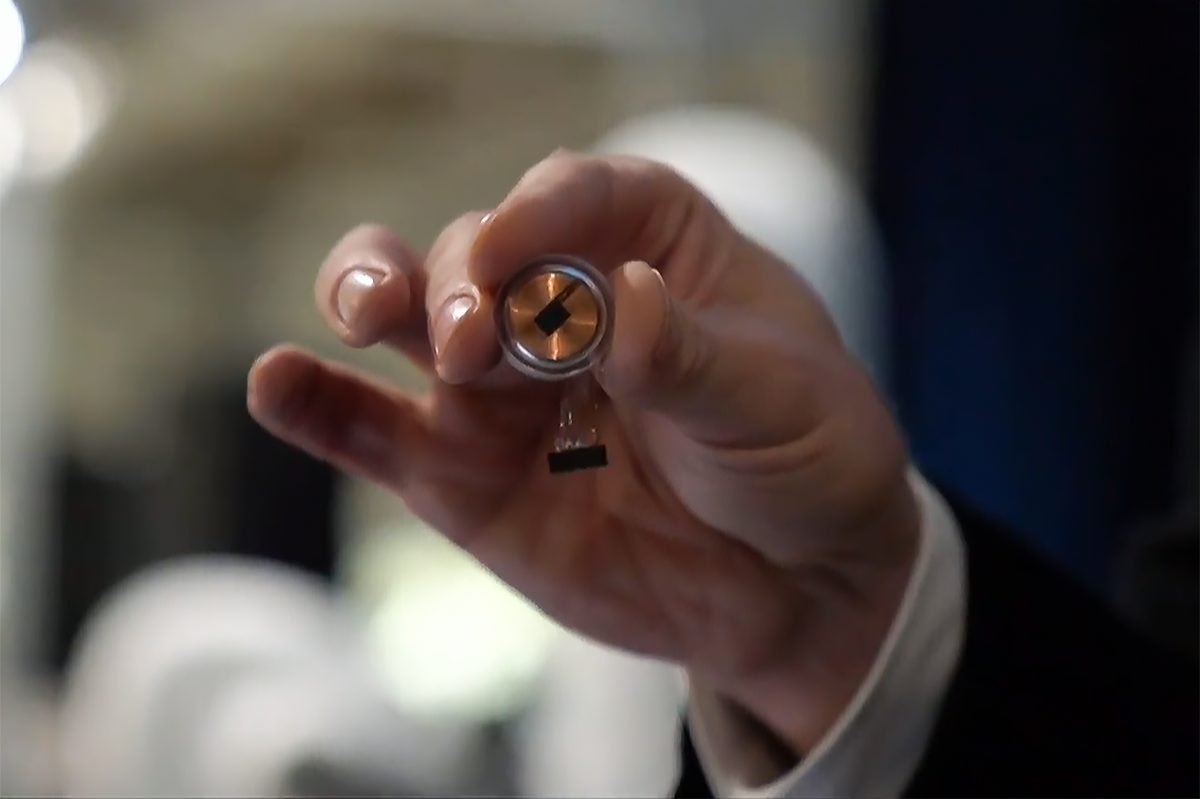
Elon Musk’s ambitious goals for Neuralink were put on display last week in a live demonstration, but neuroscientists are still skeptical about the company’s long-term plans to build a brain-machine interface.
Neuralink is an implant that directly interfaces with a person’s brain, reading signals from the brain, and even altering it to fix problems. Musk said he eventually wants the device to help treat brain disorders and preserve and enhance human brains.
But Dr. John Krakauer, a neuroscience professor and director of the Brain, Learning, Animation, and Movement Lab at The Johns Hopkins School of Medicine, said that we’re nowhere near close to creating Musk’s Black Mirror-like goals of controlling hormone levels and streaming music directly into people’s brains.
“These things are premature in a way because we are so far from that, and yet we are already excited and worried about these things,” he said.
Krakauer is mostly optimistic about Neuralink’s goals, but says there are some ethical questions to be raised in putting brain chips inside people. He said scientists have to think about the long term consequences and risks of a brain chip, like inflammation or infection.
On the other side of the spectrum, there are also ethical concerns when it comes to the cultural implications of a brain chip since Musk said the device would be quite expensive at first.
“Is this going to be something that increases the gap between the rich and the poor, and it becomes equivalent to an incredible nose job?” Krakauer said. “We don’t want to enhance one set of humans and not the rest.”
Like many others, Krakauer watched Friday’s Neuralink presentation and said that at times, he felt that he was watching a Saturday Night Live skit rather than a groundbreaking scientific demonstration.
“We are in the era of ambitious pop star-like billionaires, and we are in an age of techno-futurism,” he said. “We’ve created a situation where the very rich can run the party and try these wild and wacky things.”
However, Krakauer said he is overall excited about Neuralink and personally knows some of the scientists working on it. He said Neuralink could help with engineering and advance the technology, but its presentation so far has given off a much different tone.
“I find it unfortunate that for every piece of real science and advancement, there has to be this massive overselling and propaganda which makes the boring, hard work of science get sidelined,” Krakauer said.
Krakauer is also the chief medical and scientific adviser at MindMaze, a startup that develops medical-grade digital therapeutic products that assess and treat motor and cognitive brain function. MindMaze helps patients who suffer from strokes, Alzheimer’s disease, Parkinson’s disease, and similar neurological conditions with their recovery through digital neuro-rehabilitation.
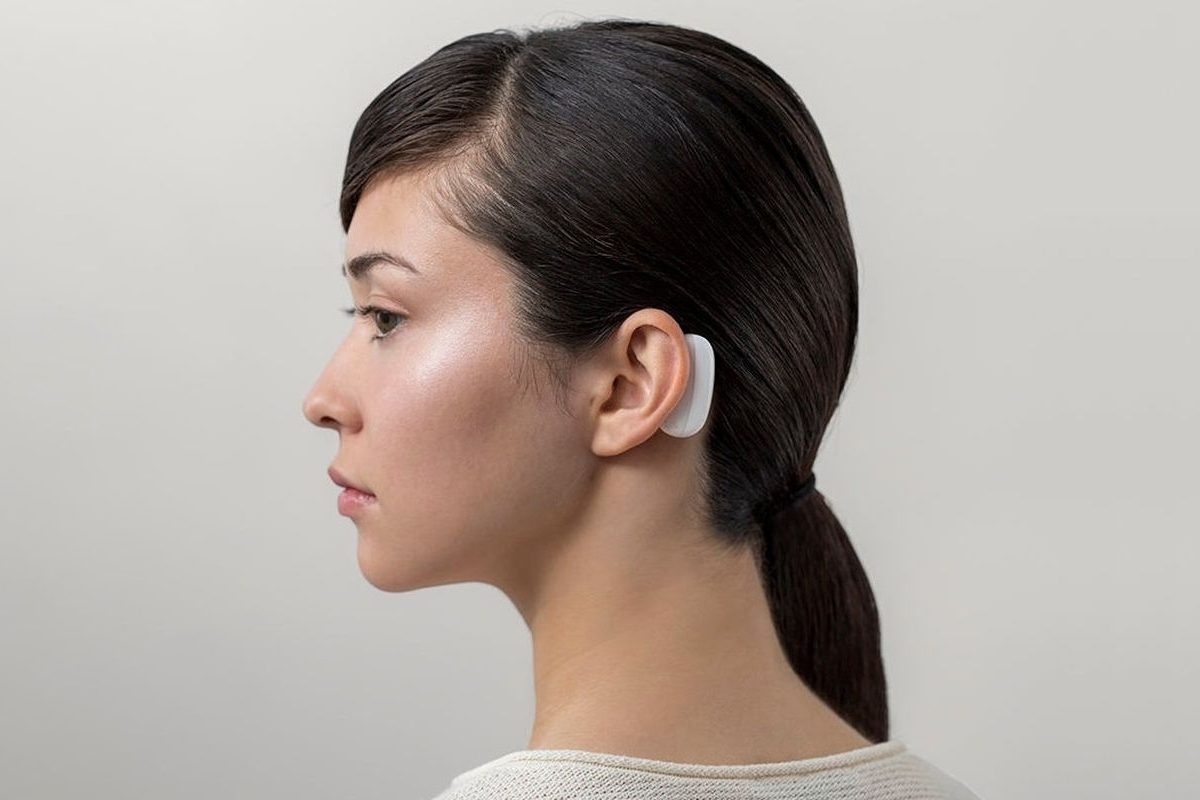
For Krakauer and many others, noninvasive treatments, such as animation-based immersive behavioral experiences for neural restoration and neurorehabilitation, are important to focus on. Krakauer said medical professionals don’t need to physically go into the brain to see significant results that help people.
Krakauer said it’s important to keep in mind that people need immediate help from common disabilities.
“A lot of patients are suffering right now, and there are really interesting things that would help them,” he said. “I’d rather we directly address patient needs right now rather than focus on something that’s more consumer-facing.”