Rumors fly, to paraphrase Virgil, and in times of crisis, they may as well have a Concorde. We’re seeing this play out in the ongoing coronavirus outbreak. Epidemics cause panic, and panicked people are susceptible to manipulation through media. Given that social media has made it easier than ever for people to spread misinformation, intentionally or not, it’s important to keep a critical eye out for fake news. Here’s how to spot misinformation about the coronavirus.
Consider the source


One of the cool-yet-disturbing things about the internet is that anyone can share just about anything they want. When the barrier to entry on platforms like Twitter and Facebook is basically nonexistent, reputable news sources sit in your feeds alongside everything else.
Thankfully, social media platforms have taken steps to curtail misinformation surrounding the coronavirus. Facebook announced that it has a network of “third-party fact-checkers” who will flag false stories about the virus, and that Facebook will remove content that has been denounced by global health organizations. Twitter, meanwhile, presents a link to the Centers for Disease Control (CDC) when you search for “coronavirus.”
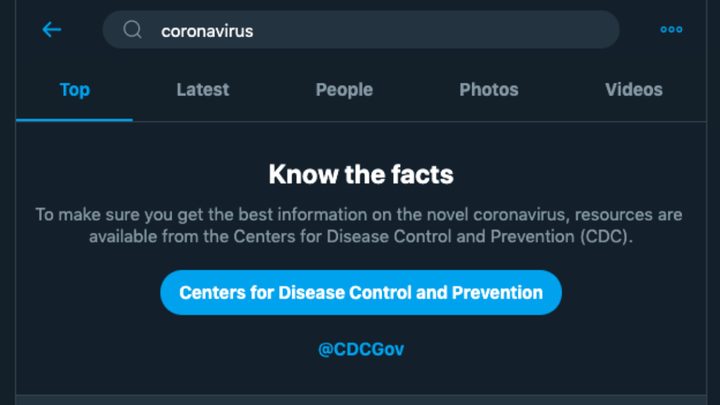
That said, you should still be cautious of anything you see on these platforms. When you see a post or story about the coronavirus, check the source. Is it a publication with an established history in the news industry? Is it an outlet with clear ethical guidelines for reporting? Or is it a website you’ve never heard of? If you’re reading a story on a seemingly sketchy site, does it seem professional, or is it riddled with typos and hysterical claims?
The same goes for individuals: Are they public figures, people who have written for reputable establishments, or just some random person with an anime character as their avatar? That guy on TikTok talking in his car about how Bill Gates engineered the virus may sound convincing, but take a moment to ponder his credentials — or lack thereof.
Dig deeper
In addition, when reading a story, try to check its sources. Even if a story online looks well-written, the author might be citing bad sources. It’s become popular to cite a smattering of Twitter posts as evidence of a trend. When reading about the coronavirus, is the author citing government agencies like the Centers for Disease Control and Prevention (CDC), or just people posting on social media?
In general, the most reliable information will come from public health agencies like the CDC or your state health department. When in doubt, you can always check out their official websites — particularly the CDC’s coronavirus hub.
Be wary of conspiratorial types
Anytime a tragedy occurs, you can bet someone will spin a conspiracy theory about it. Case in point: The idea that this outbreak is a Chinese biological weapon experiment run amok. It’s a cool idea for a movie, but as a news story, it’s poorly sourced, as Foreign Policy explains. Conspiracy theories offer a sense of order and someone to blame for tragedies, but contagious diseases have been around much longer than the Illuminati; barring concrete evidence, there’s no reason to think this outbreak was man-made.
Don’t let images and headlines tell the whole story
A picture may be worth a thousand words, but that doesn’t mean they are truthful. Images of Chinese officials in hazmat suits or crowds of people wearing face masks illicit a strong emotional reaction, and people peddling misinformation would prefer you be in such a state: Emotional appeals are great for manipulating a reader’s brain. The same goes for hyperbole, like this (very much fake) image that made the rounds on social media.

The dramatic image of a man in a hazmat suit pairs nicely with the wild headline, which alleges that the virus has killed 112,000 people already. It’s a staggering number, much higher than the actual number of confirmed cases, which is currently a little over 6,000 worldwide, with 132 deaths, according to the World Health Organization update posted on Wednesday.
Remember: Snake oil never goes out of style
For a certain brand of shady individual, a crisis is the best time to make a quick buck. When the plague comes a-knocking, people want a cure, so it’s not surprising that there are people online advocating products like Miracle Mineral Solution, which the Food and Drug Administration notes is essentially just bleach. Note that drinking bleach will not cure what ails you, but will lead to health complications. Despite advances in medical technology over the years, snake oil remains as useless but marketable as ever.