Apple is accelerating work on its long-rumored smart glasses, and new reporting suggests the device is shaping up to be one of the company’s most ambitious entries in the personal AI era. Early prototypes point toward a premium, fashion-oriented wearable that blends compact hardware, advanced imaging capabilities and Apple’s upcoming generation of AI features.
Apple tests dual-camera smart glasses with a luxury-forward design
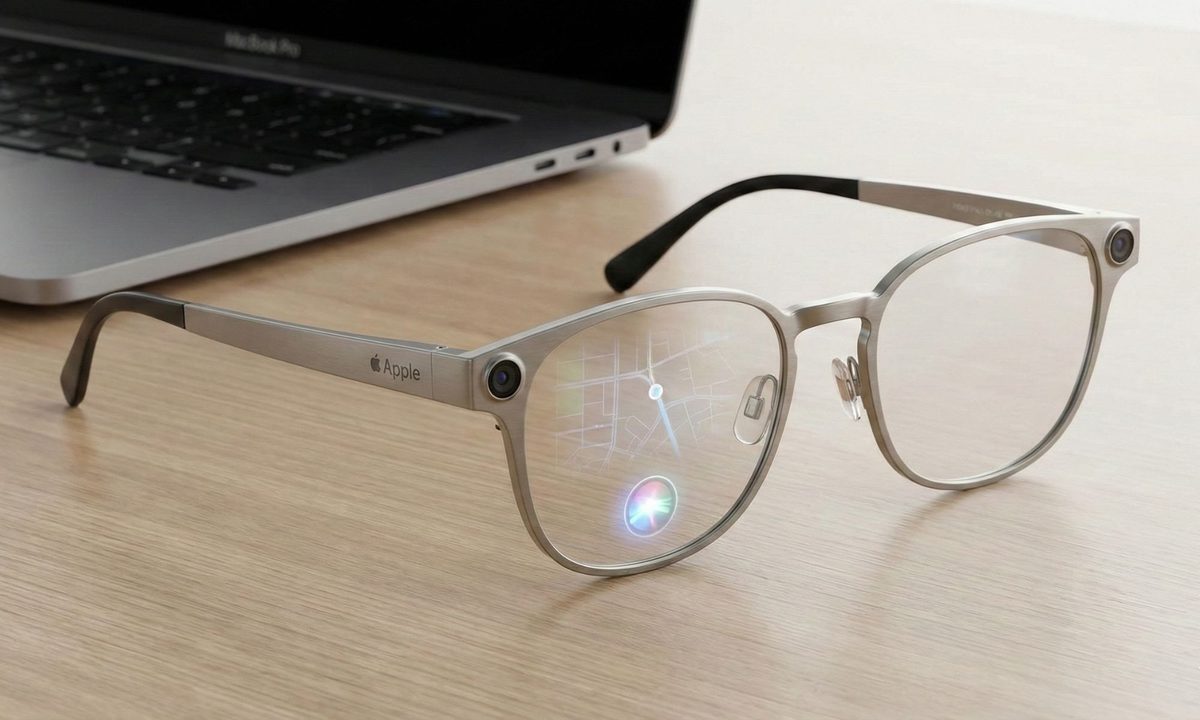
According to details shared with Bloomberg, Apple’s smart glasses are now in an advanced prototyping phase. The most striking development is the inclusion of dual cameras, a feature rarely seen in consumer eyewear. These cameras are expected to support depth perception, environmental scanning and real-world understanding – crucial for Apple’s next wave of AI-driven features that rely heavily on visual context.
The design itself leans toward a luxury eyewear aesthetic rather than a tech-heavy headset. Apple is reportedly testing multiple frame styles, including metal and glass combinations, with finishes that echo the premium sensibilities of its high-end Apple Watch models. Rather than positioning the glasses as an alternative to the Vision Pro, Apple sees them as a lightweight, all-day wearable that brings AI into everyday life without the bulk of mixed reality gear.
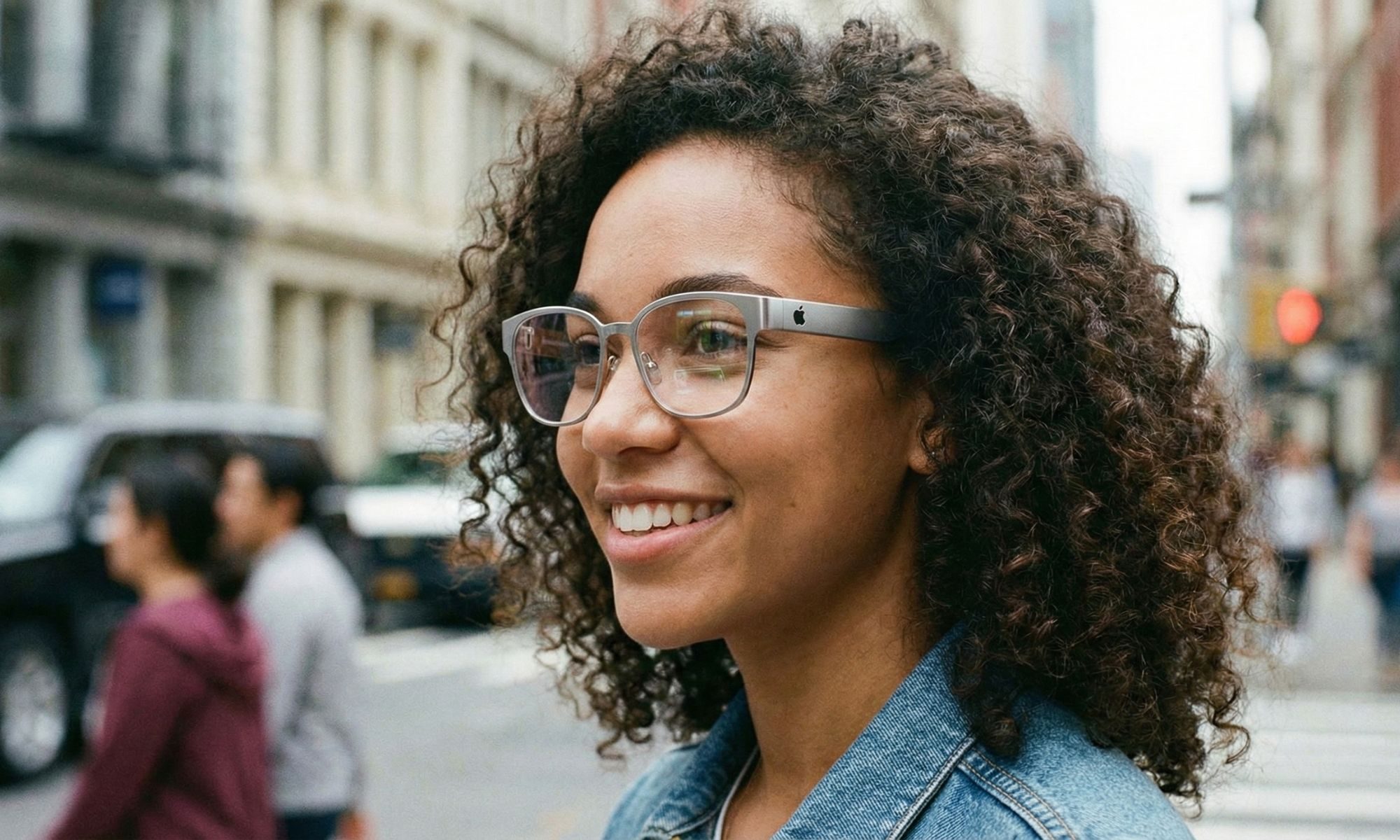
Apple’s strategy reflects a broader shift toward building an ecosystem of ambient, AI-enabled devices. The glasses would serve as a more discreet complement to Vision Pro, offering situational intelligence through the wearer’s natural perspective. This aligns with the company’s parallel development of camera-equipped AirPods and a pendant-style wearable, which together form a network of sensors designed to interpret the environment and enhance Siri’s contextual awareness.
The move signals Apple’s intention to make personal AI a seamless, constant presence – much like the transition smartphones once made from occasional tools to everyday companions.
Why the glasses matter for future Apple users
The appeal for users goes far beyond novelty. A glasses-based form factor has the potential to revolutionise Apple’s AI experience by allowing the system to actually see what the user sees. That unlocks capabilities like real-time translation, object recognition, hands-free note-taking, navigation cues and accessibility enhancements, all delivered without lifting a phone or speaking a command into thin air.

This is also a pivotal moment for Apple’s product roadmap. With smartphone growth slowing and wearables becoming a bigger revenue pillar, smart glasses offer a pathway into the next major computing platform. The device could appeal to users who want the advantages of AI-enhanced vision without adopting the fully immersive, and often socially awkward, experience of a headset.
What’s next as Apple refines its wearable AI ecosystem
Apple has not finalised a release window, and as with all of its long-term hardware projects, the glasses may still undergo substantial changes before entering production. The company is also evaluating battery placement, weight and optical comfort, which have historically been challenges for smart eyewear.
What’s clear is that Apple is steadily assembling the pieces of a multi-device wearable AI ecosystem – one that includes smart glasses, camera AirPods and sensors that work together to understand the world around you. As the company prepares major updates to iOS and its AI architecture later this year, these glasses could become one of Apple’s most influential steps toward a future where personal computing lives quietly on your face rather than in your pocket.