The year 2020 has been a big one for Fitbit. Long known for its wearable fitness trackers, it has unveiled its most advanced smartwatches to date. Leading the pack is the Fitbit Sense, which introduces such innovations as a built-in electrocardiogram (ECG) sensor as well as an app for monitoring electrodermal activity (which can indicate stress levels). Sitting alongside it is the cheaper yet still highly capable Versa 3, which builds on last year’s Versa 2 by offering its own internal GPS, a new PurePulse 2.0 monitor, as well as support for Google Assistant and Alexa.
As good as both smartwatches seem, which one is the best? To answer this question, we compare the Fitbit Versa 3 and the Fitbit Sense across a variety of categories, looking at their displays, battery life, fitness features, and special functions. This should help you decide which is the right fitness-focused device for you.
Specs
| Fitbit Versa 3 | Fitbit Sense | |
| Display size | 1.58 inches | 1.58 inches |
| Body size | 40 x 40 x 12mm | 40 x 40 x 12mm |
| Resolution |
336 x 336 pixels
|
336 x 336 pixels |
| Touchscreen | 1.58-inch AMOLED display | 1.58-inch AMOLED display |
| Storage | 4GB | 4GB |
| Wireless interface | Bluetooth 5.0, Wi-Fi 802.11 b/g/n, NFC | Bluetooth 5.0, Wi-Fi 802.11 b/g/n, NFC |
| EDA sensor | No | Yes |
| ECG sensor | No | Yes |
| Gyroscope | Yes | Yes |
| Ambient light sensor | Yes | Yes |
| Heart rate sensor | Yes | Yes |
| Barometer | Yes | Yes |
| GPS | Yes | Yes |
| Compass | Yes | Yes |
| Water-resistant | Yes | Yes |
| Battery life | 6+ days | 6+ days |
| Price | From $230 | From $330 |
| Availability | Fitbit | |
| DT review | News | News |
Design and display


- 1. Fitbit Sense
- 2. Fitbit Versa 3
It’s hard to tell the Fitbit Sense and Fitbit Versa 3 apart. Both smartwatches have the same dimensions, an identical screen size, the same squircle shape, and the same aluminum casing. The only difference is that the Fitbit Sense has two small horizontal notches on either side of its bezel, which is likely something to do with one of the extra functions it provides, since it doesn’t really provide a tangible improvement in design.
They also sport identical screens. At 336 x 336 pixels, they both fall a little short of the resolutions offered by the Apple Watch 5 (324 x 394) and the Samsung Galaxy Watch 3 (360 x 360). Still, they are crisp and vibrant enough to serve pretty much every purpose you’re likely to have for it, from tracking your health and fitness to using everyday apps.
Fitbit is selling the Sense with two color options: carbon/graphite stainless steel and lunar white/soft gold stainless steel. The Fitbit Versa 3, by contrast, comes in three colors: midnight/soft gold aluminum, black/black aluminum, and pink clay/soft gold aluminum. Even without a wide range of color choices, an ample selection of alternative bands are available for both watches, so you will be able to customize either device to reflect your own sense of style.
As the above suggests, the two watches are basically indistinguishable from a design and display perspective, so this round can only be a tie.
Winner: Tie
Fitness and health tracking features
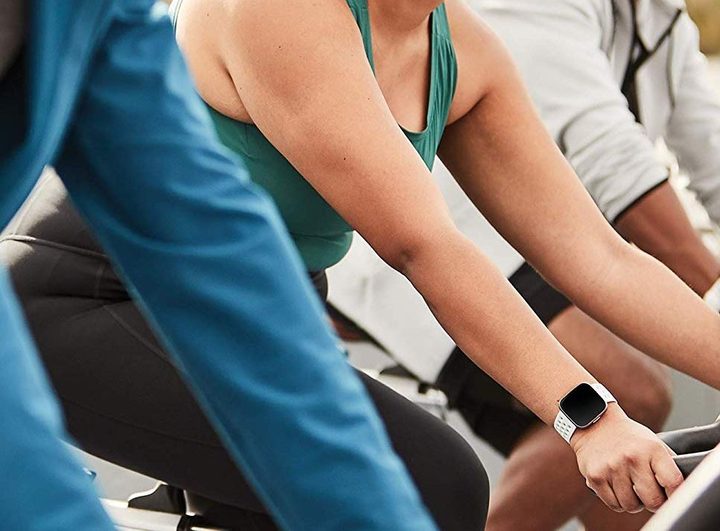
For the most part, the Fitbit Versa 3 and Fitbit Sense offer exactly the same health- and fitness-tracking features. They both pack a built-in GPS for mapping activity sessions, they both allow for 24/7 heart-rate tracking, they can both monitor your sleep, and they’re both swim-proof at a depth of 50 meters. Their heart-tracking functions have been improved over previous models by the inclusion of the PurePulse 2.0 heart monitor, which collects more data points and uses machine learning to analyze just what your heart is doing during workouts.
They’re both very comprehensive smartwatches for the fitness and health enthusiasts among us. However, the Fitbit Sense goes at least one step further than the Versa 3, thanks to the inclusion of a number of notable advanced features. Chief among these is an ECG (electrocardiogram) monitor, which — pending FDA approval — will measure the user’s heart rate rhythm and even check for conditions like atrial fibrillation.
The Sense also comes with an EDA (electrodermal activity) monitor capable of measuring stress levels, something that the watch will use to recommend exercises and practices aimed at relaxing you. Another unique feature is an on-wrist temperature sensor, which can provide early indications of illness or pregnancy.
These two additions make the Fitbit Sense the better all-round fitness smartwatch, so this round, it clearly wins.
Winner: Fitness Sense
Battery life

The Fitbit Versa 3 and Sense both pack batteries that can run for six days on a single charge, and so does the Versa 3. They also support fast charging, letting you quickly get a day’s charge in only 12 minutes. This is a modest but clear improvement over previous Fitbit models, but given that both smartwatches offer the same enhancement, this is another round that will end in a draw.
Winner: Tie
Special features
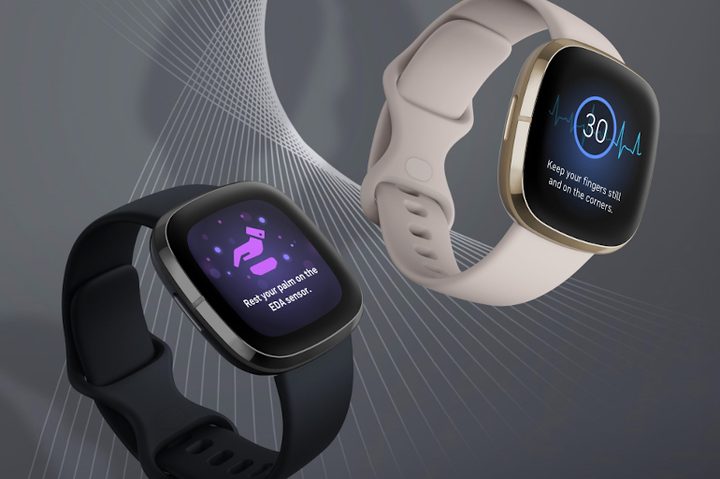
They may be focused on fitness and health, but the Fitbit Versa 3 and Fitbit Sense are fairly versatile smartwatches. They both come with a range of additional features, including the ability to quickly reply to messages on Android smartphones, control music streaming on services such as Spotify, and pay for in-store purchases via Fitbit Pay. They also offer support for Google Assistant and Alexa (depending on your preferences), a helpful Sleep Mode, an Always-On Display mode, as well as a vast store of virtual clock designs to choose from.
As with its fitness-tracking features, the Fitbit Sense boasts a handful of special features lacked by the Versa 3. Most notably it comes with a free six-month trial to Fitbit Premium, which helps self-development by providing personalized goals, challenges, coaching, and guidance. It normally costs $10 per month or $80 for the year, so free access for half a year may help those who need an extra push to achieve their fitness targets.
There’s also the aforementioned extra fitness features, which may make the Fitness Sense more attractive to those who want to know as much about their health and fitness levels as possible. Taken together with the added Fitness Premium freebie, this is enough for the Sense to bring home the win in this round.
Winner: Fitbit Sense
Price and availability
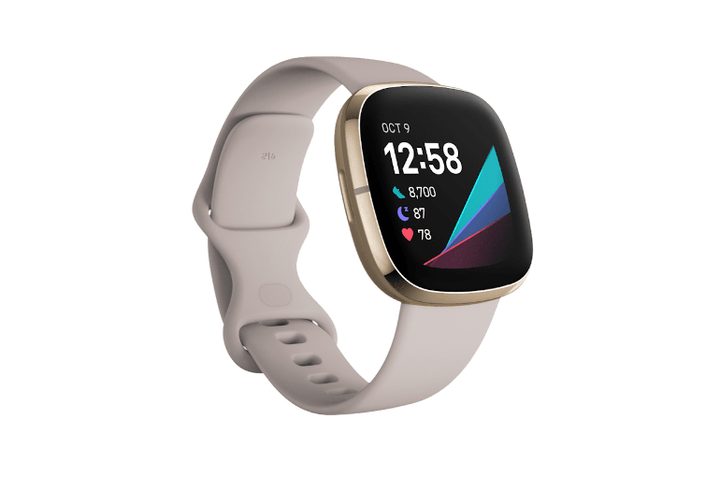
The Fitbit Versa 3 and Fitbit Sense are both available to pre-order now from Fitbit. They ship from September 25, with the Versa 3 retailing at $230 and the Sense retailing at $330.
They’re also likely to be available from most major retailers, including Amazon, Walmart, Best Buy, Target, and Verizon. Take a look at some of the best smartwatch deals and Fitbit deals going on ahead of Cyber Monday sales.
Overall winner: Fitbit Sense
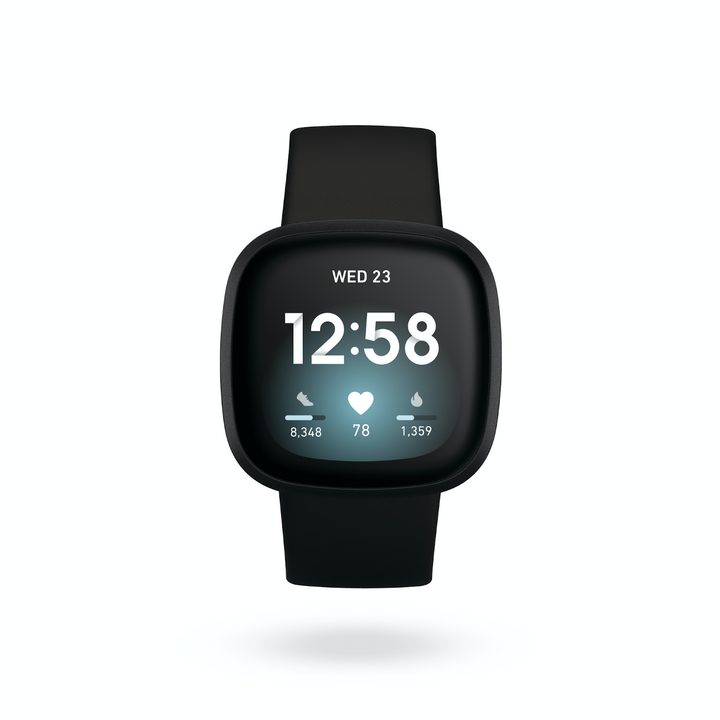
It may be $100 more expensive than the Fitbit Versa 3, but the Fitbit Sense is the better smartwatch for keen exercisers. Both devices share a large number of features, but the Sense’s inclusion of EDA, ECG, and skin-temperature sensors make it much comprehensive and powerful as a fitness aid than its cheaper stablemate. The addition of a six-month free trial to Fitbit Premium is also a significant bonus for anyone wanting definite goals to work toward.
That said, the Fitbit Versa 3 does provide most of what the Sense offers. It may not be quite as complete, but for $100 less, many people will find that it more than meets their needs.