  1. Home
  2. Wearables
  3. News

Wearables aren’t mere privacy risks. Research warns of their hacking as a “ransomware for the body” threat

Forget stolen passwords. Researchers say your wearables could be turned into weapons against you.

Add as a preferred source on Google
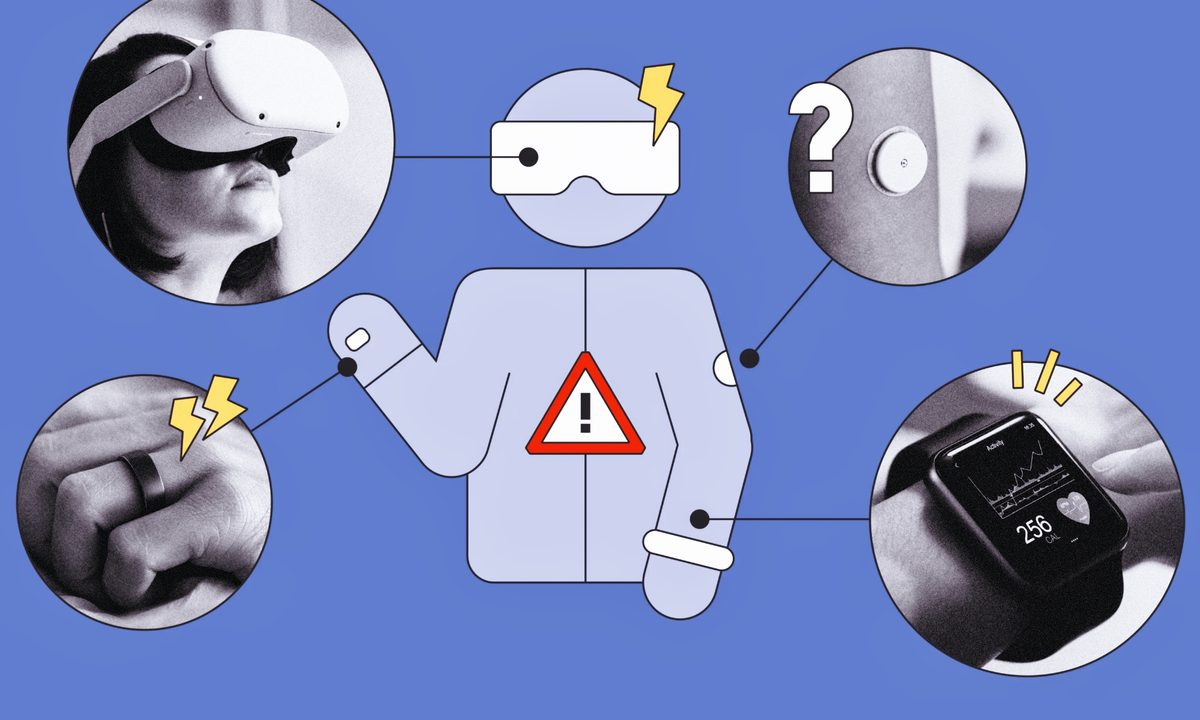
infographic showing various smart wearable devices
CISPA

Your smartwatch knows your heart rate, your sleep schedule, and several other types of health data. But what happens when someone else gets access to all of that? Researchers at CISPA have some worrying answers.

Daniel Gerhardt, a doctoral researcher, recently published a paper exploring the privacy and security risks of on-body interaction techniques, which include wearables, smart glasses, and even smart garments. His findings are not pretty.

Could your smart wearables hurt you?

The study found that privacy and security risks with wearable tech cannot be taken lightly. A wearable device sits close to your body and has access to more data than your phone or computer, and hence, the potential for harm goes well beyond leaked passwords.

Recommended Videos

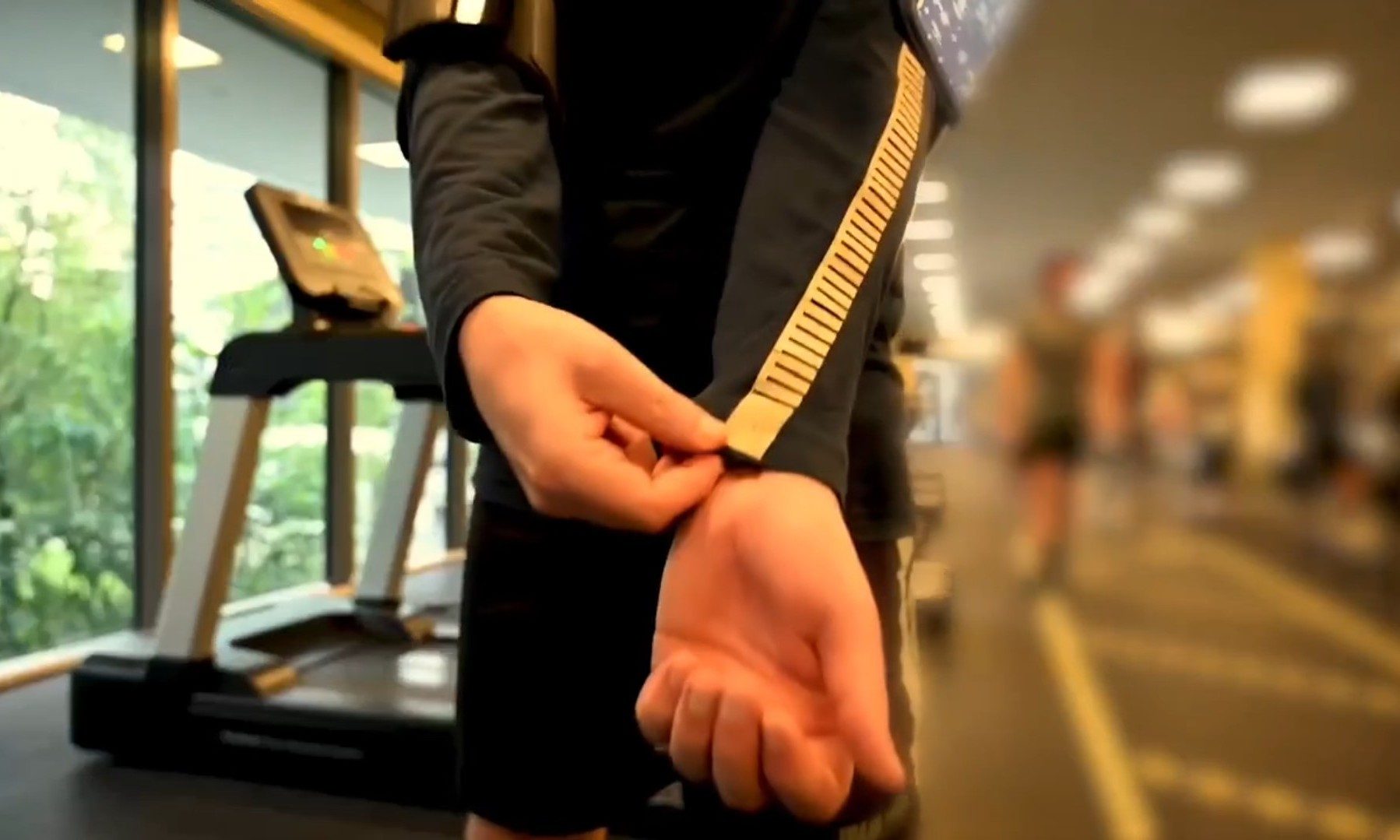
The most alarming finding is the physical risk. A smart jacket with heating elements, for example, could theoretically be hacked to cause burns. Devices could also be used for extortion. One expert in the study described this scenario as “ransomware for the body,” and honestly, that phrase alone should keep you up at night.
Psychological risks are also on the table. Immersive or manipulative systems could be used to cause stress or push users into unwanted experiences. And it is not just the wearer at risk. Devices can capture data from bystanders without their knowledge.

Is there a fix?

Gerhardt also developed eight design guidelines to help researchers, designers, and companies build safer wearables from the ground up. The recommendations include minimizing data collection, improving transparency for users, and building stronger security into both hardware and software.

The research was presented at the ACM CHI Conference on Human Factors in Computing Systems, one of the most respected gatherings in human-computer interaction research.

Wearables are only going to get more capable. Getting the safety side right now, before they become truly indispensable, seems like the smart move.

Rachit Agarwal
Rachit is a seasoned tech journalist with over seven years of experience covering the consumer technology landscape.
This over-engineered smartwatch has two cameras and it morphs into an action cam
Huawei’s new kids’ watch is basically a tiny action cam in disguise
Huawei Kids Watch X1 Pro Promo Material

Huawei’s latest smartwatch is the kind of gadget that sounds overbuilt in the most fascinating way. The Huawei Watch Kids X1 Pro is a wearable built for children with a detachable design, dual cameras, location tracking, video calling, parental controls, and enough camera tricks to make it feel like a tiny action cam slapped on a wrist.

How this smartwatch wants to be a camera

Read more
Apple’s next AirPods could give Siri eyes, and they’re already being tested
Camera-equipped AirPods could give Siri the comeback it badly needs
Apple Airpods Pro 3 Official

AI is still something most people have to consciously engage with. You open an app, type a prompt, take a photo, or ask a question. Apple’s next major AirPods upgrade could change that. According to Bloomberg’s Mark Gurman, the company is in late-stage development on camera-equipped earbuds that could put visual AI into a device that many people already use every day.

How close are these AI AirPods to launch?

Read more
Google’s Fitbit Air is a screenless $99 Whoop rival, and its core features don’t need a subscription
The real competitive edge Fitbit Air has is that Google separated the hardware cost from the subscription entirely, giving users something Whoop never has: a choice about whether to pay monthly at all.
Fitbit Air in all the colors.

Google just made its most serious moves yet into the fitness tracker market. The maker of the Pixel Watch has officially unveiled the Fitbit Air, a screenless health band priced at $99.99. Unlike Whoop, which locks all the fitness data behind a paywall, Fitbit Air’s core health-tracking features will remain free. 

Currently available for pre-orders, the device will start shipping across 21 countries starting May 26, 2026. You can get the tracker in four Pixel-like colors, including Obsidian, Lavender, Fog, and Berry, and choose from three different strap styles: Performance Loop, Active Band, and Elevated Modern Band. 

Read more