Wearable devices are about to have a moment, and manufacturers are hoping you’ll sleep through it.
At the Worldwide Developers Conference 2020, Apple announced that it is adding “sleep-tracking” capabilities to its Apple Watch, the dominant wearable on the market. While it’s surprising that Apple never pushed hard for sleep features before, there may be a good reason for the delay.
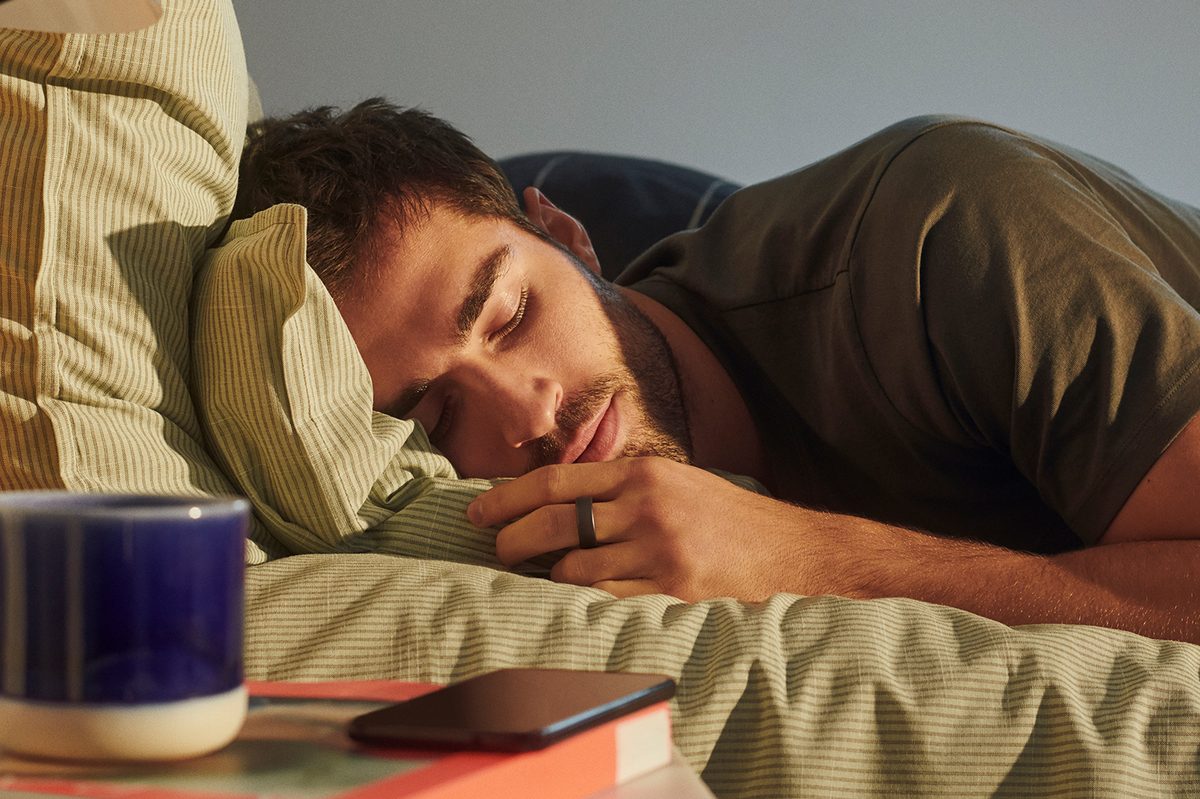
The new Oura Ring is also getting a ton of press, thanks to a coronavirus-inspired partnership with NBA players. Oura makes sleep tracking a key feature of the device, and it’s the first feature you’ll see on the company homepage.
Amid these developments, we have concerns about the effect sleep-tracking features will have on battery life. If you’re running motion sensors all night long instead of charging, that leads to an obvious question: When will you charge the device?
Even if you ignore the battery issue, there’s a more fundamental problem. Sleep tracking simply doesn’t work well, and you shouldn’t bother using your wearable device to track your sleep.
Sleep tracking is bigger than your wrist
Your wearable device doesn’t do a great job of tracking your sleep and giving you an accurate report in the morning. As the open access journal Sensor reported, “the currently available consumer devices for sleep tracking do not provide reliable information about one’s sleep.”
When doctors measure sleep, they rely on a set of techniques together known as “polysomnography” (PSG). Clinicians attach sensors to measure your heart (ECG), your brain (EEG), your eye movement (EOG), and skeletal-muscular activity (EMG).

For the most part, wearables don’t pack these sensors. They instead rely on accelerometers, and feed the motion data through machine learning software to guess what sort of sleep accompanied each movement, or each short “epoch” of time. Theoretically, the Apple Watch could also use its heart rate monitor, and even microphones, as part of a multisensor array, but Apple is not providing specific details about the feature beyond motion-detection.
When scientists measure your sleep, they measure a number of different stages and events. How long did you sleep? Did you wake up again soon after you fell asleep? What was the quality of your sleep time?
It turns out, fitness bands and watches aren’t great at measuring these qualities. As reported in Sensor in September, 2019, “results suggest that, to date, the available sleep trackers do not provide meaningful sleep analysis but may be interesting for simply tracking time in bed.”
The only information sleep trackers accurately gauge is how long you stayed in bed. That’s not useless information, but it’s far from the robust reporting that sleep trackers promise.
More harm than good
It’s a shame current wearable devices aren’t great at assessing sleep problems, because we do need a solution that is less intrusive than all of the sticky sensors and loud monitoring required for a full PSG sleep test.
“The laboratory setup, experimental manipulations, and the first night effect, among other factors, form challenges that hinder laboratory sleep recordings from properly reflecting at-home sleep” says the report in the journal Sensor. That study shows that sleep-tracking devices, including more scientific “actigraphy” devices, as well as smartphone-based apps that interpret sleep sounds, largely failed at offering a detailed report of important sleep phenomena.
This creates a negative feedback loop. Even if we get a good night’s sleep, we may not feel it if our devices disagree.
In fact, the study was not simply calling out false claims, but in fact raising alarms about potential damage these devices could cause. Sensor researchers say that “by providing such inaccurate information, these consumer devices might even risk contributing to worse sleep and life quality as the users may be concerned by the sometimes-negative outputs highlighting bad nights of sleep”
We’re encouraged to track our sleep with these devices, but then fed inaccurate information about our quality of sleep. This creates a negative feedback loop. Even if we get a good night’s sleep, we may not feel it if our devices disagree.
When bad sleeping tracking becomes the problem
A case study published in the journal of Clinical Sleep Medicine coined the term “orthosomnia” to describe a condition caused by seeking the perfect sleep. The study found that patient were so preoccupied with improving their sleep data, based on the measurements of their sleep-tracking devices, that this preoccupation created its own problems.
Even when doctors measured a patient in a clinical sleep study environment and showed that she was enjoying quality, deep sleep, she still felt she needed sleep help because her tracking device reported unsatisfactory sleep patterns.
“We found patients’ perceptions difficult to alter. In addition, lack of transparency in the device algorithms makes it impossible to know how accurate they are even under the best circumstances,” says the study.
Sleep tracking offers little to no benefit, and drains the battery life of a wearable device during the only time the user doesn’t need it. So, even when Apple enables sleep tracking in the next big Apple Watch update, I’d strongly advise against relying on the feature.