Intel first introduced its line of eighth-generation “Coffee Lake” processors at the end of August, but those chips were only slated for notebooks. Now, thanks to someone spilling the coffee all over the internet (aka breaking the embargo), we can now reveal Intel’s plans for the next stage in its eighth-generation rollout without getting in trouble — its new desktop processors. Dubbed as Coffee Lake-S, these chips will arrive on October 5 alongside compatible motherboards.
Here is the lineup:
| Cores / Threads |
Base Clock |
Max Clock |
Cache | Power Usage |
Unlocked | Price | |
| i7-8700K | 6 / 12 | 3.7GHz | 4.7GHz | 12MB | 95 watts | Yes | $359 |
| i7-8700 | 6 / 12 | 3.2GHz | 4.6GHz | 12MB | 65 watts | No | $303 |
| i5-8600K | 6 / 6 | 3.6GHz | 4.3GHz | 9MB | 95 watts | Yes | $257 |
| i5-8400 | 6 / 6 | 2.8GHz | 4.0GHz | 9MB | 65 watts | No | $182 |
| i3-8350K | 4 / 4 | 4.0GHz | N/A | 6MB | 91 watts | Yes | $168 |
| i3-8100 | 4 / 4 | 3.6GHz | N/A | 6MB | 65 watts | No | $177 |
For starters, Coffee Lake-S introduces Core i7 chips with six cores, and Core i3 processors with four cores to the mainstream desktop market. They are based on what Intel calls 14nm++ process technology, a method of reducing the size of billions of transistors, and cramming them into a single, optimized chip.
The new chips promise improved single-threaded performance over the previous generation. As a refresher, a “thread” is the line of communication between an application and processor core. All versions require motherboards based on the company’s new Z370 chipset, and will not work on any other motherboard. What remains unchanged is the processor’s throne, the LGA 1151 socket, which Intel used for its sixth-generation (Skylake) and seventh-generation (Kaby Lake) desktop processor families.
The reason Coffee Lake-S chips are locked specifically to the Z370 chipset is due to power. Having up to six cores, 12 threads, and 12MB in cache simply pulls more from the motherboard, so Intel made changes in the power delivery on the package level to accommodate the extra needs. That means the Z370 motherboards will not support sixth and seventh-generation Intel desktop processors. Adding to that, the ‘K’ models are unlocked, allowing you to overclock all those cores for added performance at an additional power requirement.
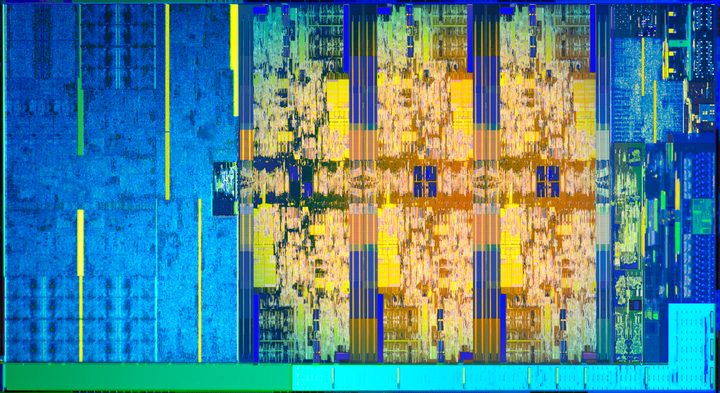
And that was Intel’s proudest moment during a conference call on Friday, September 22: Talking about Coffee Lake-S overclocking. The new processor architecture includes per-core overclocking for maximum control, a maximum memory ratio of up to 8,400MT/s, real-time latency control, and more. Backing all this overclocking goodness is support for Intel Extreme Memory Profile (XMP) 2.0 technology, and the Intel Extreme Tuning Utility (XTU). Intel will provide an optional Tuning Protection Plan just in case tweaking goes haywire.
All six chips will have integrated graphics. The architecture remains the same, but Intel promises better performance through higher frequencies and driver optimizations. The processors will also include built-in support for DisplayPort v1.4, and USB 3.1 Gen1 technology — there is no built-in support for the newer USB 3.1 Gen2. The overall Coffee Lake-S platform supports up to 40 PCI Express 3.0 lanes, with the processors specifically providing up to 24 of those 40 lanes.
According to Intel, the Core i7-8700K is the best desktop processors for pure PC gaming. Sure, Intel is still rolling out its X-Series chips for the enthusiast market, and they are ideal for those who want high-definition graphics while simultaneously streaming live 1080p gameplay to Twitch, YouTube, and Mixer. But if you ask Intel, the Core i7-8700K provides 25 percent more frames per second and 45 percent better mega-tasking than its seventh-generation desktop processors.
Ultimately, Intel’s Coffee Lake-S family targets the “premium performance” market consisting of gamers, overclockers, and content creators. The chips themselves will be made available on October 5 alongside new motherboards supplied by Intel’s partners. Dell also plans to make available a new Alienware Aurora desktop packed with the Core i7-8700K on the same day. Solutions from other original equipment manufacturers using the new Coffee Lake-S chips will arrive throughout the fourth quarter of 2017.