  1. Home
  2. Computing
  3. News

Chromebooks will finally get the tablet mode they always needed

Add as a preferred source on Google
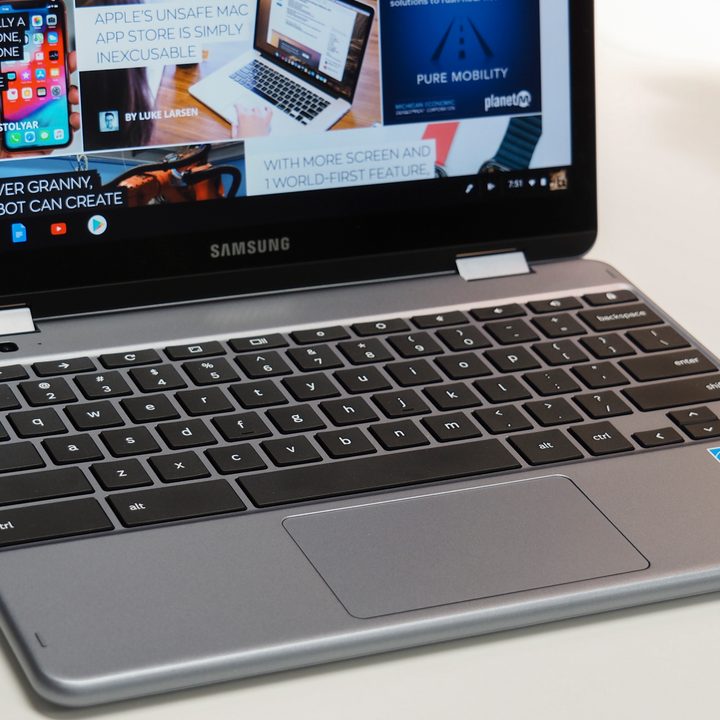
Samsung Chromebook Plus V2
Mark Coppock/Digital Trends

After Chrome 70 released to desktop and Android earlier in October, it is now in the process of rolling out to Chromebook devices around the world. This latest update introduces new changes focused on making Chrome OS more touch-friendly, as noted by Chrome Unboxed.

Foremost among the upgrades in Chrome OS 70 is a new interface that centers the system taskbar and makes app icons larger and spaced out for easier access via touch. Also new in that area is a fresher quick settings menu, which adds in cleaner toggle switches for Wi-Fi, Bluetooth, sound, and brightness settings.
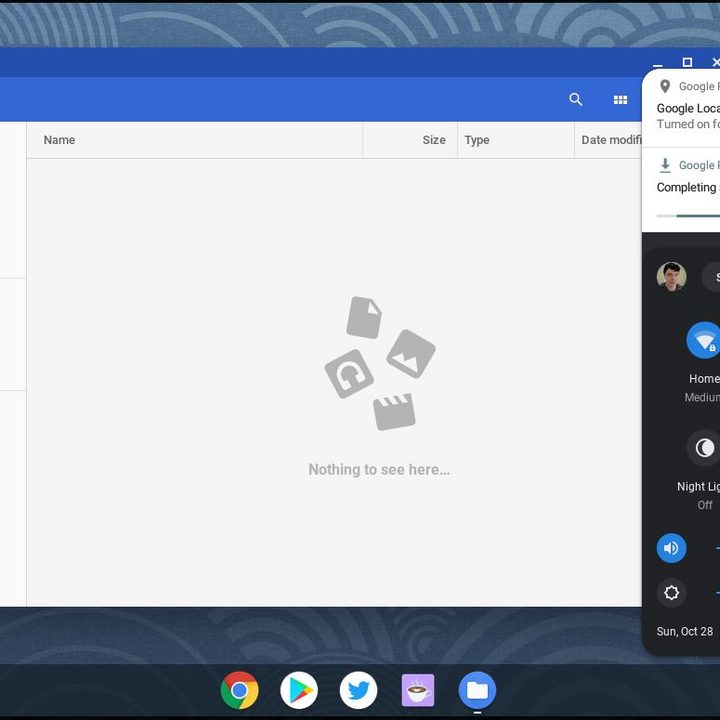
The new UI and Quick Settings menu (via Android Police) Image used with permission by copyright holder

Elsewhere, another key change is new support for Android app shortcuts, where right-clicking or tapping on apps in the system tray will display secondary options. That fits in with support for a new floating touch keyboard, which includes handwriting recognization and emoji input. The keyboard even can be undocked to a length similar to Gboard on Android, a significant change from the previous versions of Chrome OS in which it took up half the display.
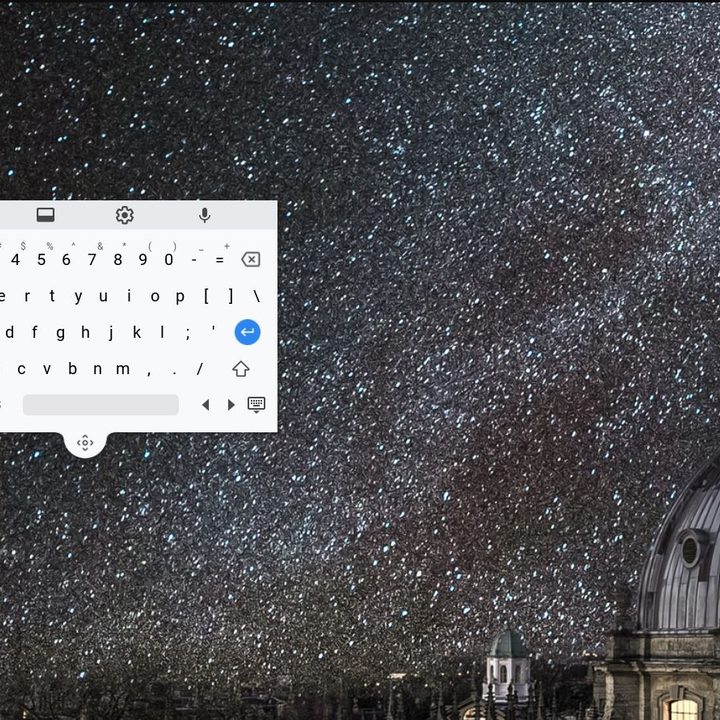
The new touch keyboard on Chrome OS 70 (via Chrome Unboxed) Image used with permission by copyright holder

Currently, not all Chromebooks models are eligible for this update and only 33 percent of all devices have received it thus far. Google officially says that “systems will be receiving updates over the next several days,” so not everyone will be seeing the update right away.

Recommended Videos

That should not be too surprising, considering that Chrome OS 70 also introduces a new AV1 video decoder, which focuses on delivering better video quality. Newer features on the software side don’t always work out well with older hardware.

Other key changes in Chrome OS 70 include new controls for managing extension permissions, and “not secure” warnings when entering personal information on non-HTTPS webpages. A full list of the smaller changes is available on the Google Chromium blog.

It is nice to see Google making Chrome OS more optimized for touch, especially as more Chromebooks are picking up touchscreens and other premium features.  That was a big highlight in our hands-on review of the Google Pixel Slate, which looks to be running this same version of Chrome OS. The new software also will likely play nice on big touchscreen devices such as the new thin-bezeled Chromebooks from Asus.

Arif Bacchus
Arif Bacchus is a native New Yorker and a fan of all things technology. Arif works as a freelance writer at Digital Trends…
Claude Design will now stick to your brand guidelines instead of generic AI mockups
Claude Design connects to Adobe, Canva, and more tools now.
Claude desktop.

Anthropic just rolled out a big update to Claude Design, its AI-powered visual creation tool that first launched in research preview. The tool already lets you turn a simple prompt into prototypes, decks, and marketing assets, and now it does even more.

The latest update brings design system support, a smooth handoff to Claude Code, a redesigned editor, and a bunch of new app integrations.

Read more
Stop making boring slides because Google Vids just made AI avatars free for everyone
Google Vids makes AI avatars free, adds longer video generation along with multilingual voiceovers
Text, Adult, Male

If you've wanted to turn presentations into videos without recording yourself, Google has some good news. Starting today, anyone with a personal Google account in the US can use AI avatars in Vids for free, with the rollout expanding to more regions later this summer. Free users get 10 monthly video generations that can be split between avatar creations and Veo-powered clips.

Your presentations just got an AI presenter, for free

Read more
Qualcomm reveals flagship XR processor and new framework for AI glasses
Accessories, Glasses, Sunglasses

Qualcomm is laying the groundwork for the next generation of XR hardware with two announcements that target both the brains inside future headsets and the tools needed to build them.

At Augmented World Expo 2026, the company unveiled Snapdragon Reality Elite, its new flagship XR platform designed for devices running Android XR and other mixed-reality experiences. Qualcomm also introduced Snapdragon START, a new initiative aimed at helping brands bring AI-powered smart glasses and wearable devices to market more quickly.

Read more