Orion 10019 SkyQuest XT10i IntelliScope
The best
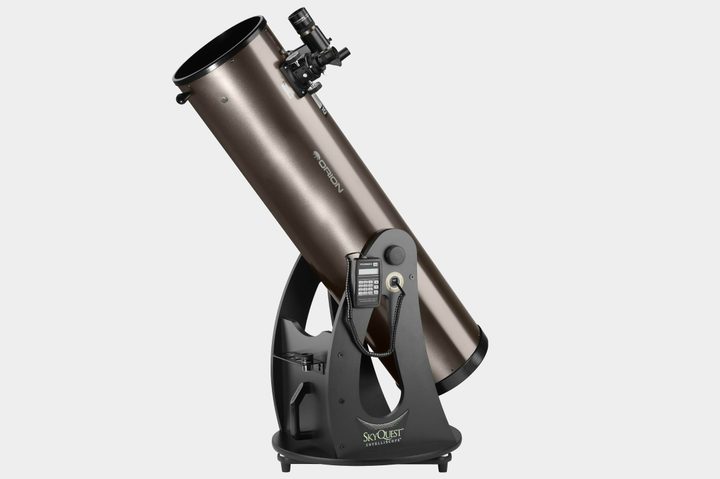
The Orion 10019 SkyQuest XT10i IntelliScope is a top-of-the-line Dobsonian reflector telescope. The model incorporates one of the largest apertures you’ll find on this kind of telescope, which lets the XT10i IntelliScope gather more light for the brightest views of the cosmos.
Its most outstanding feature is the computerized Object Locator tool: Simply select the object you’d like to observe and then follow the arrows on the display to quickly align with one of more than 14,000 celestial objects. Would you like a tour instead? Well, you’re in luck. The tour setting automatically allows you to choose from 12 pre-programmed astronomical tours, each of which is available on a monthly basis.
Moreover, the wooden base and adjustment controls ensure the telescope is perpetually balanced at all viewing positions. The SkyQuest XT10i even comes with a 2-inch Crayford focuser and two 1.25-inch Sirius Plossl telescope eyepieces — a 25-millimeter and 10-millimeter — not to mention a 9×50 finder scope, en eyepiece rack, and a collimation cap.
The real knock with this guy is the overall bulkiness of the telescope. Dobsonians are more cumbersome than other tripod-mounted models, though the SkyQuest XT10i does feature a handle that makes lugging it around a little less of a nuisance. The push-to alignment tool is really just a plus for those who prefer more manual control.
Celestron 21061 AstroMaster 70AZ
The best for beginners
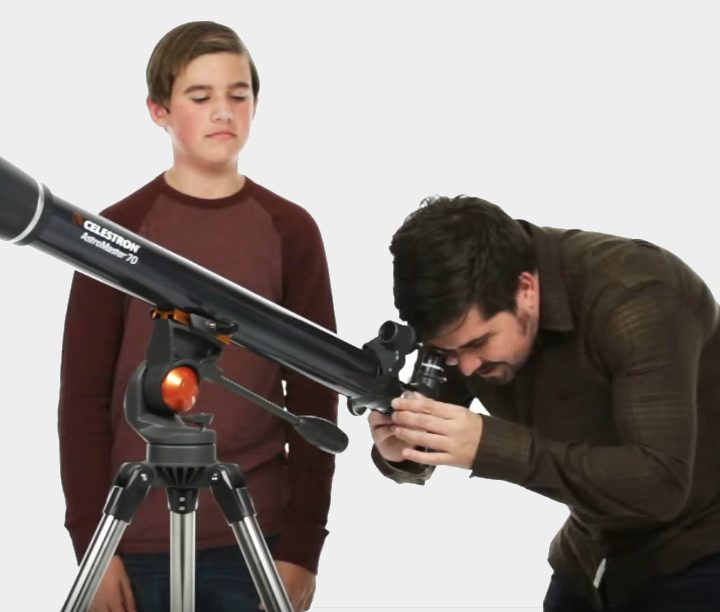
The AstroMaster 70AZ is hard to top if you’re looking to spend considerably less on a telescope. The 3-inch aperture allows for exceptional glimpses of the moon and nearby planets, thus allowing you to whet your Newtonian whistle, and the bundled tripod is easy to assemble. Better yet, when fully assembled, the telescope and tripod weigh just under 18 pounds. The AstroMaster also comes with multiple eyepieces and three coated lens, eliminating focusing issues.
The biggest drawback to the AstroMaster is the lack of an automatic or more sophisticated manual tracking system, meaning you’ll often have a short window of time in which to view objects before they escape your viewing area. The tripod is a tad on the short side, too, so taller astronomers may want to opt for a different tripod.
Other models on our list come with greater base performance than this refractor model. However, with 165× magnification, the AstroMaster is a solid option for kids or other budding astronomers.
Celestron NexStar 6SE
The best portable
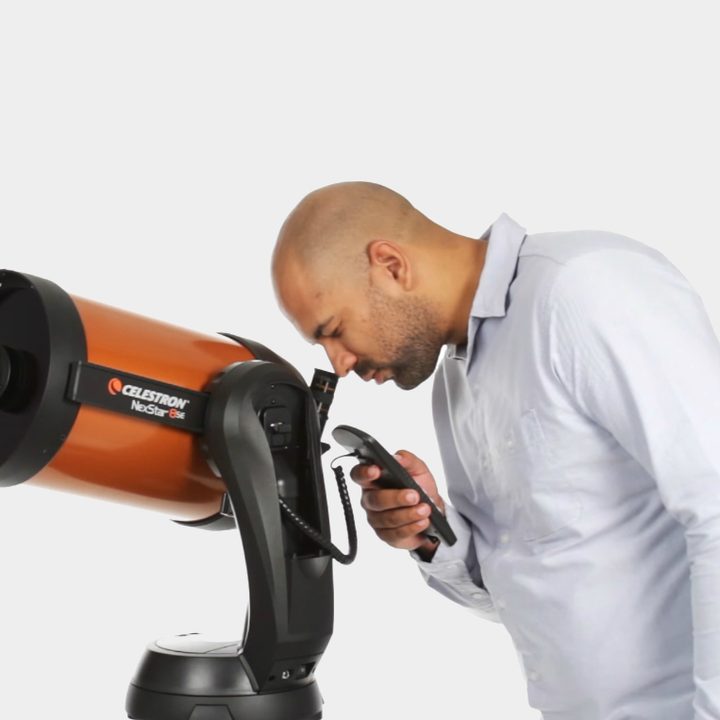
The Celestron NexStar 6SE is an astronomer’s dream, and comes at a fair price. The portable device features a large, 6-inch aperture that houses supreme light-gathering capabilities within a sleek, modern build, allowing you to take in some of the more fantastic highlights of our solar system in stunning clarity. The telescope also does the more meticulous work on your behalf, courtesy of Celetron’s patented tracking technology. The telescope’s automated tracking device can easily locate more than 40,000 objects in just moments. A built-in GPS lets you simply aim the telescope at any three bright objects in the sky to position the device.
Unlike some of the bulkier telescopes on the market, the Celestron NexStar 6SE weighs only 21 pounds, which makes it perfect for those family trips to the countryside. There are telescopes capable of gathering and focusing more light for less money, but the sleek design of the NexStar 6SE and its on-board computer are enticing additions. That said, the NexStar 6SE is better suited for seasoned astronomers than the occasional hobbyist.
Celestron 127EQ PowerSeeker Telescope
The best budget option
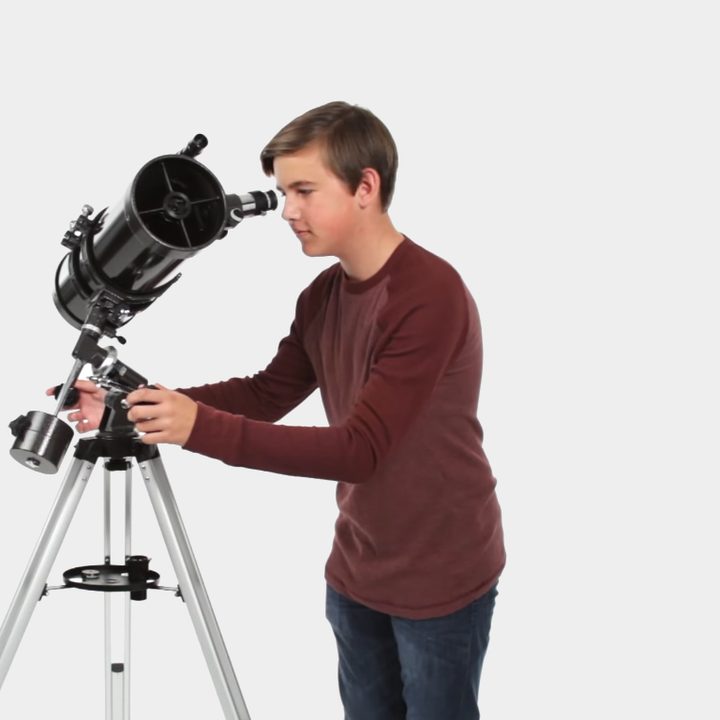
The 127EQ PowerSeeker is one of the most popular telescopes on the market, namely because of the price. This Newtonian-style reflector telescope comes with a 5-inch aperture and 1,000-millimeter focal length, both of which are a steal. Every device in the PowerSeekers lineup also comes with coated optics and 300× magnification capacity, which lets you easily view all the highlights of our solar system. The device also includes “The Sky,” software that lets you locate an array of objects using your computer.
The telescope’s smooth, slow-motion manual tracking allows you to easily keep objects in the viewing area. Yes, automatic tracking is more convenient, but for the price, you can’t really complain. There aren’t many other drawbacks, though, you may want to eventually upgrade from the lackluster eyepiece to something more capable.
Celestron NexStar 130 SLT
The best affordable auto-tracking
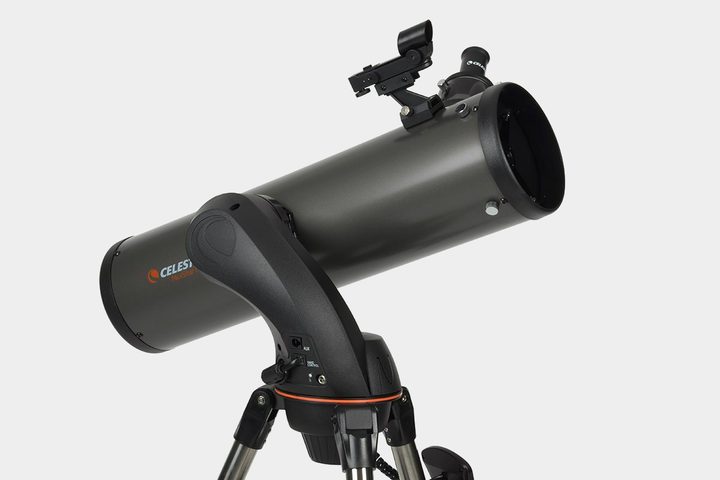
The Celestron NexStar 130SLT is a solid option for those who’ve already exhausted the benefits of their first telescope. The 307-times magnification and 5-inch aperture allow the device to match the performance of any model in the same pricing bracket, though Celestron’s offering also incorporates the company’s SkyAlign technology whereas others do not. This takes the meticulous scanning and alignment out of your cosmic hunting. Simply align the telescope with any three objects in the sky and the device will position itself on its own, taking into account more than 4,000 celestial objects as it does.
An internal battery powers the unit, allowing for untethered functionality. On top of that, the device utilizes NexRemote, which lets you control your telescope directly from your computer; anything done using the on-board hand control can be accomplished remotely once you connect to your PC. You can also quickly assemble the unit without any tools, rendering it more portable than some alternatives on our list.
The bundled eyepieces certainly do the trick, but to get the most bang for your buck, you may want to upgrade to something more powerful. As for drawbacks, the only thing really working against this model is its limited battery capacity, something you’ll notice even more when using the “auto-tracking.” Nonetheless, the NexStar 130 SLT is about as cheap as it gets when it comes to models with automatic tracking and a 5-inch aperture. It represents the apex for those considering performance and affordability.