If you’ve had your eye on a pair of premium noise-canceling headphones, you’ve no doubt heard of the top options from Sony and Bose. Both companies have been making amazing headphones for frequent travelers (and open-floorplan offices) for years now, and the battle at the top of the business-class headphone world is once again heating up.
That’s because, after over a decade of iterating on its QuietComfort design, which single-handedly defined the noise-canceling category, Bose has launched a brand new pair of headphones that reimagines the company’s clean-lined aesthetic with more minimalism than ever. The new Bose Noise Cancelling 700 takes direct aim at Sony’s acclaimed WH-1000xM3, offering many of the same bells and whistles, and claiming the best call quality ever heard from a pair of headphones. Is the new Bose model ready to take down Sony’s best? We pitted them against each other in multiple categories to help you decide.
Design and fit

If you’re looking for the sleekest pair of noise-canceling headphones to show off around town, we easily choose the Bose. With clean, rounded lines, and a very understated appearance, they simply outclass the Sony model. What the WH-1000Xm3 have going for them that the Bose doesn’t is a more traditional business-style look, with plush leather, soft lines, and understated (but still attractive) earcups. It’s also worth noting for those of you who want something beyond basic black, that the Bose are now available in three color choices: Black, “Luxe Silver,” and “Soapstone,” whereas the Sony model only comes in black or silver.
Comfort, though, is another thing entirely. Digital Trends Senior Editor Caleb Denison believes the Bose model to be the most comfortable noise-canceling headphones he’s ever worn — and he’s spent a lot of time with the Sony model — but others feel the Sony, with their thick memory foam headband in place of Bose’s rubber, do better. As always, we recommend trying both if possible, as this author considers it a toss-up.
Both of these headphones are very attractive and comfortable, but we give Bose a slight edge in terms of the overall design. We’ll call it a narrow victory for Bose, but can confidently say that regardless of which pair you buy, you’re going to like the way they look, and they’ll probably feel pretty darn comfortable.
Winner: Bose Noise Cancelling Headphones 700
Features, controls, and battery life
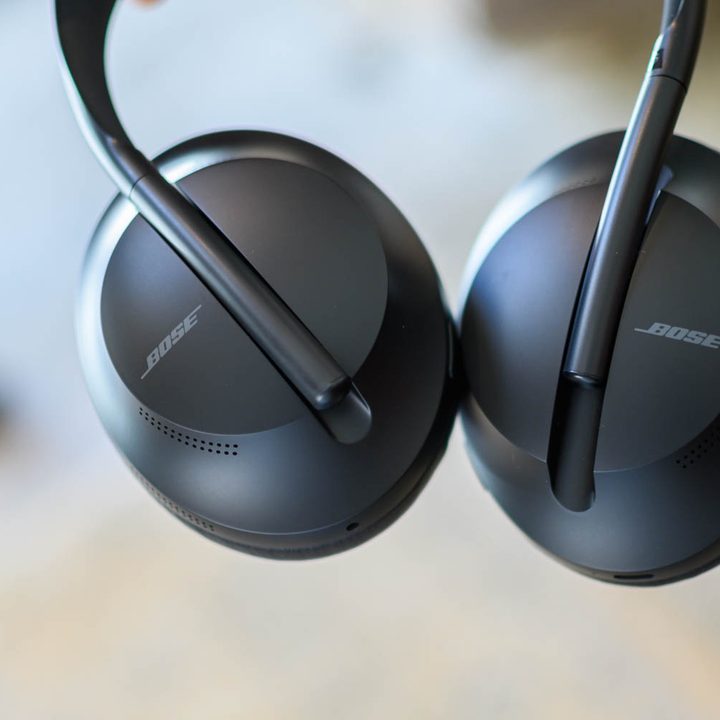
Where the Bose QC 35 II paled in comparison to the Sony WH-1000xM3 when it came to features, the company’s newest flagship has many of the same things that made people gravitate towards the Sony model in recent years; those include extras like touch controls, USB-C charging, and a number of advanced app-based features, including the ability to adjust just how much noise-canceling you want at any given moment. They’ve even got a total of eight different microphones to provide the best call quality we’ve ever heard from a pair of wireless headphones.
Yet, in every place except call quality, Sony goes a bit further than the Bose model, offering 30 hours of battery life to the Bose 700’s 20 hours, the ability to adjust equalization inside its app, and even a pressure equalization feature for when you fly — no more ear pops! So while both pairs of headphones are feature-rich and extremely easy to use, we’ve gotta give it to Sony here. The extra features (especially that battery life) put them over the top.
Winner: Sony WH-1000XM3
Sound quality
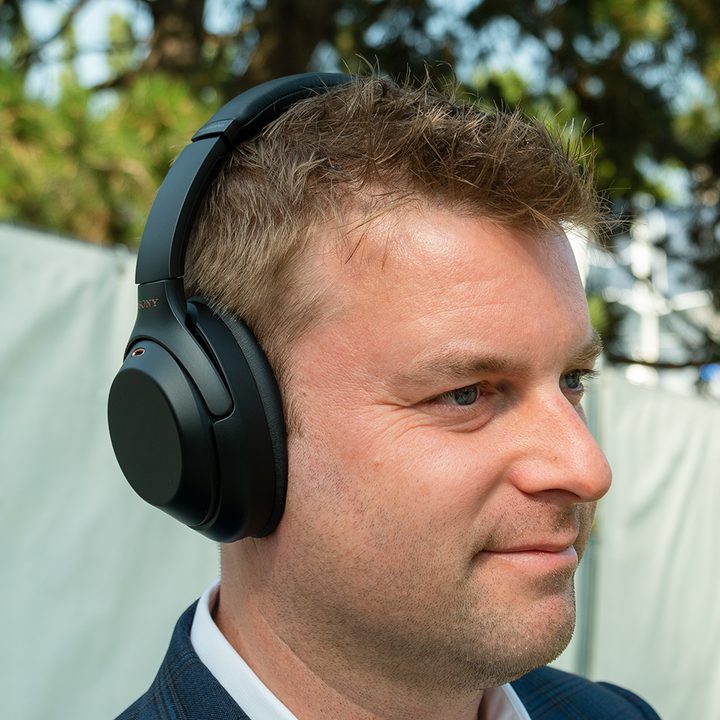
Both pairs of headphones sound fantastic, offering wide soundstages and serious detail that will help you hear your favorite tunes in a new light, but Sony’s WH-1000xM3 provides more balance when representing our favorite music.
The Sony headphones have a bit more bass, but they manage to keep the mid and upper registers very flat and accessible, with the company’s acclaimed audio processing working its magic especially well on dense mixes for a dynamic sound that’s also quite smooth. The Bose 700 is a bit more restrained down low, but seems to provide a hefty boost in the upper-midrange, making them a bit too bright for our ears for some music genres. Add to this the fact that the Sony WH-1000XM3 has the ability to adjust EQ, and we think they’re the best pair for audiophiles — even though we do like the sound of the Bose Noise Cancelling 700 as well.
Winner: Sony WH-1000XM3
Overall
At a price that’s $50 less than the $400 Bose Noise Cancelling 700, along with slightly better sound and more features, the Sony WH-1000XM3 is still the better buy when it comes to premium noise-canceling headphones, even though we might lust after the looks (and feeling) of the latest Bose model. That said, if you make a ton of phone calls on your travels, it’s worth remembering that the Bose 700 offer significantly better call quality, and a pretty great overall package as well.
Winner: Sony WH-1000XM3