
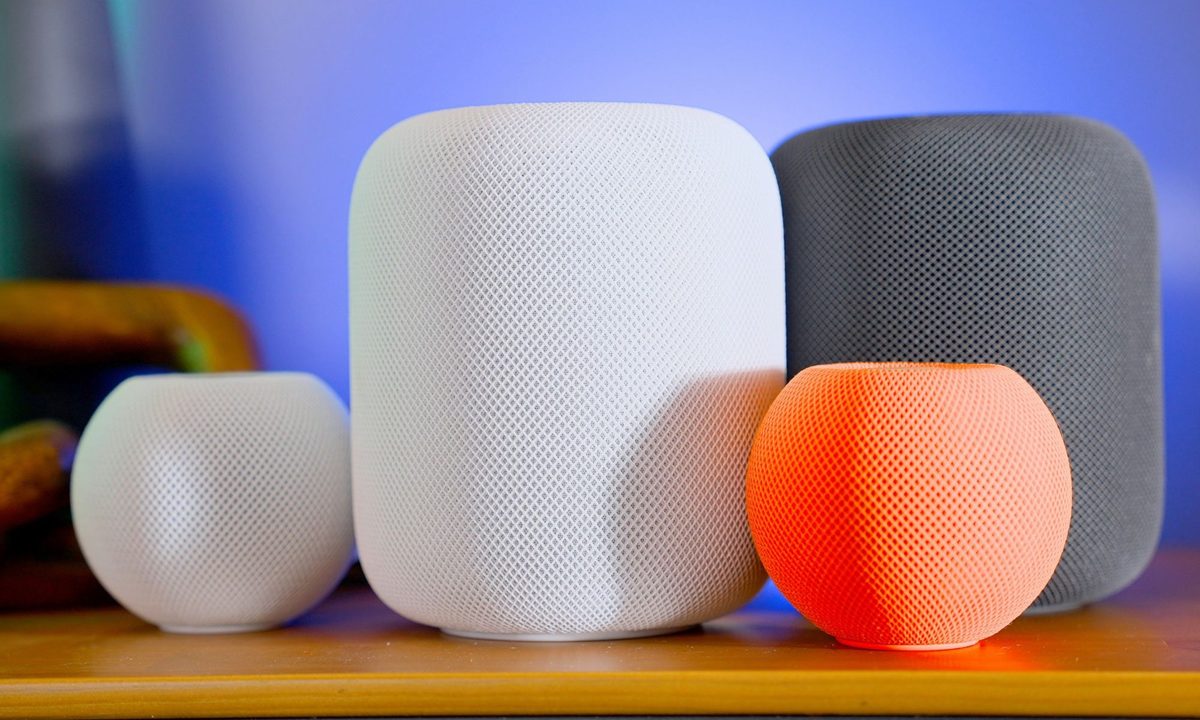
Apple’s smart home hardware lineup may finally be getting refreshed after years of relative silence. According to a new report from Mark Gurman, Apple is preparing updated versions of both the Apple TV set-top box and the HomePod mini, with launches currently planned for later this fall.
The timing is notable because Apple’s home-focused products have largely remained unchanged while rivals like Amazon and Google aggressively expanded their smart home ecosystems with AI-powered assistants and connected devices. Apple now appears ready to reposition its home products around the company’s next-generation Siri and Apple Intelligence strategy.
Apple’s smart home push is finally moving again
According to Bloomberg’s report, the new Apple TV hardware is essentially complete and nearly ready for release. Gurman says Apple had initially planned to launch the refreshed device earlier, but delays surrounding Siri and Apple Intelligence pushed the launch timeline further into 2026.
The updated Apple TV reportedly will not receive dramatic hardware changes externally, but internal upgrades are expected to be much more significant. Apple is said to be focusing heavily on AI readiness, including support for newer Siri capabilities and Apple Intelligence features that current Apple TV hardware cannot fully support.
One of the major expected upgrades is a newer chip replacing the aging A15 processor currently powering the Apple TV 4K. Gurman notes the existing model has started feeling slower compared to newer Apple hardware, making a refresh increasingly necessary.

The HomePod mini is also reportedly receiving an update, though Apple appears to be taking a more conservative approach with the smaller smart speaker. Bloomberg says the key change will involve support for Apple’s upgraded Siri and AI features through a newer wireless chip.
Apple’s broader smart home plans appear much larger than just these two devices. Gurman reports the company is still developing a delayed smart home hub featuring a display and facial recognition capabilities, alongside deeper AI integration across Apple’s ecosystem.
The company is also reportedly preparing AI-powered smart glasses and future Siri upgrades designed to function more like modern conversational AI assistants rather than traditional voice command systems.
Why this matters
Apple’s smart home ecosystem has increasingly felt stagnant compared to competitors. While Amazon Alexa and Google Assistant evolved into broader AI-powered ecosystems, Apple’s Siri and HomePod products struggled to keep pace.
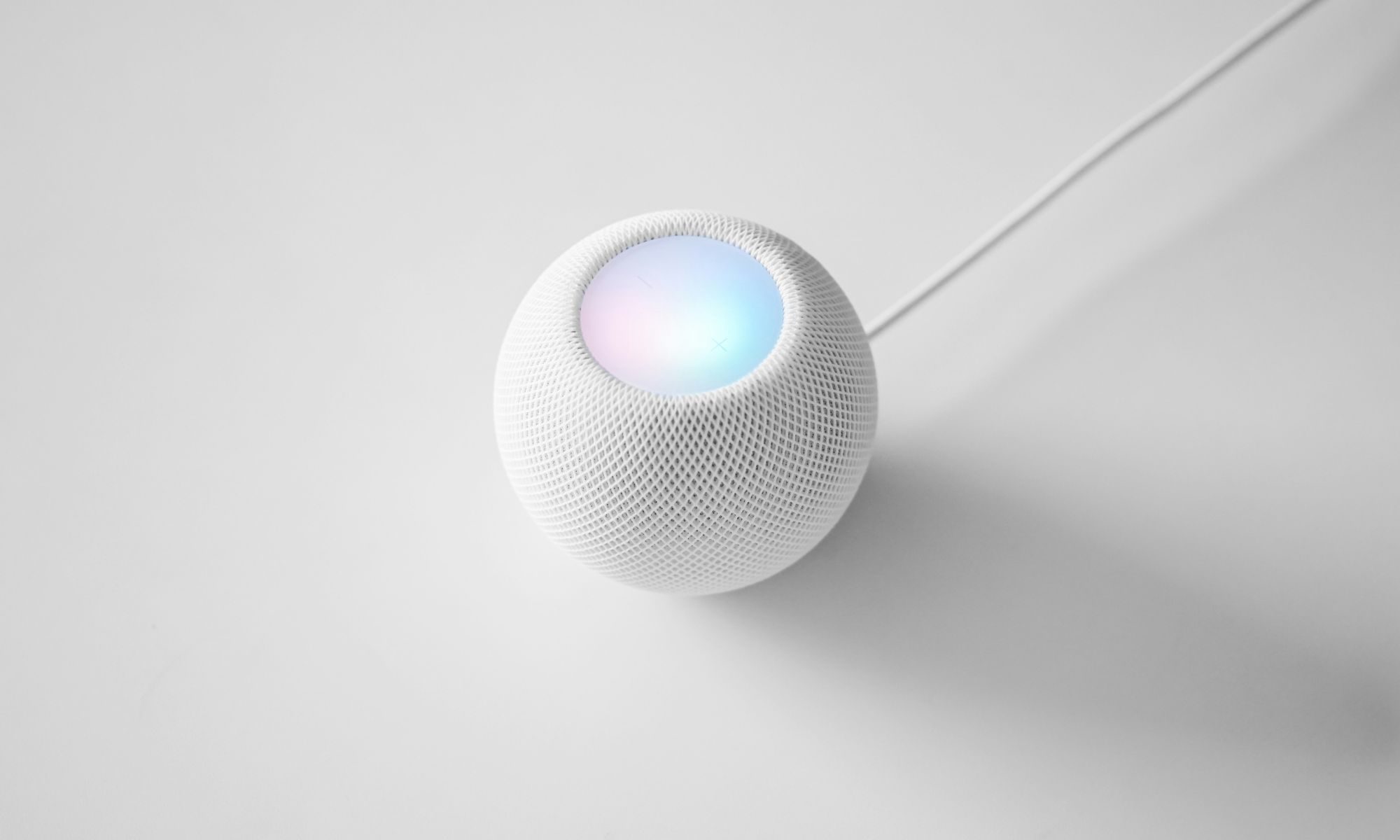
The new Apple TV and HomePod mini appear to represent Apple’s attempt to rebuild its smart home strategy around AI rather than simply releasing incremental hardware updates. For users already invested in Apple’s ecosystem, the upgrades could also matter because many future Siri and Apple Intelligence features may rely on newer chips and updated hardware.
What happens next
Apple is expected to reveal more about its AI roadmap during WWDC and later software announcements tied to iOS 27 and iOS 28. If Bloomberg’s report proves accurate, the updated Apple TV and HomePod mini could launch sometime this fall alongside Apple’s broader AI-focused software rollout.
The bigger challenge for Apple, however, may not simply be releasing new hardware. It will need to convince users that Siri and Apple Intelligence are finally capable of competing in a smart home market that has already moved far ahead during Apple’s years of delay.


