
Facebook has decided not to back down from its policy that allows political ads containing false or misleading information ahead of the 2020 U.S. election, choosing instead to allow users to see fewer political ads in their feed.
In an announcement on Thursday, Facebook shared a list of new ad tools that will roll out soon — and defended its stance on excluding politicians from the rules that prevent most advertisers from lying in an ad.
The announcement comes after Twitter said it would ban political ads entirely and Google said it would limit targeting for political ads. In essence, the company is doubling down on its choice to allow political campaigns to lie on the platform throughout the 2020 election. The social network will fact-check ads from political action groups, however.
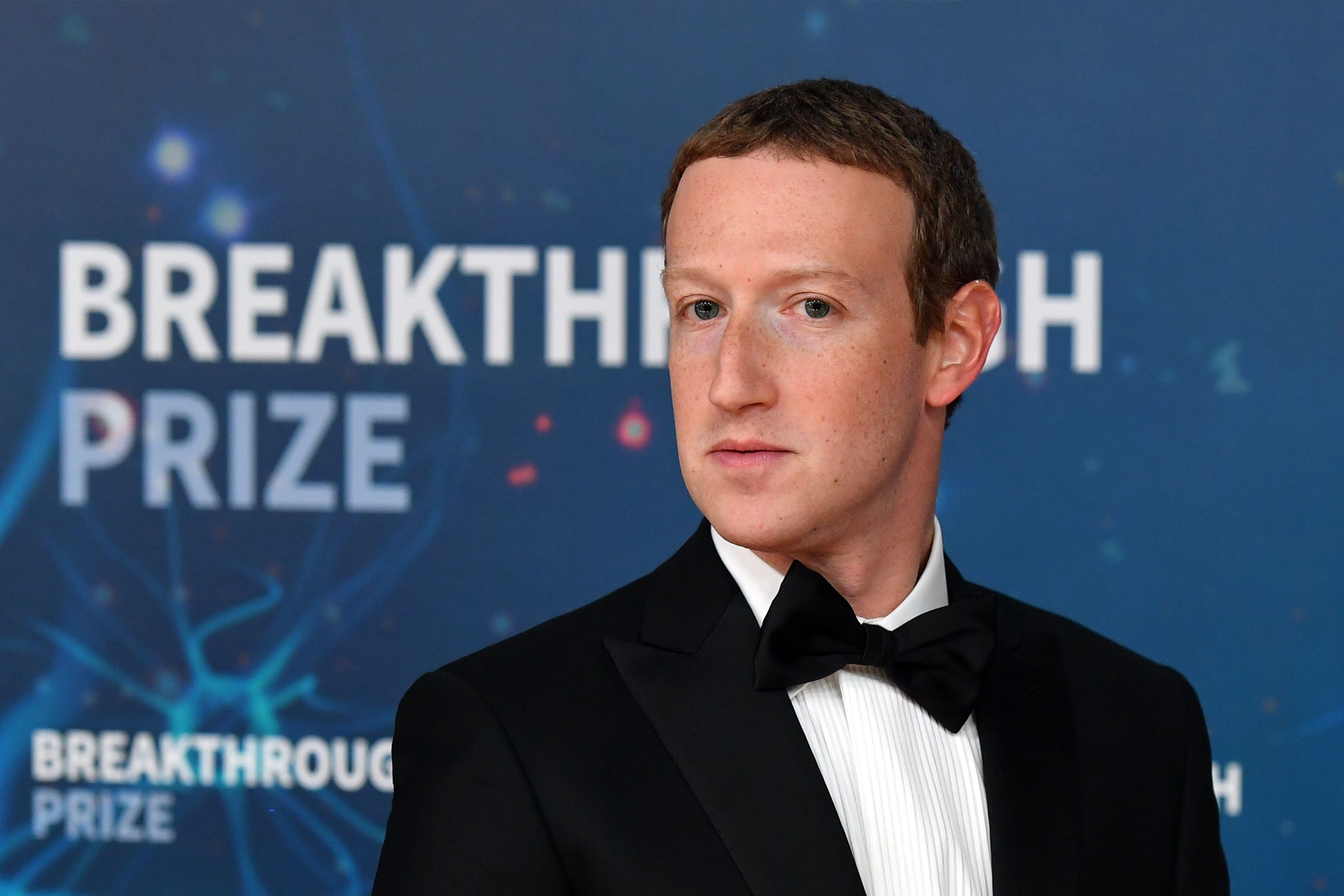
Facebook said new tools would allows users to choose to see fewer political and social issue ads, but not get rid of the ads entirely. The setting, which will apply across both Facebook and Instagram, will work similarly to existing tools that allow users to remove an interest from their ad targeting or to limit the ads on a certain topic. For example, Facebook labels users as conservative or liberal, using that data for ad targeting, but that label can be removed in the ad settings. Like those existing tools though, the update will allow users to block some, but not all, political ads.
The social media giant will also soon allow users to stop seeing ads from what’s called a Custom Audience list — a change that extends beyond just political ads. A Custom Audience list is a list of customer data that the company obtains and uploads — unlike a typical ad that’s based on the data that Facebook has obtained. These lists, which can be built from things like website cookies and email subscriptions, can be used to include or exclude users from seeing ads. Facebook says a new control will allow users to be excluded from these lists — or to prevent a company from excluding them from an ad using that list.
The upcoming expanded ad preferences will be joined by additional transparency tools, designed to allow voters to see what politicians are advertising. In the existing Ad Library, the targeted audience size will soon also be included with the data. Updated search tools and filtering will also make finding ads simpler.
The ability to choose to see fewer political ads is a welcome control for users — but may also be a bit of a Band-Aid on a wound that really requires stitches. Earlier this month, an ex-Cambridge Analytica employee turned data vigilante warned that elections are still open to the same kind of abuse her former company perpetrated. Cambridge Analytica, after eliciting user data without their permission, used that data to target ads for clients — including President Donald Trump’s campaign.
Facebook is also facing criticism for its decision to exclude politicians from a guideline that removes an ad if fact-checkers deem the information false. (Politicians must still follow other Community Guidelines against hate speech and voter manipulation, for example). Facebook’s Director of Product Management Rob Leathern reiterated CEO Mark Zuckerberg’s reason for the exclusion — namely, that allowing politicians to lie gives voters willing to do the research more data to judge that politician’s character by. Leathern also argued for more regulation on political ads, saying that private companies shouldn’t be the ones to make such decisions.
“In the absence of regulation, Facebook and other companies are left to design their own policies,” Leathern wrote. “We have based ours on the principle that people should be able to hear from those who wish to lead them, warts and all, and that what they say should be scrutinized and debated in public.”
The political ad controls will be available for users in the United States sometime this summer before rolling out to more countries. The updated ad tools will hit sometime in the first quarter of 2020, Facebook said.


