
Apple launched major updates to the MacBook Pro at its October Unleashed event, putting to bed many months of speculation surrounding the device. The company revealed an all-new 14-inch model starting at $1,999, alongside a refreshed 16-inch model that starts at $2,499.
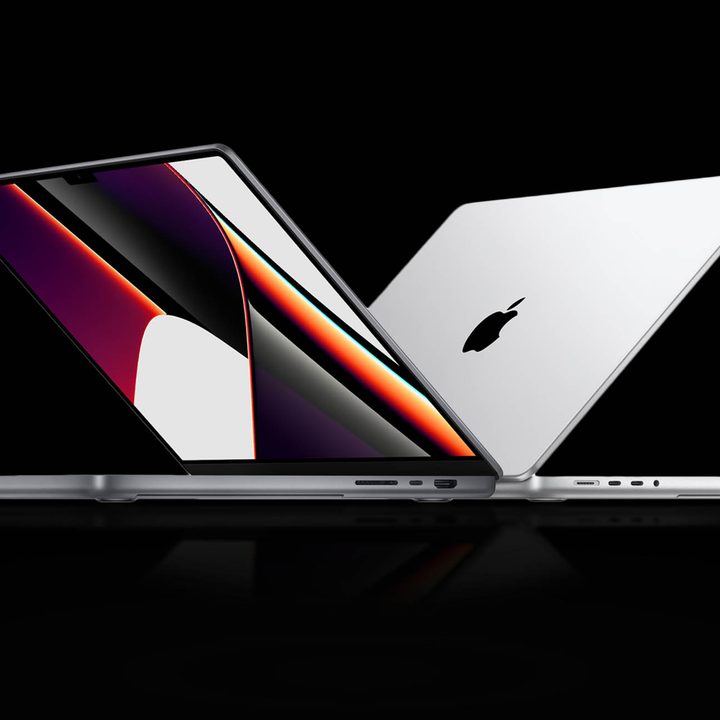
The update brings many features that have been long rumored to the 14-inch model. The most notable of them is the most obvious: The change in display size. The device’s bezels have been thinned down, allowing Apple to squeeze a 14-inch panel into the frame without increasing the laptop’s footprint. That should result in a more immersive experience while using the new MacBook Pro and bring it in line with other premium laptops.
Both MacBook Pros take on a flat-edged design, replacing the gentle curves of the older models, in a move that sees it adopt the same design language as Apple’s iPad Pro. That also brings it in line with the iMac and the iPhone 13, which both use a right-angled chassis, and means Apple’s devices are nearly united in embracing this design style.
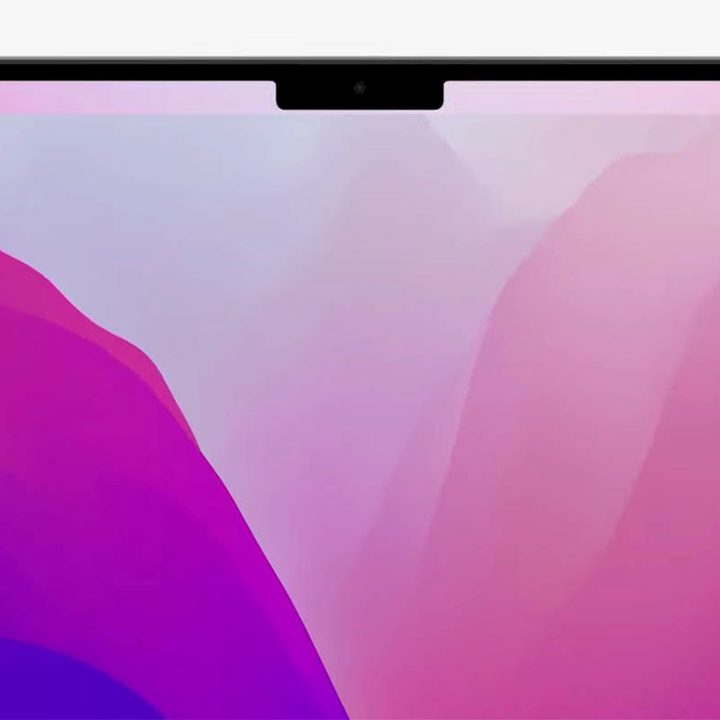
Potentially a source of controversy, the MacBook Pro display now features a notch, much like the iPhone 13. Apple says this allows it to move the menu bar more out of your way.
The tech powering the MacBook Pro’s display is also new. Apple calls it a “Liquid Retina XDR” display, using the same branding as it does for the M1 iPad Pro. The name is not the only parallel, though, as Apple has ported the same mini-LED technology from its tablet to its professional laptop. The company says this brings “exceptional precision” to pro work, with up to 1,000 nits of sustained brightness and a 120Hz refresh rate thanks to ProMotion technology. This adaptively changes the display refresh rate, saving battery when required and bringing faster refresh rates when performance is key.
Top-end performance in a notebook

Inside, the MacBook Pro includes the new M1 Pro chip, which brings a greater core count and enhanced graphics to the table. It can support up to 32GB of memory now, and packs in 10 CPU cores and 16 GPU cores. Apple also unveiled the M1 Max chip, offering even more power than the M1 Pro.
Apple says the new MacBook Pro can be configured with up to 64GB of unified memory and offers two times faster CPU performance than the previous-generation MacBook Pro with an Intel Core i9 chip.
Audio has also been improved, with a six-speaker system that brings 80% more bass and goes half an octave lower than the previous MacBook Pro.
A major improvement, especially for professional users or those with many peripherals, is the broader variety of ports now available on the MacBook Pro. Instead of sticking solely with Thunderbolt, Apple now offers an HDMI port, an SD card slot, and a magnetic MagSafe charging port, in addition to Thunderbolt. And, like the 24-inch iMac, the webcam has been upgraded from 720p to 1080p, helping make your video calls that much clearer and crisper.


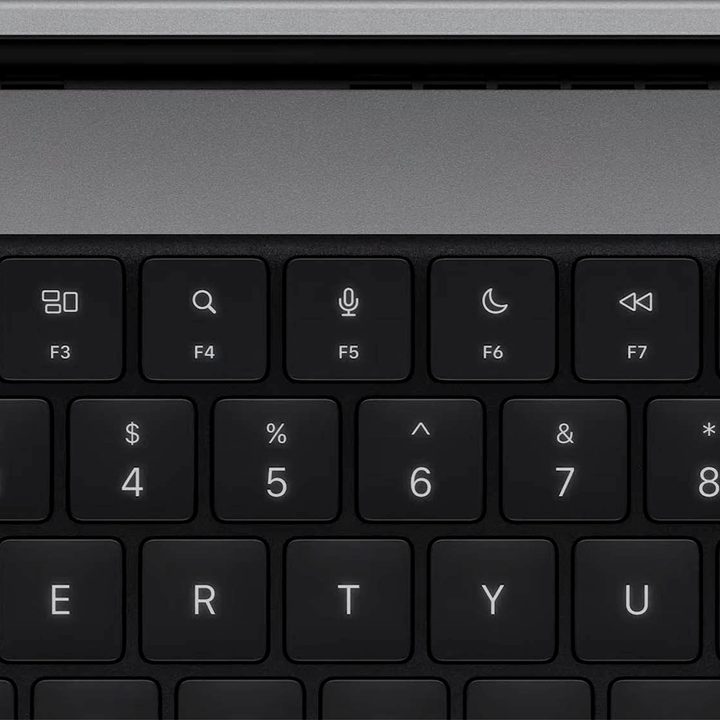
And yet, for everything the MacBook Pro 14 includes, one of its most notable changes concerns what it omits. The Touch Bar, a stalwart of every MacBook Pro since 2016 — and a deeply divisive tool that never reached its potential — is gone. Like the MacBook Air, the MacBook Pro 14 now features a simple row of Function keys, with a Touch ID button on the right. It’s unlike Apple to give up on something it believes in, but this was one feature it evidently could not stick with.
This is a breaking story. We will update with details as they are announced.


