1. Home
  2. Mobile
  3. Legacy Archives

IDC predicts promising future for Windows Phone 7

Add as a preferred source on Google

wp7 futureDespite the mess it made of the Windows Phone 7 update, there is some good news for Microsoft on the horizon. The International Data Corporation (IDC) announced today that it believes the Windows Phone 7 could become the second most popular mobile OS worldwide by 2015, second only to Android.

Seem like a bold prediction? That’s because it is. Microsoft still has a lot of balls up in the air with Windows Phone 7: The Nokia merger is still relatively fresh and flexible, the first crucial update was anything but smooth (hint: It’s not a good sign when a company apologizes for what should be a simple firmware upgrade), and we’ve still yet to hear any concrete sales (not shipment) numbers.  That said, Windows Phone 7 is not a failure — and the IDC seems to believe that it will be able to displace some of its more veteran competitors in the next four years. The forecast also claims that the Windows Phone platform will retain a 20.9-percent market share.

Recommended Videos

The organization also seems to have quite a bit of confidence in the Nokia-Microsoft merger. “The new alliance brings together Nokia’s hardware capabilities and Windows Phone’s differentiated platform. We expect the first devices to launch in 2012.” The business deal between the two companies has been subjected to harsh criticism; its success has not been labeled a sure thing.

But all skepticism aside, it’s an exciting notion. Seeing a new platform make its way to the top a la Android would mean new innovation from the Windows Phone and perhaps spur some creative competition from the likes of Apple and RIM. The phone had a rocky, yet promising start – and if it can pull this one out and become a true challenger, we’re all for it.

Molly McHugh
Former Social Media/Web Editor
Before coming to Digital Trends, Molly worked as a freelance writer, occasional photographer, and general technical lackey…
Snapchat Planets: What’s the order, and what do they mean?
Snapchat Planets turns your best friends list into a solar system, and yes, your orbit says a lot
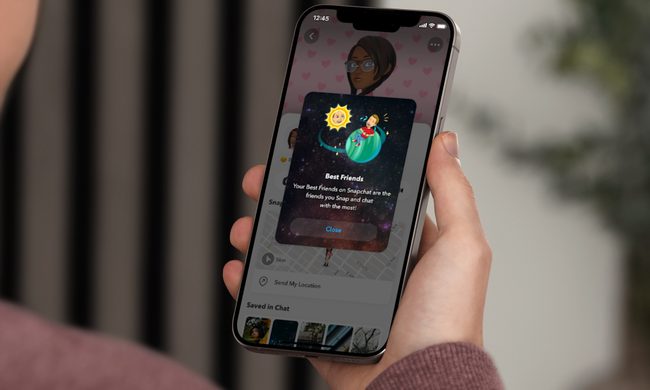
Snapchat Planets being shown on the Snapchat app on iPhone.

Snapchat is already packed with little symbols that can be weirdly hard to decode. You have streaks, emojis, badges, scores, Best Friends, and if you use Snapchat Plus, a tiny solar system that shows where you sit in someone’s closest-friends list.

The feature is called Friend Solar System, though most people just call it Snapchat Planets. It takes your position in a friend’s Snapchat orbit and turns it into a planet. From Mercury to Neptune, these celestial bodies signify how close a person is to you.

Read more
How to use WhatsApp Web
We'll show you how to use WhatsApp on your desktop or laptop
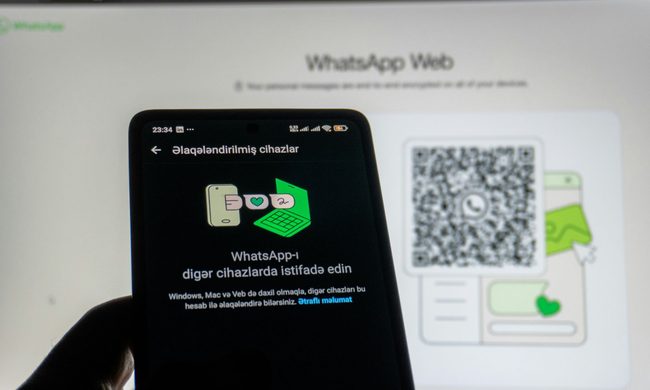
WhatsApp Web

As one of the most popular messaging services, you’ve already heard of WhatsApp. From its humble beginnings in 2009—two years before Apple introduced iMessage—to its acquisition by Facebook (now Meta) in 2014, WhatsApp has become the dominant messaging platform around the globe.

In recent years, it's grown even more potent with new features like video messages, self-destructing voice messages, the ability to edit sent messages, and more. We even finally got an WhatsApp iPad app in May 2025.

Read more
What is WhatsApp? How to use the app, tips, tricks, and more
From setting it up to mastering hidden features, here is your complete guide to WhatsApp.
WhatsApp app store listing open on iPhone

There's no shortage of messaging apps out there. The past decade has given us more options than we know what to do with, largely because smartphones demanded something better than plain old SMS.

Both the App Store and the Play Store are packed with apps that promise to revolutionize the way we communicate. Most of them didn't make it. The truth is, a messaging app is only as good as the number of people using it, and most apps never cross that threshold.

Read more