1. Home
  2. Mobile
  3. Legacy Archives

Kindle sales will be 10 percent of Amazon’s business in 2012, says Citi analyst

Add as a preferred source on Google
amazon-kindle
Image used with permission by copyright holder

Sales related to Amazon’s Kindle ereader will soon account for a full 10 percent of all sales made through the e-commerce giant, reports Citigroup Internet analyst Mark Mahaney in a research note that went out to investors earlier today.

Amazon is currently on track to sell about three times as many Kindle devices in 2011 as it did last year. Mahaney estimates that Amazon will sell 17.5 million Kindle units this year alone, which will account for $2.1 billion in revenue. He also expects Amazon to dole out 314 million e-books, up from 124 million in 2010, to make $1.7 billion in revenue. That will equal roughly 8 percent of Amazon’s total revenue for 2011.

kindle-ebooks-chart
Image used with permission by copyright holder

Next year, the numbers only go up. The quantity of Kindles sold will jump to 26 million, with e-book sales surging to a staggering total of 751.5 million for 2012. Mahaney says Kindle book sales will generate more revenue, about $3.7 billion, than Kindle devices themselves, which he says will bring in about $2.4 billion. Combined, Kindle-related sales will account for roughly $6.1 billion in revenue, which will make up 10 percent of Amazon’s total yearly revenue for 2012.

Recommended Videos

The jump in both Kindle sales and ebook sales will be boosted by a sub-$100 Kindle, which Mahaney says Amazon will release before the end of this year.

These numbers follow a recent report that Amazon now sells more Kindle books than print books. For every 100 analog books sold, Amazon says it sells 105 Kindle books. The company currently has more than a million titles in its repertoire.

Amazon says that the Kindle has accounted for the fastest year-on-year growth rate for Amazon’s US books business in 10 years.

“We had high hopes that this would happen eventually, but we never imagined it would happen this quickly—we’ve been selling print books for 15 years and Kindle books for less than four years,” said Amazon.com founder and CEO Jeff Bezos, in a statement. “We’re grateful to our customers for continuing to make Kindle the bestselling ereader in the world and the Kindle Store the most popular e-bookstore in the world.”

Andrew Couts
Features Editor for Digital Trends, Andrew Couts covers a wide swath of consumer technology topics, with particular focus on…
Topics
Snapchat Planets: What’s the order, and what do they mean?
Snapchat Planets turns your best friends list into a solar system, and yes, your orbit says a lot
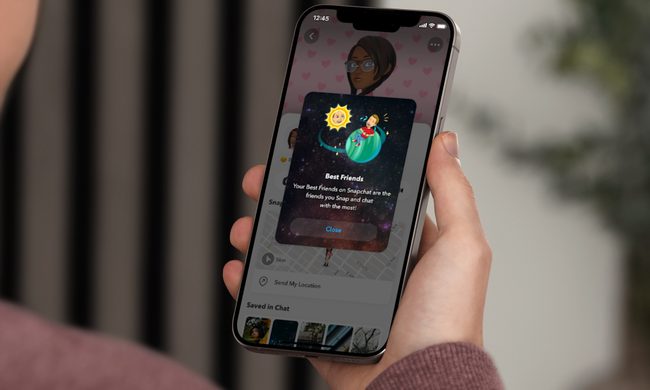
Snapchat Planets being shown on the Snapchat app on iPhone.

Snapchat is already packed with little symbols that can be weirdly hard to decode. You have streaks, emojis, badges, scores, Best Friends, and if you use Snapchat Plus, a tiny solar system that shows where you sit in someone’s closest-friends list.

The feature is called Friend Solar System, though most people just call it Snapchat Planets. It takes your position in a friend’s Snapchat orbit and turns it into a planet. From Mercury to Neptune, these celestial bodies signify how close a person is to you.

Read more
How to use WhatsApp Web
We'll show you how to use WhatsApp on your desktop or laptop
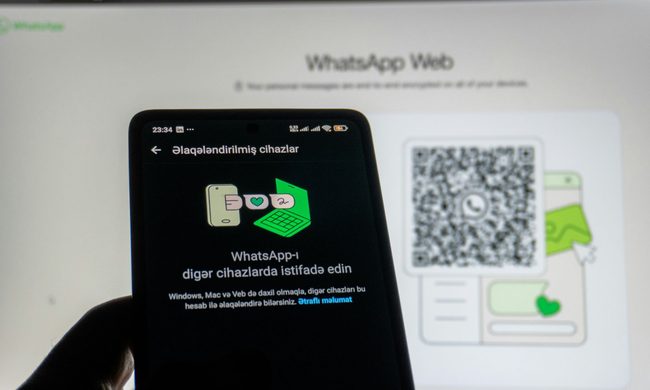
WhatsApp Web

As one of the most popular messaging services, you’ve already heard of WhatsApp. From its humble beginnings in 2009—two years before Apple introduced iMessage—to its acquisition by Facebook (now Meta) in 2014, WhatsApp has become the dominant messaging platform around the globe.

In recent years, it's grown even more potent with new features like video messages, self-destructing voice messages, the ability to edit sent messages, and more. We even finally got an WhatsApp iPad app in May 2025.

Read more
What is WhatsApp? How to use the app, tips, tricks, and more
From setting it up to mastering hidden features, here is your complete guide to WhatsApp.
WhatsApp app store listing open on iPhone

There's no shortage of messaging apps out there. The past decade has given us more options than we know what to do with, largely because smartphones demanded something better than plain old SMS.

Both the App Store and the Play Store are packed with apps that promise to revolutionize the way we communicate. Most of them didn't make it. The truth is, a messaging app is only as good as the number of people using it, and most apps never cross that threshold.

Read more