  1. Home
  2. Emerging Tech
  3. Mobile
  4. Legacy Archives

HP in talks to license webOS

Add as a preferred source on Google
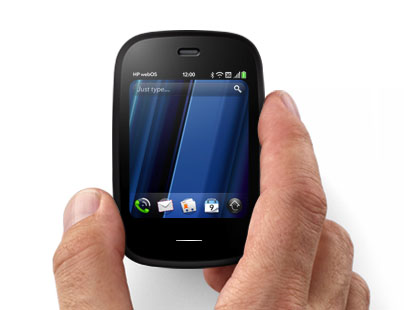
HP Veer 4G (hand)
Image used with permission by copyright holder

When HP acquired Palm for $1.2 billion back in 2010, everyone knew the takeover was about Palm’s webOS rather than its struggling smartphone business. Now, both HP CEO Leo Apotheker and HP’s Palm business unit head Jon Rubenstein have confirmed that HP is in talks with other companies about licensing out webOS so they can make their own webOS devices—and one of the companies in question is Samsung.

Apotheker confirmed to Bloomberg that HP is having discussions with “a number of companies” that have expressed interest in licensing webOS, while indicating that the company does not feel is is under any significant time pressure to execute a licensing deal and expand the webOS ecosystem. Bloomberg cites three anonymous sources with knowledge of the discussions that Samsung is one of the companies involved in webOS talks, although neither Apotheker nor Samsung would not comment.

Recommended Videos

In the meantime, former Palm CEO—and now HP’s top Palm exec—Jon Rubenstein told This is my next that HP is more interested in an ecosystem partner that will be a full participant in the webOS platform, rather than an company that decides to make some webOS devices alongside devices running Android, Windows Phone, or other platforms. Rubenstein indicated HP would be OK with webOS partners that also dabbled in other mobile platforms, but would want webOS to be a primary focus.

Licensing webOS to invested partners could be a smart move for the platform: HP is only now launching the TouchPad, its first webOS-based tablet, more than a year after acquiring Palm, and has barely begun pushing webOS smartphones with the diminutive Veer. Licensing out webOS could be a quick way to expand the platform’s ecosystem and build it to a point where it could become a serious contender; it could also help bolster HP’s bottom line, which has taken a bit of a hit from slumping PC sales as consumers opt for tablet devices rather than inexpensive PCs.

On the other hand, a licensing deal that produced sub-par webOS devices—or with partners that treated webOS as an afterthought—could significantly hobble the platform, giving it a credibility gap next to the likes of iOS and Android that it might take years go overcome.

Geoff Duncan
Former Contributor
Geoff Duncan writes, programs, edits, plays music, and delights in making software misbehave. He's probably the only member…
Everything is not okay with DuckDuckGo and its AI
A coordinated Reddit campaign appears to have tricked multiple AI search assistants into spreading false information.
The DuckDuckGo logo.

DuckDuckGo has built its reputation on privacy-first search, but this week, its AI assistant landed in hot water for an entirely different reason. Apparently, Duck.ai confidently claimed that U.S. President Donald Trump had died of rabies earlier this month, complete with fabricated details about Vice President JD Vance, Robert F. Kennedy Jr., and fake supporting news reports. None of it was true.

A fake Reddit campaign managed to fool Duck's AI

Read more
Stanford scientists built an AI that can design healthier, greener burgers
The new system balances nutrition, taste, cost, and environmental impact to create better recipes.
Burger, Food, Food Presentation - Man picking a burger

Artificial intelligence has already helped write code, discover drugs, and generate videos. Now, it's trying to make a better burger. Researchers at Stanford University have unveiled BurgerAI, a new AI system that designs burger recipes by balancing taste, nutrition, sustainability, and cost. The surprising part? In blind taste tests, diners liked some of the AI-created burgers just as much as, and in some cases more than, a popular fast-food burger.

BurgerAI is designed to invent recipes, not copy them

Read more
OpenAI reveals its most advanced GPT-5.6 model, but you can’t access it yet
GPT-5.6 brings new reasoning, autonomy, and cybersecurity capabilities, but its rollout is currently limited to government-approved customers.
OpenAI ChatGPT 5.6 Sol Terra Luna Announced

OpenAI has officially taken the wraps off GPT-5.6, its most advanced family of AI models to date. There's just one catch: unless you're one of a handful of approved customers, you won't be able to try it anytime soon. Instead of a broad launch, the company is beginning with a tightly controlled preview while it works through a new U.S. government review process.

GPT-5.6 is here, but only a few people can use it

Read more