  1. Home
  2. Mobile
  3. Legacy Archives

Microsoft adds Acer and ViewSonic to Android licensees

Add as a preferred source on Google
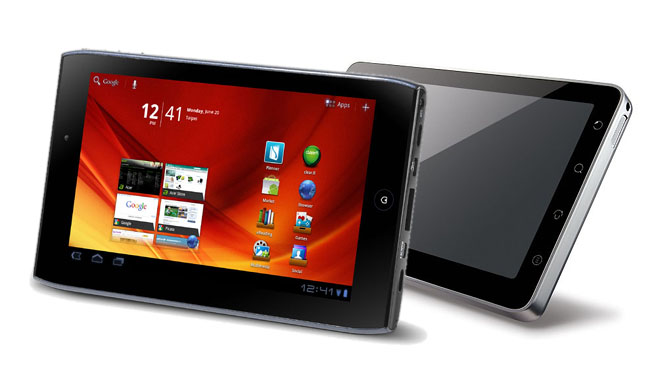
Acer Iconia Tab, Viewsonic ViewTab 7
Image used with permission by copyright holder

Acer and ViewSonic are the latest companies to execute patent licensing agreements with Microsoft to protect their Android smartphones and tablet devices from litigation in the event Microsoft ever decides to take Google to court for patent infringement. Terms of the agreements were not disclosed, but ViewSonic will explicitly be paying royalties to Microsoft to cover Android tablets and mobile phones. The announcement of a license agreement with Acer contains no language about royalties, potentially indicating Acer may have executed a patent swap with Microsoft that doesn’t involve cash—or maybe Acer is just playing closer to its vest.

In boilerplate text, Microsoft’s deputy general counsel Horacio Gutiérez indicated he was pleased both companies were “taking advantage of our industrywide licensing program established to help companies address Android’s IP issues.”

Recommended Videos

Microsoft doesn’t make Android, but it seems to be making good money off it: Microsoft’s first Android-related patent license deal was with HTC, and the company has recently executed patent licensing deals with Velocity Micro, Onkyo, and Itronics as well as Wistron—the latter agreement covers Google Chrome, not just Android. Microsoft has also been applying pressure to other Android device manufacturers, with reports indicating the company has demanded Samsung pay Microsoft $15 per Android device sold.

If Microsoft’s intellectual property campaign succeeds, the Redmond software giant will succeed in not only turning Android into a bit of a profit center for the company, but will further tarnish Android’s self-positioning as a “free and open” operating system—which, in turn, could create a market opening for Microsoft’s own Windows Phone platform, particularly amongst organizations and enterprises who don’t want to be left out in the cold if someone—whether Apple, Oracle, or Microsoft—can kick the legs out from under Android.

Geoff Duncan
Former Contributor
Geoff Duncan writes, programs, edits, plays music, and delights in making software misbehave. He's probably the only member…
Snapchat Planets: What’s the order, and what do they mean?
Snapchat Planets turns your best friends list into a solar system, and yes, your orbit says a lot
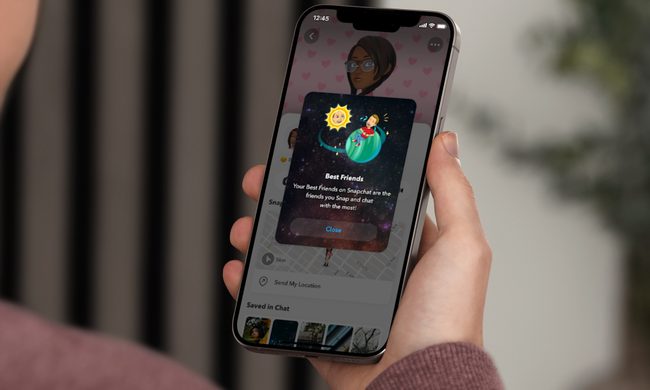
Snapchat Planets being shown on the Snapchat app on iPhone.

Snapchat is already packed with little symbols that can be weirdly hard to decode. You have streaks, emojis, badges, scores, Best Friends, and if you use Snapchat Plus, a tiny solar system that shows where you sit in someone’s closest-friends list.

The feature is called Friend Solar System, though most people just call it Snapchat Planets. It takes your position in a friend’s Snapchat orbit and turns it into a planet. From Mercury to Neptune, these celestial bodies signify how close a person is to you.

Read more
How to use WhatsApp Web
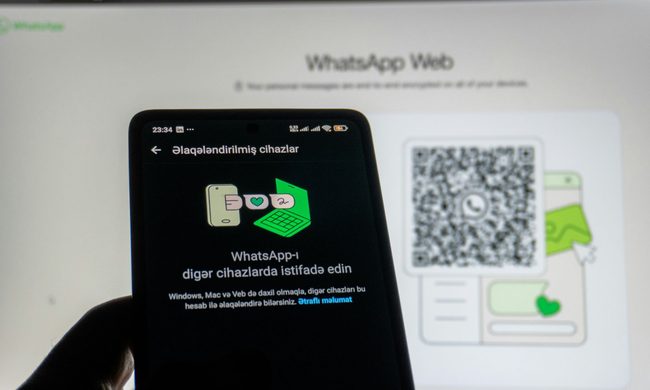
We'll show you how to use WhatsApp on your desktop or laptop
WhatsApp Web

As one of the most popular messaging services, you’ve already heard of WhatsApp. From its humble beginnings in 2009—two years before Apple introduced iMessage—to its acquisition by Facebook (now Meta) in 2014, WhatsApp has become the dominant messaging platform around the globe.

In recent years, it's grown even more potent with new features like video messages, self-destructing voice messages, the ability to edit sent messages, and more. We even finally got an WhatsApp iPad app in May 2025.

Read more
What is WhatsApp? How to use the app, tips, tricks, and more
From setting it up to mastering hidden features, here is your complete guide to WhatsApp.
WhatsApp app store listing open on iPhone

There's no shortage of messaging apps out there. The past decade has given us more options than we know what to do with, largely because smartphones demanded something better than plain old SMS.

Both the App Store and the Play Store are packed with apps that promise to revolutionize the way we communicate. Most of them didn't make it. The truth is, a messaging app is only as good as the number of people using it, and most apps never cross that threshold.

Read more