
The EU lawmakers have approved a new mandate that will require a wide range of electronic devices to adopt the USB–C standard for charging. The European Parliament’s overwhelming decision covers everything from smartphones and laptops to digital cameras and headphones.
The first key takeaway? Adios, Lightning port! You won’t be missed. The EU’s updated rule, which comes into effect in 2024, is premised on the hope that by standardizing the charging port, customers will no longer have to spend money on proprietary chargers covering Apple’s Lightning port on iPhones and Microsoft’s Surface Connect socket for laptops.
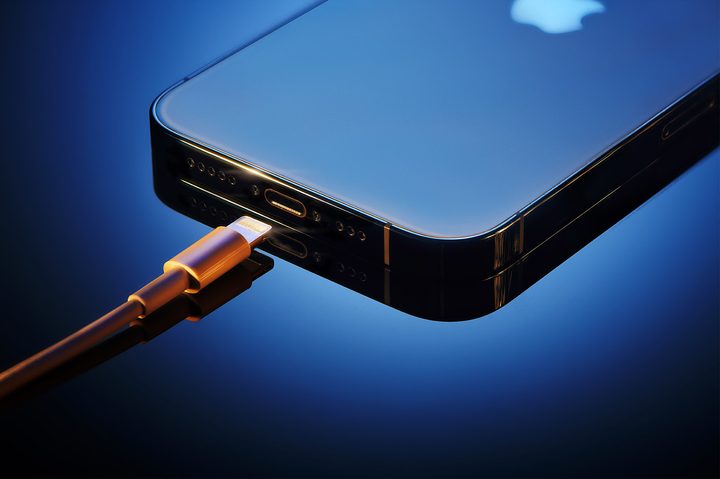
From a customer’s perspective, it’s a landmark decision that will ease the burden on every buyer’s wallet. In doing so, Earth’s environmental burden of the mounting e-waste problem will also ease. But before we dig into the details, it is important to know the devices that are covered under the EU’s USB-C ruling. Take a look:
Covered: Smartphones, tablets, video game consoles, cameras, headphones, and headsets.
Exempted: Earbuds, smartwatches, and fitness trackers.
It reads scary, but don’t worry!
The likes of Apple and Samsung – which have removed chargers and earphones from phone retail packages in the name of environmental protection – should have no problem acclimatizing to the change. However, there is one piece of information in the press release that was frighteningly bewildering. Here it is:
“All devices that support fast charging will now have the same charging speed, allowing users to charge their devices at the same speed with any compatible charger.”
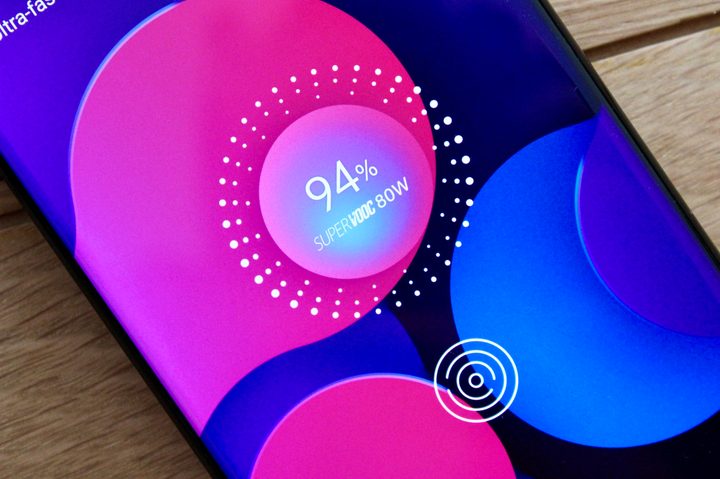
It seems as if the EU not only wants to standardize the USB-C port and adopt a one-charger-fits-all policy, it also seeks to harmonize the charging speed. More specifically, fast charging. If that sounds worrisome, let me put it in clear words: Do not worry!
In an emailed response to Digital Trends, EU Press Officer Yasmina Yakimova cleared that the new rule is “not legislating on the speed limits.” Instead, it just wants to make sure that manufacturers aren’t “limiting the charging speed unjustifiably and to ensure that the charging speed is the same when using any compatible device.”
The solution to those concerns? USB-PD — aka Power Delivery. For all the devices covered under the new rule, USB-PD support is now mandatory. So, does that mean other charging protocols will be banned? No. Instead, the EU makes it abundantly clear that “other charging protocols are still allowed provided that they do not impede the full functionality of the common harmonized solution.”
Everyone wins
Moving forward, every device will carry a detailed label that will reveal two critical pieces of information. First, it will clearly tell users how much power (in watts) is required to charge it optimally. This “optimal” charging number is the baseline for offering a no-compromise experience.
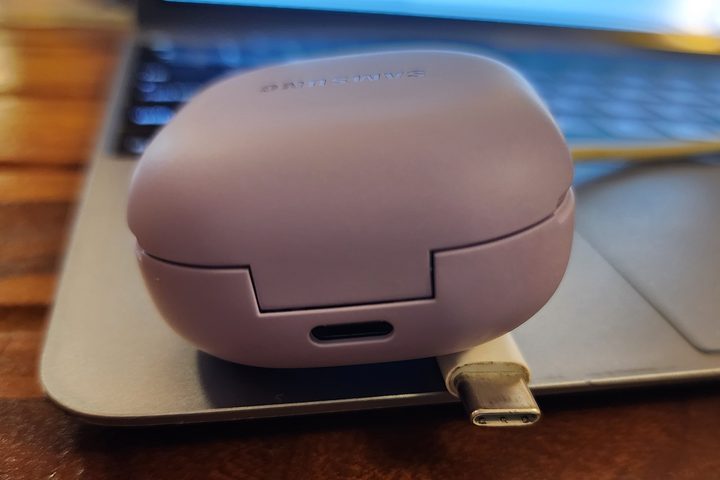
However, if the device supports fast charging, the label will inform users about it. The prerequisite is that the fast charging experience must be delivered via a USB-C port. So, if a brand like Xiaomi has developed 120W charging, it will continue to be on the table.
Xiaomi, or any other brand for that matter, won’t be forced to abandon their proprietary fast charging technology and lose its competitive edge against rivals like Samsung and Apple. The only key criterion is that the brand in question must support the USB-PD standard on its phones, or any other eligible device.
“The proposal aims to enable consumers to easily compare the charging performance and interoperability of the electronic device and the charger, and match them as appropriate,” says a Q&A section on the European Commission’s website.
In a nutshell, if a company doesn’t impede or go below the minimum USB-PD ratings outlined by the EU for a product, it can develop and sell faster-charging gear for its products. The rule won’t stifle innovation, and the average buyer will now have clear information about the charger capabilities of their next device.


