
Apple’s Vision Pro headset could be one of the company’s most advanced high-tech devices in years, stuffed to the gills with futuristic tech that far surpasses anything even the best VR headsets can produce. From the flashy demos to the highly positive feedback from developers, it’s clear that Apple is making a pretty remarkable device.
Yet despite all that, there’s a problem. Not only will Vision Pro be incredibly expensive — expect to pay a whopping $3,500 — but Apple hasn’t announced an alternative headset with a more palatable price tag.
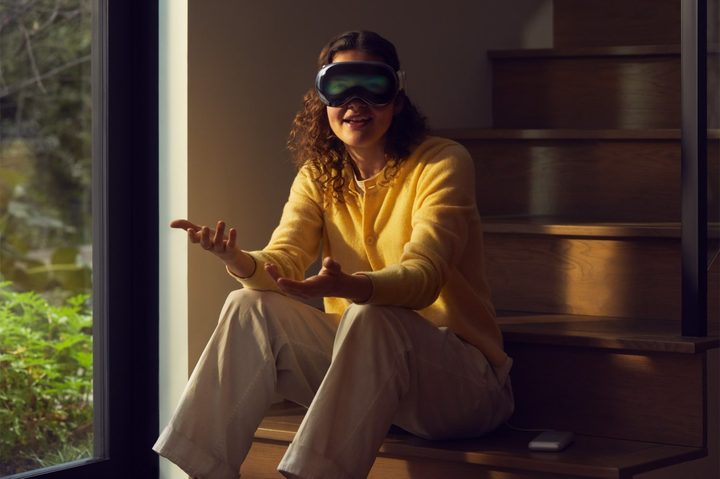
Sure, a cheaper version is rumored to be in the works, but we’re not expecting that until late 2025 at the very earliest. For almost two years, there will only be one game in town.
So, when Vision Pro launches in early 2024, either you will have to scrape up the cash or, more likely, Apple’s headset will be hopelessly out of reach for you and the majority of its potential customers. Apple is severely limiting the product’s reach and threatening to repeat one of its biggest mistakes in recent years.
History repeats itself
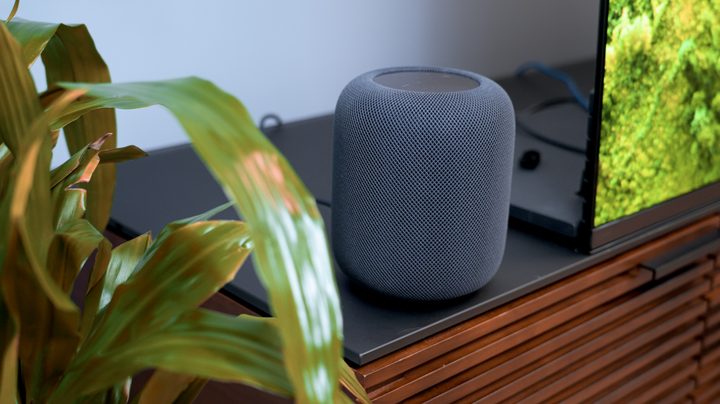
This situation is eerily similar to what happened in 2018 with another Apple product: the original HomePod. This high-end speaker boasted incredible audio specs, but was wincingly expensive, even considering everything it could do. Like the Vision Pro, Apple didn’t offer a more affordable HomePod, so you were left to choose between a costly device and nothing at all. In the end, hordes of people opted for the latter.
With rumors swirling of poor sales, it seemed that average users didn’t care as much about the premium sound quality as they did about having a decent, inexpensive speaker. When Apple eventually offered one in the form of the HomePod mini, it sold so well that the company ditched the original HomePod altogether. Even though a second-gen HomePod did eventually come out, there’s no question that it’s overshadowed by its smaller sibling.
My concern is that the same experience could play out once again with Vision Pro. By setting the price so high, Apple risks hamstringing its own product until a cheaper alternative arrives to save the day. But if that happens, how many customers are going to fork out $3,500 on a high-end headset when the toned-down version does the job perfectly well for the majority of users?
It’s unlikely Apple will ditch the high-end Vision Pro altogether — after all, rumors have claimed a second-generation flagship model is already being developed. But Apple’s focus here is apparently on reducing the size and weight, not on cutting the cost. Either Apple is extremely confident or sorely misguided.
Not learning from the past

There’s a reason why Vision Pro is so painfully expensive. Apple’s approach is to make the best product it can, and in this case, it’s done just that. The Vision Pro is far more advanced than rival headsets. In fact, reports have suggested it cost so much to research and produce that Apple will hardly make any profit on it at all, even with its $3,500 price tag.
Apple is betting that customers will be so blown away by its headset that they will overlook any price concerns. Often, this attitude works well. After all, iPhones are getting more expensive, but continue to sell in phenomenal numbers.
But it’s a different kettle of fish when you’re talking about a $3,500 niche product versus a $1,000 iPhone 15 Pro. One is a device you might pick up and use a few times a week, while the other is something you’ll interact with multiple times every single day. Convincing people to spend $1,000 on the latter isn’t so hard; doing the same when the former costs $3,500 definitely will be.
The next few years are going to be absolutely crucial for Apple’s shiny new headset. In the period between the Vision Pro’s launch and its cheaper sibling hitting the shelves, we’ll learn just how much customers are willing to stomach that $3,500 price tag. If they’re reluctant to bite, we could see the HomePod’s history repeating itself all over again.


