
The company behind ChatGPT and GPT-4 has dropped its CEO and co-founder, Sam Altman. According to a blog post from OpenAI: “Mr. Altman’s departure follows a deliberative review process by the board, which concluded that he was not consistently candid in his communications with the board, hindering its ability to exercise its responsibilities. The board no longer has confidence in his ability to continue leading OpenAI.”
Those sound like some serious allegations, despite being intentionally vague. The timing of a later afternoon blog post on Friday make the announcement even more eyebrow-raising. There’s been plenty of speculation about the reason behind the sudden departure, but nothing clear has risen to the surface just yet.
Altman has since posted on X (formerly Twitter) with the following response: “i loved my time at openai. it was transformative for me personally, and hopefully the world a little bit. most of all i loved working with such talented people. will have more to say about what’s next later.”
The response doesn’t address any of the comments made in the blog post, but does hint that Altman might already have something new in the works.
Altman’s post was followed by Greg Brockman, the President of OpenAI, who announced he’d be stepping down in light of the news.
Shortly after the announcement, former Google CEO Eric Schmidt posted on X in support of Altman, saying, “I can’t wait to see what he does next.”
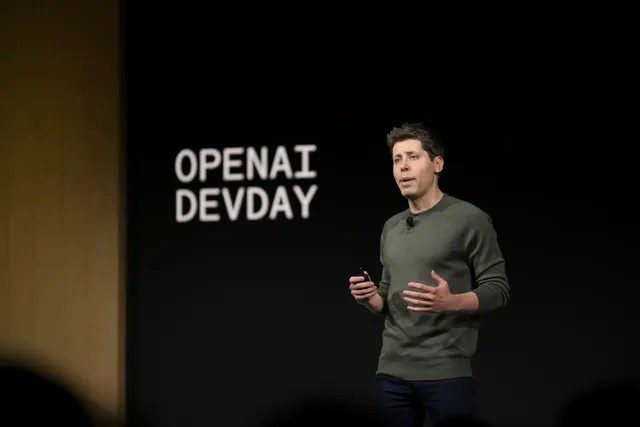
The abrupt announcement comes just a day after he spoke at the APEC AI forum and a week after Altman was onstage announcing a slew of new ChatGPT features at its first-ever developer conference, including GPT-4 Turbo and custom GPTs.
In place of Altman, the Chief Technology Officer Mira Murati will serve as the interim CEO, though OpenAI says a search is currently in progress to find a permanent replacement. Murati previously worked at Tesla and has been at OpenAI since 2018.
The news is significant as Altman was not just a CEO, but a very visible face for OpenAI and for the future of AI as a whole.
A report from The Information claims that a staff meeting was held by Murati, who affirmed staff that the company’s relationship with Microsoft was stable. According to the report’s source, Microsoft CEO Satya Nadella and CTO Kevin Scott communicated “utmost confidence” in OpenAI following the announcement.
Nadella has since posted publicly in support of continued partnership with OpenAI, saying, “We have a long-term agreement with OpenAI with full access to everything we need to deliver on our innovation agenda and an exciting product road map; and remain committed to our partnership, and to Mira and the team.”


