  1. Home
  2. Phones
  3. Mobile
  4. News

Samsung is going all-in on Snapdragon chips for the Galaxy S25

Add as a preferred source on Google
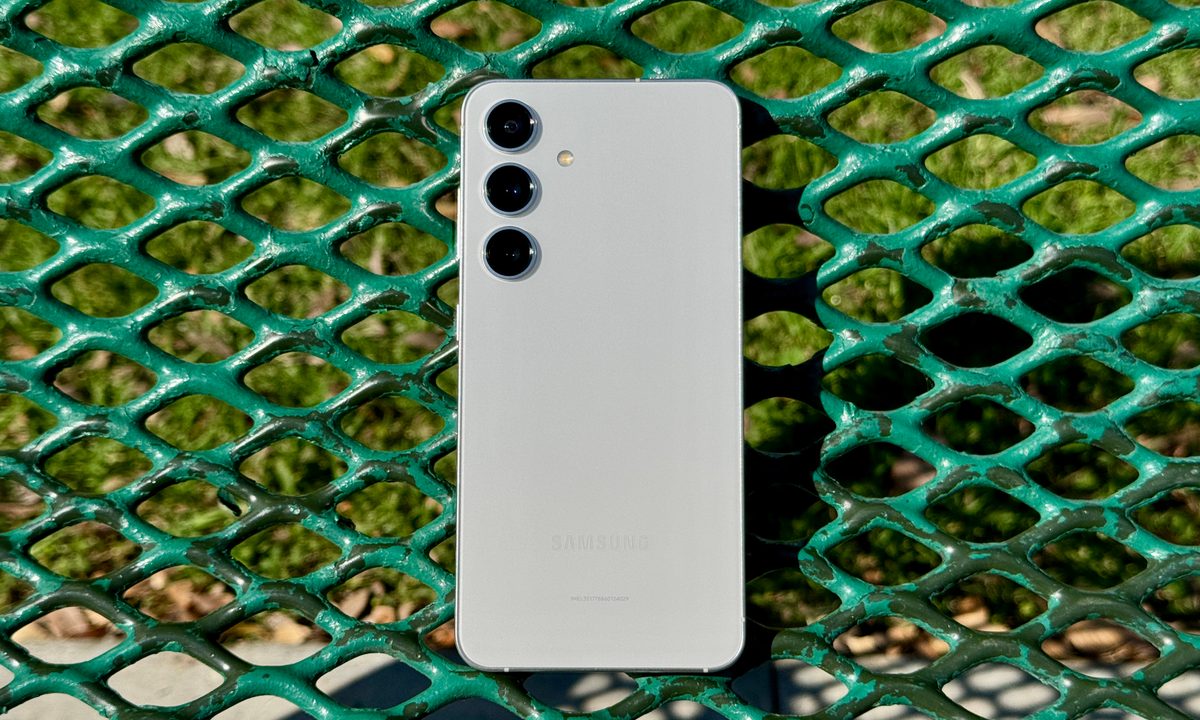
Samsung Galaxy S24 in Marble Gray standing on park bench.
Christine Romero-Chan / Digital Trends

The Samsung Galaxy S25 series rumor mill has been turbulent, and that’s putting it lightly. An unbelievable amount of information has emerged about this phone, but one debate that was never settled is whether it would use the Snapdragon 8 Elite chip or the Exynos 2400 chip. Now we have an answer thanks to leaked benchmarks: it’s all Snapdragon, all the way.

The most recent Galaxy S25 Geekbench results show a score of 2,986 single-core and 9,355 multi-core, a base frequency of 3.53GHz, and two separate processing clusters. The first has six cores clocked at 3.53GHz, and the second has two cores clocked at 4.47GHz, according to Tarun Vats on X.

Recommended Videos

The key takeaway is under CPU information. It shows a Qualcomm ARM unit in the international version of the Galaxy S25, which is undoubtedly the Snapdragon 8 Elite. The international model of the Galaxy S24 used the Exynos 2400 chipset, and early on, the S25 was believed to follow the same pattern. This leaked score suggests that Samsung is placing all its bets on the Snapdragon in the next iteration.

Breaking ‼️

Galaxy S25 (SM-S931B) just surfaced on Geekbench! 🚀

Powered by Snapdragon 8 Elite Processor with 12GB RAM!
Single-Core: 2986
Multi-Core: 9355

Snapdragon 8 Elite is officially confirmed for Vanilla model in International markets (India, Europe & more)! 🌍 pic.twitter.com/9ySZFnKxRt

— Tarun Vats (@tarunvats33) December 31, 2024

Of course, take this with some skepticism. Another leak from November pointed to the Exynos chip as the likely choice for the S25 series in Europe, so until the handset actually releases, we won’t know for sure.

Both the Snapdragon 8 Elite and the Exynos 2400 are quality chips, but Snapdragon tends to be slightly more powerful and more energy-efficient than its competitor. The Galaxy S23 also used Snapdragon for every model in its lineup.

The one downside to using the Qualcomm Snapdragon chips is the higher cost. Samsung would be able to reduce costs with the Exynos chip, but Snapdragon is the more popular format for most fans. Opting to use all Snapdragon chips for the S25 series is a smart plan, but it might also account for part of the rumored price increase in the Galaxy S25.

Patrick Hearn
Former Technology Writer
Patrick has written about tech for more than 15 years and isn't slowing down anytime soon. With previous clients ranging from…
Instagram could soon let you watch Reels while offline with automatic downloads
A new leak suggests Instagram is working on automatic downloads for Reels, which could let you continue your binge even without an internet connection.
Instagram and YouTube

Instagram could soon let users continue their Reels binge even when they're offline. A new leak suggests the app is working on automatic downloads for short-form videos, a move that would bring it closer to YouTube, which already allows offline viewing of Shorts.

What is Instagram working on?

Read more
Android 17 will let apps get the best out of your phone’s camera chops
A new vendor-defined extension system could bring advanced camera features like Super Resolution to your favorite third-party apps.
Android 17 logo.

Android 17 is shaping up to be quite an important update, especially if you care about camera quality across apps. Google is introducing a new way for phone makers to extend their custom camera features system-wide, which could finally close the gap between stock camera apps and third-party ones.

How is Android changing camera access for apps?

Read more
Google is preparing a priority charging feature for phones for rush scenarios
A hidden Android 17 feature appears built for quick top-ups, while keeping calls and texts flowing.
Electronics, Mobile Phone, Phone

Google is working on a priority charging feature designed for moments when you need power quickly. The option, uncovered in Android 17 beta code by Android Authority, focuses on boosting usable battery in a short window without shutting down core phone functions.

Instead of pushing higher charging speeds, the system shifts power toward the battery by dialing back background activity. Calls and texts still come through, but less critical processes pause so more energy goes into charging.

Read more