
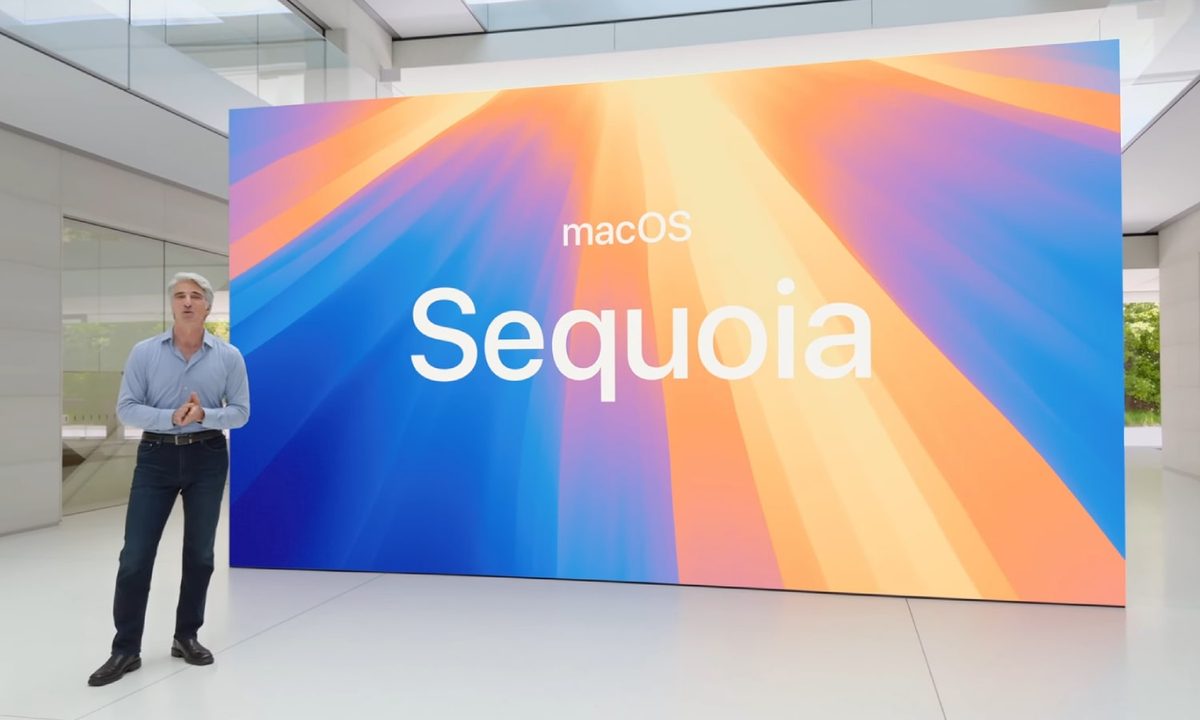

Apple’s Worldwide Developers Conference (WWDC) is just two months away, and that means I’m starting to look forward to what could be coming to the Mac at Apple’s big summer show. The problem is that every time I think about WWDC 2025, I can’t shake one feeling: that Apple Intelligence is going to dominate everything at the event.
To be fair, I don’t think Apple can do things any other way. As I’ve written about before, this year’s WWDC is make or break for Apple Intelligence. Apple has to not only make sure that its artificial intelligence (AI) platform catches up with rivals like ChatGPT and Google Gemini, but that it actually offers a service that can outdo its competitors in some ways. It needs to convince the public that Apple Intelligence is a worthy contender for their AI needs.
And if Apple gets it right, then Apple Intelligence might finally become the system it was always meant to be, with a revamped Siri that possesses incredible contextual awareness and useful additions to key Mac apps that help you in your everyday life.
But while I’m really hoping that Apple Intelligence gets the shake-up it so clearly needs, I don’t want the likes of macOS 16 and iOS 19 to miss out as a result. After all, these are the core aspects of Apple fans’ favorite devices. Without meaningful upgrades here, we’re all going to be a little worse off.
Déjà vu
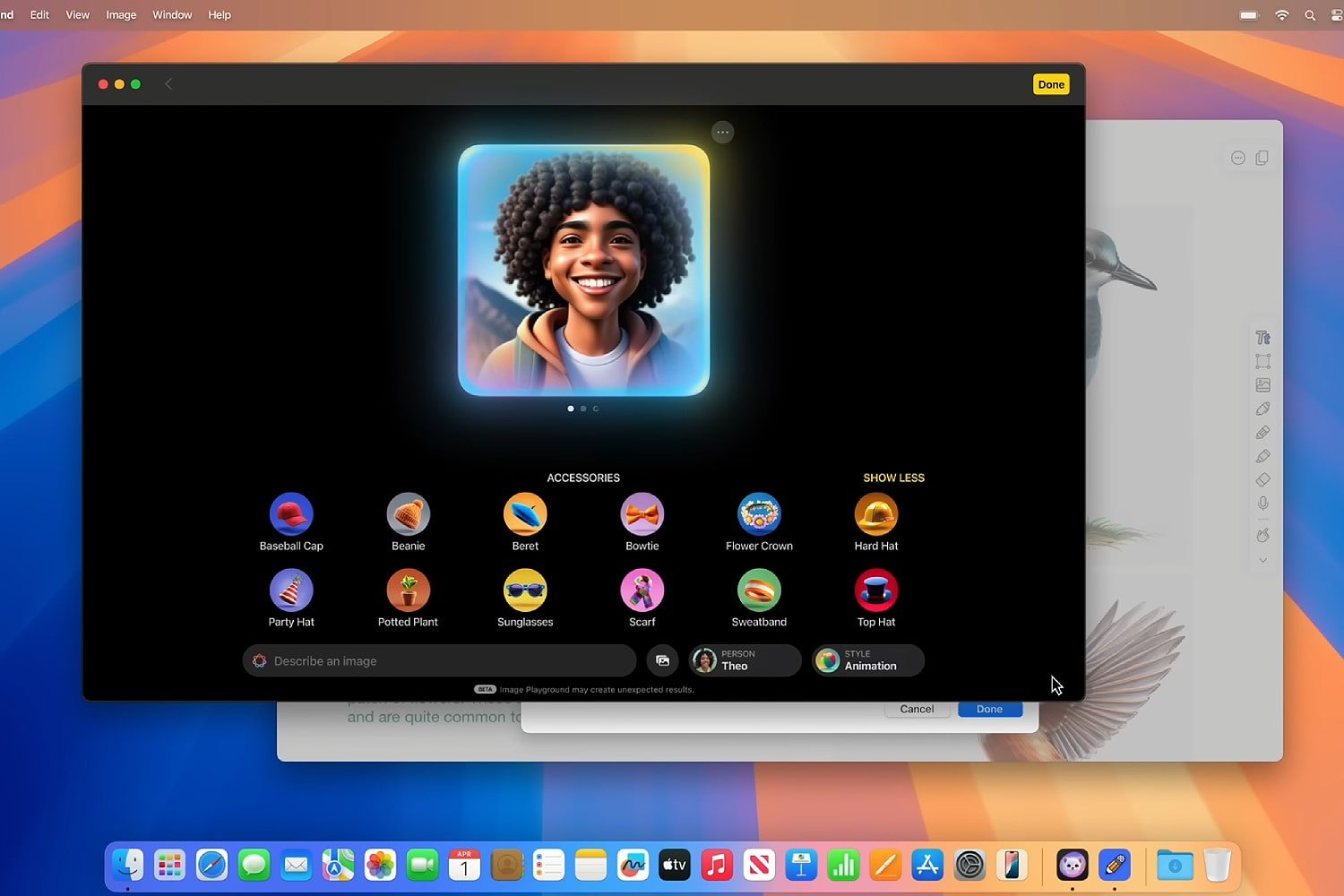
The problem is that all this focus on AI means that other things could fall by the wayside. In that regard, we’ve seen this sort of thing before. When the Vision Pro headset came out, Apple’s updates to macOS, iOS and its other operating systems were noticeably modest.
At the time, there were widespread reports that Apple had shifted developers away from these systems and onto visionOS in the runup to WWDC. I suspect a similar thing could be underway this year given the importance of Apple Intelligence and the amount of work required to bring it up to speed.
That’s a shame, because I expect everyday users will value new features in the operating systems they use every day more than AI improvements. Reports suggest that Apple Intelligence hasn’t taken off in the way Apple hoped, and it’s probably still quite niche compared to the operating systems people use day in, day out. Yet while improvements to macOS and iOS might have a solid user impact, Apple has committed so heavily to AI that it can’t help but put the focus on Apple Intelligence this summer.
Magic moments
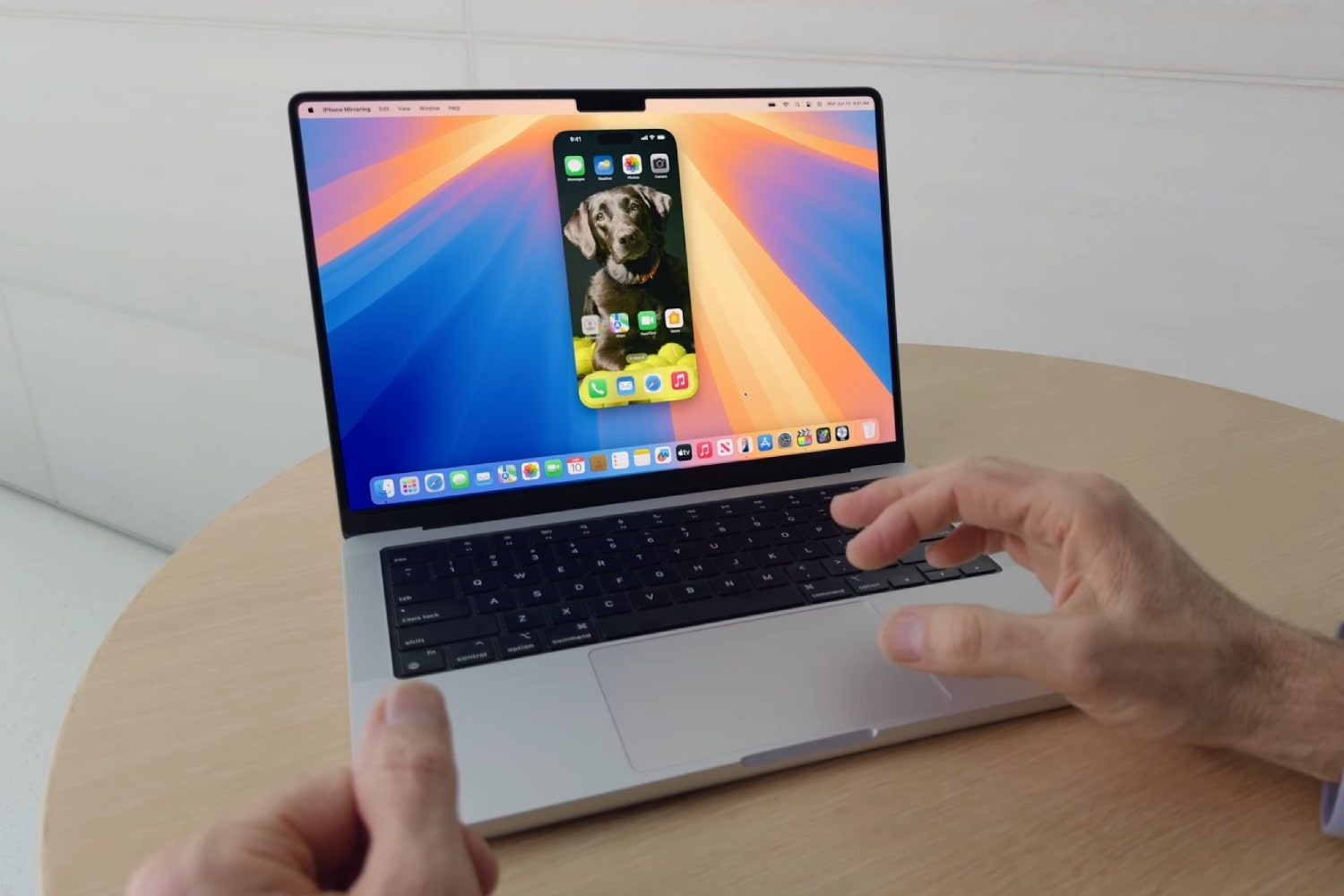
In the past, WWDC has been an opportunity for Apple to showcase the kinds of magic moments that it’s built its name upon. Universal Control in 2021 was one clear example, and I was absolutely blown away by it, as were many other onlookers. There’s also Continuity Camera, which I use constantly, or the iPhone Mirroring feature that we saw last year.
These are all everyday features that don’t make as much of a song and dance as Apple Intelligence but are still core to the Apple experience. Without “wow” moments like those, Apple’s operating system updates risk being sparse and uninspiring affairs come June 2025.
What we have heard is that macOS 16 could feature a wide-ranging redesign, with more glass-like effects and rounded buttons that take their inspiration from — you guessed it — visionOS. The last time we saw a visual overhaul for the Mac was with macOS Big Sur in 2020, so perhaps things are due a fresh lick of paint.
This could be a great way to shake things up and rejuvenate the operating system without having to cram in a boatload of new features. With a snappy new look, macOS could feel refreshed without too much changing in terms of functionality.
Yet the question remains whether this will actually be a meaningful update or simply a quick coverup to disguise the lack of updates elsewhere. With so much work needed to bring Apple Intelligence up to scratch, I’m concerned that the latter is more likely. Hopefully I’ll be proved wrong come June 2025.


