

It’s just over a year since Apple first listed its Vision Pro headset for sale, and the device hasn’t exactly lit the world on fire since then. Yet after a year of reflection, there’s one thing that Apple very clearly needs to do if it’s going to get its mixed-reality headset back on track.
That thing is to launch a more affordable model, pure and simple. It goes against Apple’s preferred way of doing things — the company is used to making the best, most premium devices it can and pricing them accordingly — but it’s the only way the company is going to be able to make its headset go truly mainstream.
Sticker shock
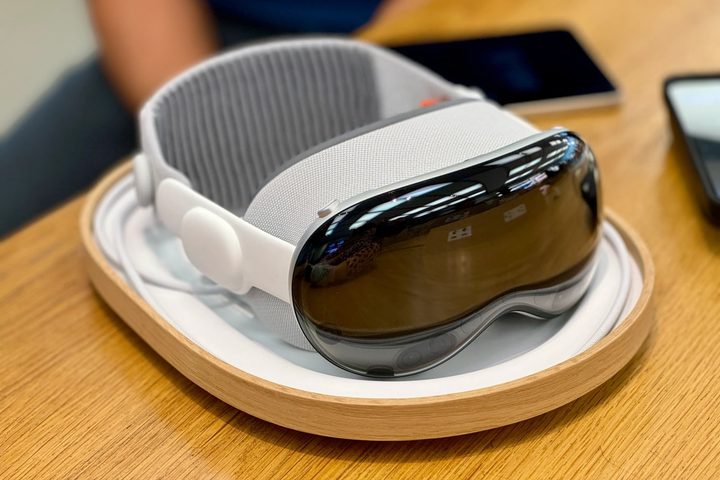
I’ve never been tempted to buy an Apple Vision Pro headset, and at $3,500, it’s not hard to see why. It’s way out of the price range I’d be willing to pay for something that is still a pretty niche, enthusiast-oriented device.
And I know I’m not alone. Virtual reality hasn’t taken off to such an extent that most people are willing to pay that kind of cash for such a device. In fact, if you were there when the Vision Pro was announced at Apple’s Worldwide Developers Conference (WWDC) in 2023, you could hear the audible gasps when the company revealed the headset’s price. It’s sticker shock, and then some.
It’s not helped by the nascent nature of the virtual reality headset world. Consumers just aren’t used to seeing prices this high, and the industry is young enough that prices have not yet come down. It’s a bad combination that makes the cost hard to swallow for your average user.
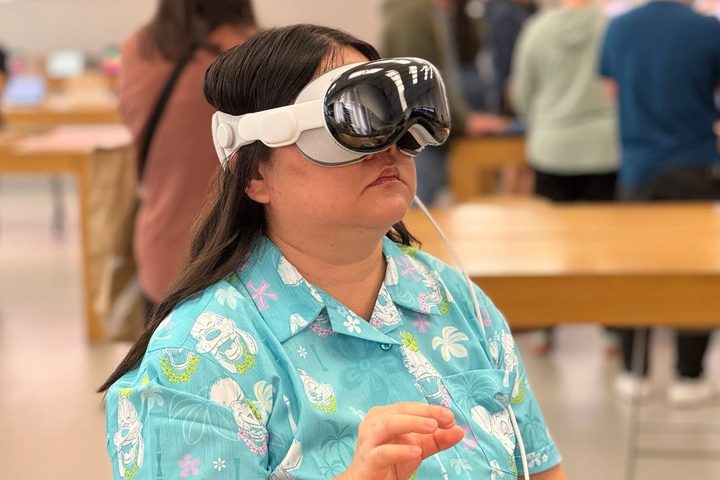
In many cases, Apple’s high prices don’t matter — just look at the MacBook Pro, which sells like hotcakes despite being far from the most affordable laptop on the market. But in cases like that, the price is high but not unreasonably so. People know they’re getting quality and are willing to pay a little more for it — emphasis on the “little.”
With the Vision Pro, things are different — it’s easily one of the most expensive consumer headsets out there. It makes clear the need for a more affordable sibling model to be sold alongside the Vision Pro. Right now, only the most enthusiastic or well-heeled of interested parties can afford one. But it doesn’t have to be that way. Apple could continue to offer its high-priced regular model for early adopters and tech lovers, with a lower-priced model for everyone else.
Augmenting the line-up
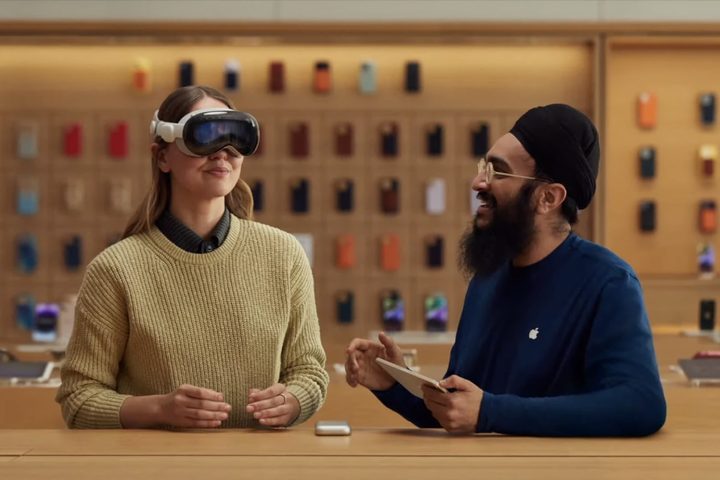
A more affordable Vision Pro needn’t mean serious compromises on quality. Right now, the Vision Pro is incredibly well-made and full of fantastic features, but a lot of that quality could be reduced just a touch and consumers wouldn’t bat an eye.
Ask yourself this: do you really need a $3,500 headset experience, or would one costing half the price (or less) still be satisfactory? I think you just need to look at the products Apple’s rivals are making to find your answer.
The HTC Vive XR Elite, for example, combines virtual reality with augmented reality, just as the Vision Pro does. Yet unlike Apple’s headset, it sells for well under $1,000, and people love it. Cutting back on high-end features doesn’t have to mean dooming yourself to mediocrity.
Apple has been here before. When it first released the HomePod, the company claimed it was one of the best-quality speakers on the market, and in many ways that was true: it offered undeniably great quality audio. But it was too expensive and there was no cheaper option, so buyers had to go for the HomePod or go without. In the end, many picked the latter.
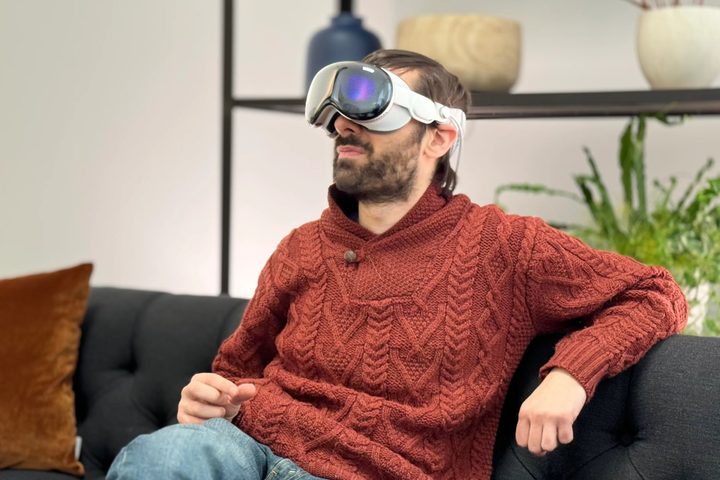
It wasn’t until Apple launched the HomePod mini that things picked up — so much so, in fact, that Apple even discontinued the original HomePod, only bringing it back years later with a lower price. It’s a lesson that Apple needs to learn when it comes to its mixed reality headset.
We know that a more affordable Vision Pro is in the works, but there are rumors that it’s still several years away. Can Apple afford to wait that long while its rivals pull further ahead? I’m not sure it can.
I’m not saying that Apple should ditch the Vision Pro entirely and only sell affordable headsets — that just wouldn’t be the Apple way. But adding a lower-priced device to the line-up would surely give consumers what they’ve been crying out for ever since the Vision Pro went on sale one year ago.


