TikTok has long been at the center of a storm for getting children stuck in a digital addiction loop, eating up their sleep hours, and exposing them to harmful material. The company has repeatedly had to address those concerns in Senate hearings, too.
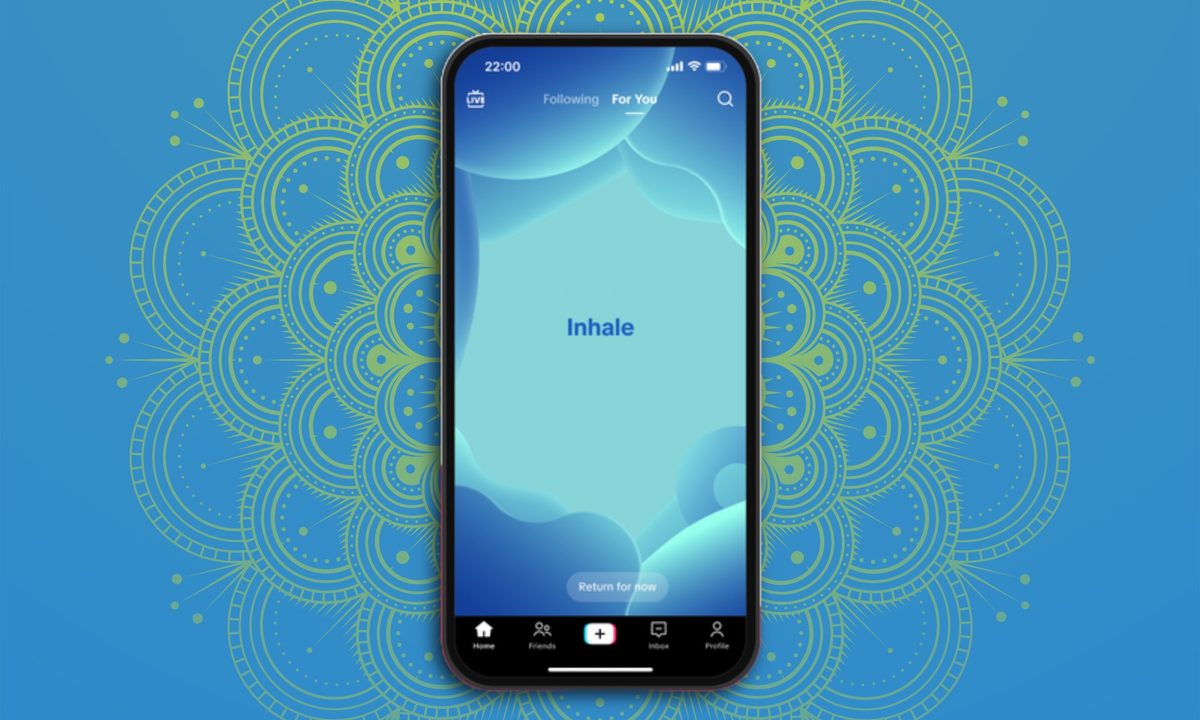
Now, the troubled short video platform has a rather ancient solution to fix usage concerns for children and teens. The company has today introduced guided meditations, tagging alongside wind-down prompts. The exercises will be available to all users, but will be enabled by default for all users under 18 years of age.
How does it work?
“For teens under age 18, it will be turned on by default. If a teen decides to use TikTok after 10 pm, their For You feed will be interrupted by a guided meditation exercise, helping them wind down for the night,” says the company.
If a user ignores the first wind-down prompt, they will soon see a second “harder to dismiss” message covering the entire screen. Just over a month ago, TikTok launched a nudge system that advised teens to close the app after 10 PM. The wind-down system also played calming music.
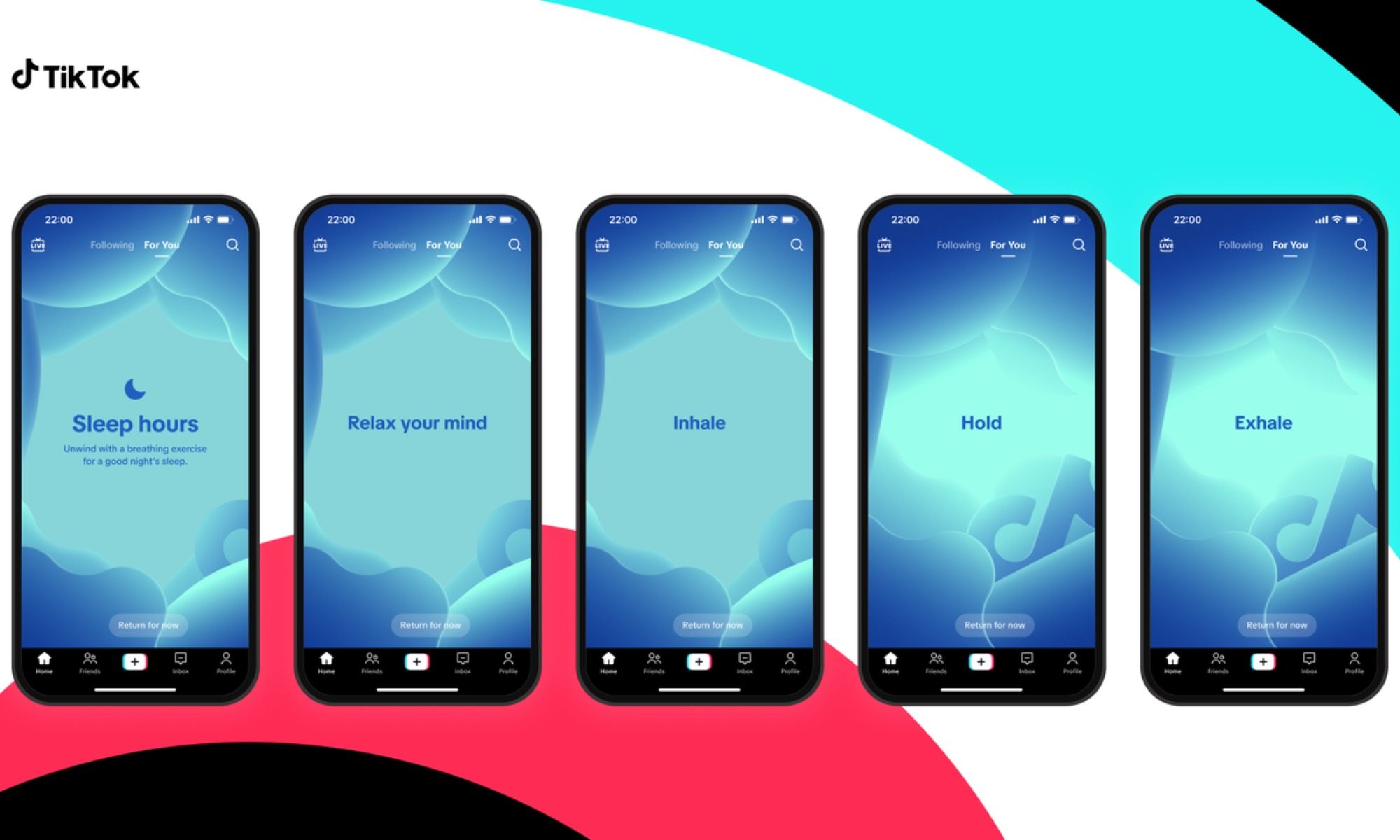
TikTok says that in its research, the target pool of young users kept the guided meditation feature enabled in 98% of the cases. Adult users can also activate the new guided meditation feature from within the app’s Screen Time settings page.
Meditation and breathing exercises are now part of wearables, as well, such as smartwatches and fitness bands. After analyzing stress patterns using biomarkers, devices such as Samsung Galaxy Fit 3 assist users with breathing exercises, and even web browsers such as Opera employ similar tactics to help users take a break and get a dose of mindfulness.
Can it really help?
There’s plenty of research out there talking about the health impact of screens in bed, and how it eats into our precious sleep hours. On the opposite end, even small adjustments to the phone usage behaviour at night can have a meaningful impact.
Just over a month ago, research published in the JAMA Journal mentioned that using a screen in bed hurts the sleep patterns of users across all age groups. The largest sleep study of its kind, the experts behind it also said that such users have a 33% higher prevalence of poor sleep quality.
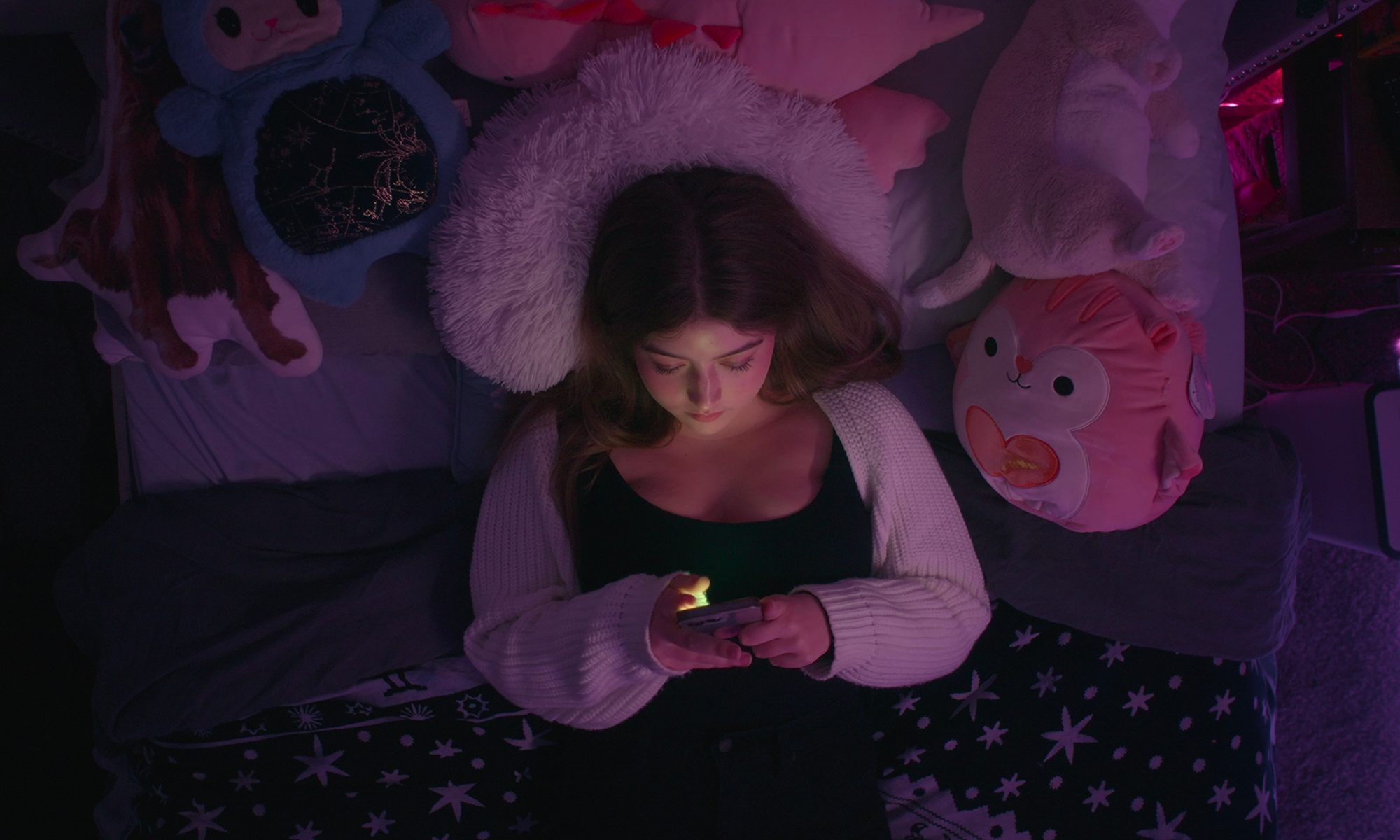
Merely a week later, another research paper that appeared in the Frontiers Psychiatry journal claimed that staring at a screen in bed raises the insomnia risks by 59% in young people and adolescents. Each additional hour increases the risks by 63%, and on average, it eats up roughly 24 minutes of sleep time each day.
Research on meditation and behavioral changes suggests that setting a routine for curbing our digital habits at night and engaging in meditation offers a multitude of benefits, such as calming the mind and helping us get better sleep.
The latest TikTok feature looks like a step in the right direction, considering the fact that it is one of the biggest social media platforms in the US, with a high number of teenage users. To bolster its efforts, TikTok is also partnering with health experts and adding more funds to its digital health initiatives.