1. Home
  2. Mobile
  3. Legacy Archives

Giant iPhone: Interactive monument to Steve Jobs unveiled in Russia

Add as a preferred source on Google

No, it’s not the next iteration of the iPhone, complete with a larger screen – it’s actually a memorial to Apple co-founder Steve Jobs, unveiled this week in the Russian city of St. Petersburg.

Standing at around 180cm, the iPhone-shaped stone sculpture features a touchscreen (of course), which visitors can use to select various photographs and videos of important moments in Jobs’ life. Speeches and presentations given by Jobs are shown with subtitles translated into a number of different languages.

Recommended Videos

On the back of the memorial is a QR code, which, if scanned, takes you to a website celebrating the life of the late Apple boss.

Located in the courtyard of the St. Petersburg National Research University of Information Technologies, the monument was designed by local man Gleb Tarasov. The sculpture, which Tarasov has christened ‘Sunny QR Code’, was selected as the best design from more than 200 entries in a contest held by the Progress IT Fund.

Image used with permission by copyright holder

Steve Jobs died in October 2011 after a long battle with cancer. The charismatic tech guru co-founded Apple in his parents’ garage back in 1976.

Regarded by many as a visionary and one of the most influential innovators of recent times, Steve Jobs’ place in history in assured. Several films about his life are set for launch this year, including jOBS, starring Ashton Kutcher, which premieres on the final day of the Sundance Film Festival on January 27.

The movie focuses on Jobs’ life from 1971 all the way through to 2000, covering Apple’s formative years, Jobs’ unceremonious exit from the company in the 1980s, his founding of NeXT and Pixar, and his triumphant return to the Cupertino tech giant in the mid-90s.

[Source: Daily Mail / RIA Novosti]

Trevor Mogg
Contributing Editor
Not so many moons ago, Trevor moved from one tea-loving island nation that drives on the left (Britain) to another (Japan)…
Snapchat Planets: What’s the order, and what do they mean?
Snapchat Planets turns your best friends list into a solar system, and yes, your orbit says a lot
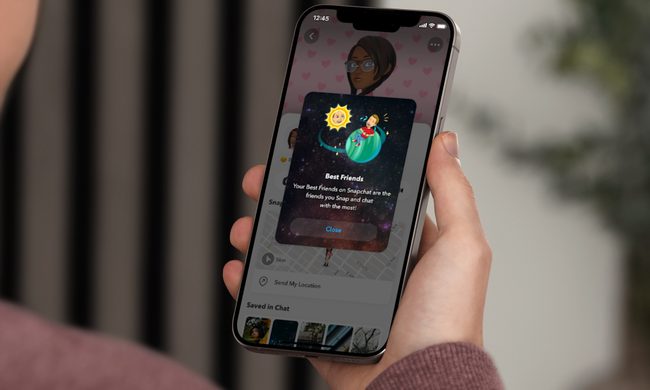
Snapchat Planets being shown on the Snapchat app on iPhone.

Snapchat is already packed with little symbols that can be weirdly hard to decode. You have streaks, emojis, badges, scores, Best Friends, and if you use Snapchat Plus, a tiny solar system that shows where you sit in someone’s closest-friends list.

The feature is called Friend Solar System, though most people just call it Snapchat Planets. It takes your position in a friend’s Snapchat orbit and turns it into a planet. From Mercury to Neptune, these celestial bodies signify how close a person is to you.

Read more
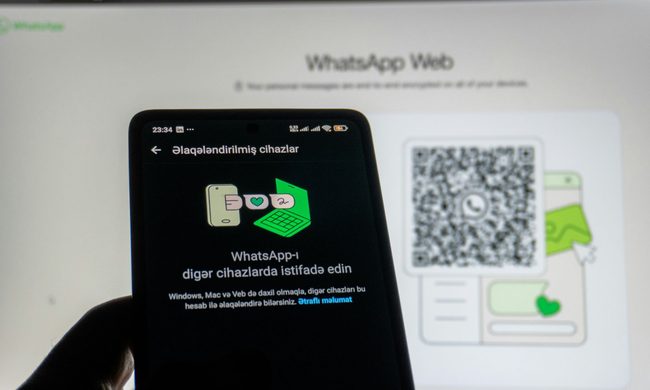
How to use WhatsApp Web
We'll show you how to use WhatsApp on your desktop or laptop
WhatsApp Web

As one of the most popular messaging services, you’ve already heard of WhatsApp. From its humble beginnings in 2009—two years before Apple introduced iMessage—to its acquisition by Facebook (now Meta) in 2014, WhatsApp has become the dominant messaging platform around the globe.

In recent years, it's grown even more potent with new features like video messages, self-destructing voice messages, the ability to edit sent messages, and more. We even finally got an WhatsApp iPad app in May 2025.

Read more
What is WhatsApp? How to use the app, tips, tricks, and more
From setting it up to mastering hidden features, here is your complete guide to WhatsApp.
Electronics, Phone, Mobile Phone

There's no shortage of messaging apps out there. The past decade has given us more options than we know what to do with, largely because smartphones demanded something better than plain old SMS.

Both the App Store and the Play Store are packed with apps that promise to revolutionize the way we communicate. Most of them didn't make it. The truth is, a messaging app is only as good as the number of people using it, and most apps never cross that threshold.

Read more