
Reported by local ABC affiliate KVUE as well as VentureBeat, both organizations have been invited to a Google event on Tuesday, April 9 that will likely be an announcement about the installation of Google’s gigabit Internet service within Austin, Texas. Confirmed by multiple sources within the City of Austin government, a blog post about the service rolling out in Austin was spotted by an Engadget reader at 3 a.m. Eastern time this morning on the official Google Fiber page. Sporting the title “Google Fiber’s Next Stop: Austin, Texas,” the post has since been removed from the Google Fiber home page.
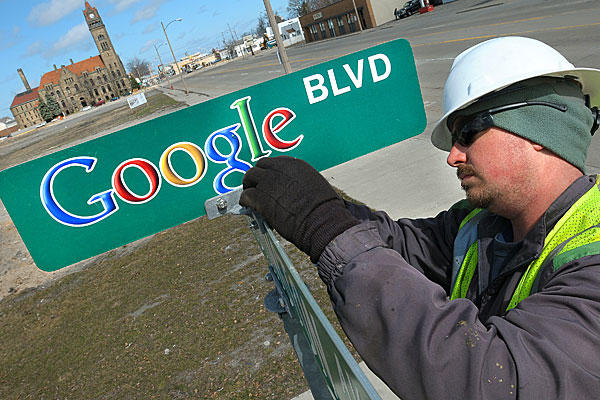 During 2010, a grassroots campaign called BigGig Austin attempted to lure Google to Austin when the Google Fiber management team was looking for the first city to roll out the gigabit Internet service. While Kansas City residents eventually won the honor of getting access to Google Fiber before anyone else in the United States, the BigGig Austin campaign attracted over 15,000 Austin residents to lend support to the effort.
In an interview with Gigaom during 2011, the leader of the grassroots effort, Chip Rosenthal, indicated that Texas laws could have been behind the reason that Google passed over Austin for Kansas City. When asked about losing out to Kansas City, Rosenthal said “Austin caught their eye for all the right reasons, and we had support at the highest levels with the involvement of the mayor and the city manager, but given the Texas limitations on municipalities getting involved in network, there was only so far we could go. So I look at the Texas Legislature, because they really put us in a box with regard to Google, and every response the city gave had to be measured within that box.”
Some of the options currently available to Austin residents for high-speed Internet service include Time Warner Cable and AT&T U-Verse as well as satellite service and a local company called Grande Communications. However, it’s likely that these companies will have to become more competitive with pricing if Google Fiber does launch in Austin later this year. After Google Fiber launched in Kansas City, Time Warner Cable quickly started offering increased Internet speeds to Kansas City customers in addition to slashing prices for that service.
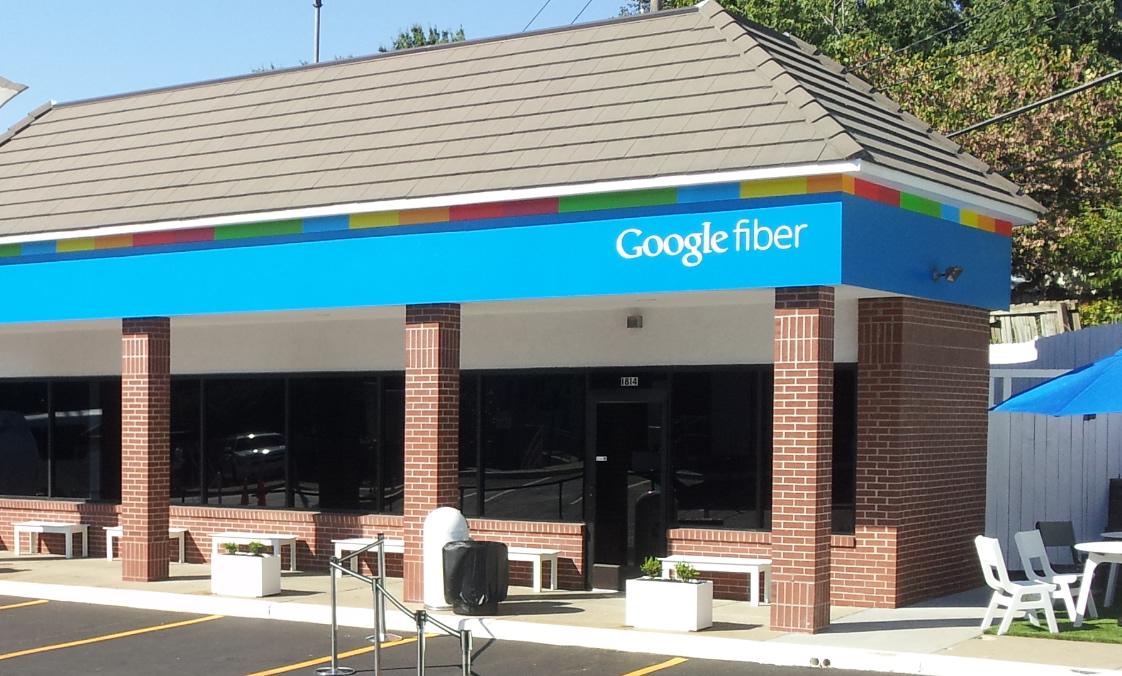 According to Google, the Google Fiber service offers upload and download speeds that are up to 100 times faster than broadband services from competing companies. Regarding the speedy service, Netflix continues to verify Google Fiber’s superior Internet speeds and recently rated Google Fiber as the fastest Internet service available in the United States.
Assuming Austin residents will be paying the same Google Fiber rates at Kansas City residents, the one gigabit service will cost $70 per month and the $300 installation fee is waived. That also comes with 1TB of Google Drive space and there are no data caps on the service. Google also offers a “free” service that offers download speeds up to 5Mbps. However, the user will have to pay the $300 installation fee upfront or in $25 increments over a one year period. It’s also likely that Google will break up the city in segments on the Google Fiber home page and ask Austin residents to request service in their area. Google uses this information to schedule the installation based on the interest levels in each local neighborhood.


