  1. Home
  2. Mobile
  3. Legacy Archives

BlackBerry CEO slams tablets, follow-up to PlayBook seems unlikely

Add as a preferred source on Google
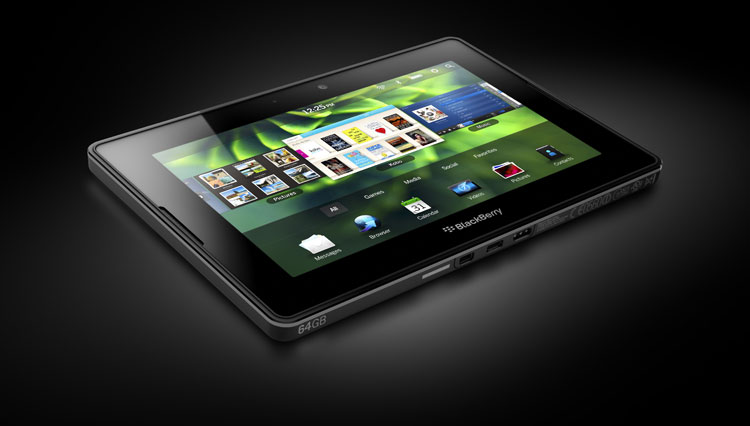
Blackberry Playbook
Image used with permission by copyright holder

BlackBerry CEO Thorsten Heins has a vendetta against tablets, slamming the devices in a recent interview. According to Heins, slates lack any long-term potential and make for a bad business model.

The PlayBook was – to put it bluntly – a failed launch by BlackBerry. Whether Heins comments stem from that failure or not, it seems we can count out a PlayBook 2 in the company’s future. “In five years I don’t think there’ll be a reason to have a tablet anymore,” Heins said. This prediction is in stark opposition to his generous sales forecast for the Q10, saying he expected it will sell “tens of millions of units,” Bloomberg reports. Tablets may be dead, but Heins still firmly believes in QWERTY devices.

Recommended Videos

However, just because Heins isn’t looking to expand further into tablet territory, that doesn’t mean he doesn’t have a strong vision for BlackBerry’s future. “In five years, I see BlackBerry to be the absolute leader in mobile computing – that’s what we’re aiming for,” Heins said at the Milken Institute conference in Los Angeles. “I want to gain as much market share as I can, but not by being a copycat.”

The company’s track record in the tablet sector explains Heins’ sentiments toward them, but it seems a strange statement in a world dominated by iPads and Android tablets. “Maybe [you’ll have] a big screen in your workspace, but not a tablet as such,” he continued. “Tablets themselves are not a good business model.”

From where he’s standing, it may seem entirely logical. The PlayBook was released as a smaller (7-inch) competitor to the iPad, but its limited app selection left consumers scratching their heads. By the time BlackBerry realized its mistake and issued a software update, consumers had moved on and the PlayBook was relegated to price cuts and fire sales to clear out inventory. Based on the PlayBook’s flop and Heins’ feelings, it’s pretty safe to assume there won’t be a successor anytime soon. 

Andrew Kalinchuk
Andrew covers news and opinions pertaining to smartphones, tablets, and all else mobile for Digital Trends. He recently…
Topics
Snapchat Planets: What’s the order, and what do they mean?
Snapchat Planets turns your best friends list into a solar system, and yes, your orbit says a lot
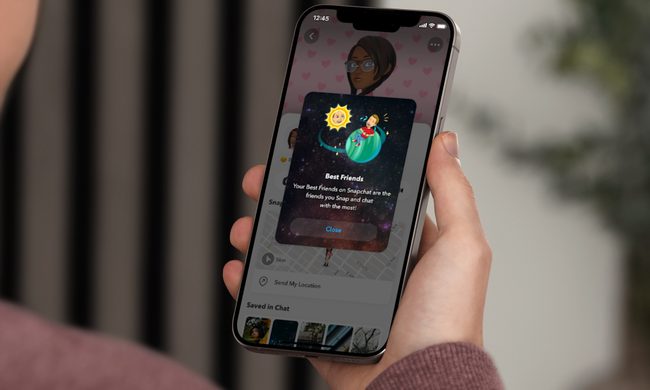
Snapchat Planets being shown on the Snapchat app on iPhone.

Snapchat is already packed with little symbols that can be weirdly hard to decode. You have streaks, emojis, badges, scores, Best Friends, and if you use Snapchat Plus, a tiny solar system that shows where you sit in someone’s closest-friends list.

The feature is called Friend Solar System, though most people just call it Snapchat Planets. It takes your position in a friend’s Snapchat orbit and turns it into a planet. From Mercury to Neptune, these celestial bodies signify how close a person is to you.

Read more
How to use WhatsApp Web
We'll show you how to use WhatsApp on your desktop or laptop
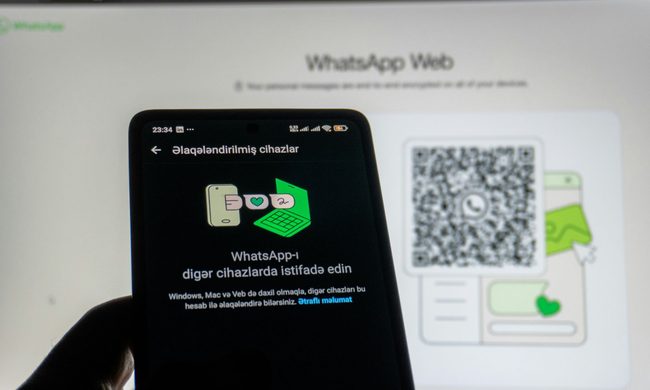
WhatsApp Web

As one of the most popular messaging services, you’ve already heard of WhatsApp. From its humble beginnings in 2009—two years before Apple introduced iMessage—to its acquisition by Facebook (now Meta) in 2014, WhatsApp has become the dominant messaging platform around the globe.

In recent years, it's grown even more potent with new features like video messages, self-destructing voice messages, the ability to edit sent messages, and more. We even finally got an WhatsApp iPad app in May 2025.

Read more
What is WhatsApp? How to use the app, tips, tricks, and more
From setting it up to mastering hidden features, here is your complete guide to WhatsApp.
Electronics, Phone, Mobile Phone

There's no shortage of messaging apps out there. The past decade has given us more options than we know what to do with, largely because smartphones demanded something better than plain old SMS.

Both the App Store and the Play Store are packed with apps that promise to revolutionize the way we communicate. Most of them didn't make it. The truth is, a messaging app is only as good as the number of people using it, and most apps never cross that threshold.

Read more