1. Home
  2. Mobile
  3. Apple
  4. Audio / Video
  5. Computing
  6. Legacy Archives

Apple officially owns the company that made Microsoft’s Kinect

Add as a preferred source on Google

After months of negotiation rumors, Apple has officially purchased PrimeSense, the sensor company that Microsoft worked with to create the first Kinect. Globes.co.il announced the completion of the purchase yesterday, Nov. 24, and AllThingsD got confirmation from Apple today. The deal was thought to cost Apple somewhere between $300 and $400 million and has been rumored since July.

“Apple buys smaller technology companies from time to time, and we generally do not discuss our purpose or plans,” said an Apple spokesperson.

Recommended Videos

PrimeSense is dedicated to creating sensors that allow real-world 3D gesture interaction with computers and games. The Kinect was an early example of the company’s technology, though Microsoft’s new Xbox One’s Kinect was not made at PrimeSense. In more recent years, the sensor company has created smaller 3D sensors that can fit inside smartphones and other small devices. The Capri, for example, could give an iPhone camera the ability to detect depth and perceive the world in 3D. This could lead to advances in photography and object recognition, among other things.

Of course, our own Caleb Denison believes that the acquisition could have something to do with Apple’s long-rumored television.

“If Apple can perfect gesture control technology, it could conceivably make controlling its TV as easy as swiping, touching, pinching, and spreading the air in front of our faces,” writes Denison. “It would turn your second screen into your first screen.”

When Apple buys a company, it usually has a plan to use that company’s technology to its advantage. We don’t yet know what Apple products will use PrimeSense tech, but we look forward to finding out.

What do you think Apple will use PrimeSense’s 3D sensors for?

Jeffrey Van Camp
As DT's Deputy Editor, Jeff helps oversee editorial operations at Digital Trends. Previously, he ran the site's…
Snapchat Planets: What’s the order, and what do they mean?
Snapchat Planets turns your best friends list into a solar system, and yes, your orbit says a lot
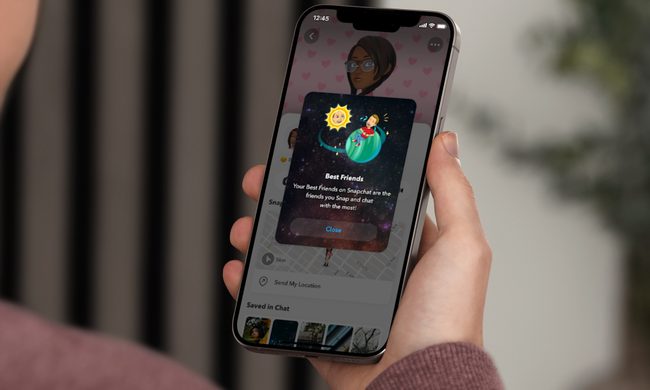
Snapchat Planets being shown on the Snapchat app on iPhone.

Snapchat is already packed with little symbols that can be weirdly hard to decode. You have streaks, emojis, badges, scores, Best Friends, and if you use Snapchat Plus, a tiny solar system that shows where you sit in someone’s closest-friends list.

The feature is called Friend Solar System, though most people just call it Snapchat Planets. It takes your position in a friend’s Snapchat orbit and turns it into a planet. From Mercury to Neptune, these celestial bodies signify how close a person is to you.

Read more
How to use WhatsApp Web
We'll show you how to use WhatsApp on your desktop or laptop
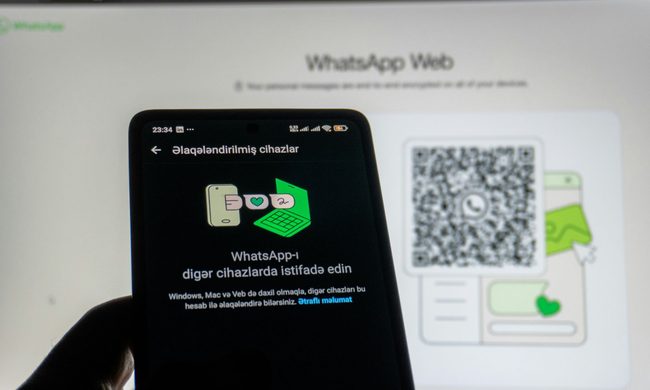
WhatsApp Web

As one of the most popular messaging services, you’ve already heard of WhatsApp. From its humble beginnings in 2009—two years before Apple introduced iMessage—to its acquisition by Facebook (now Meta) in 2014, WhatsApp has become the dominant messaging platform around the globe.

In recent years, it's grown even more potent with new features like video messages, self-destructing voice messages, the ability to edit sent messages, and more. We even finally got an WhatsApp iPad app in May 2025.

Read more
What is WhatsApp? How to use the app, tips, tricks, and more
From setting it up to mastering hidden features, here is your complete guide to WhatsApp.
WhatsApp app store listing open on iPhone

There's no shortage of messaging apps out there. The past decade has given us more options than we know what to do with, largely because smartphones demanded something better than plain old SMS.

Both the App Store and the Play Store are packed with apps that promise to revolutionize the way we communicate. Most of them didn't make it. The truth is, a messaging app is only as good as the number of people using it, and most apps never cross that threshold.

Read more