1. Home
  2. Mobile
  3. Legacy Archives

Apple awarded patent for ’embedded heart rate monitor’, possibly for future iWatch

Add as a preferred source on Google

Apple was awarded a bunch of patents by the US Patent and Trademark Office (USPTO) on Christmas Eve, covering everything from a “touch and hover” display panel for iOS to a “seamlessly embedded heart rate monitor“.

Let’s take a closer look at this heart rate monitor, a feature which you can well imagine will end up on any wearable tech – such as the so-called iWatch – that the tech giant may be developing.

Recommended Videos

According to Apple Insider (via Cnet), which spotted Tuesday’s decision by the USPTO to grant the patent, the technology described in the filing detects a user’s cardiac activity and cardiac electric signals.

The described device would incorporate several leads used to detect a user’s heart rate “transmitted from the user’s skin through the electronic device housing to the leads,” Apple said in the filing’s abstract, adding, “The pads and housing can be finished to ensure that the pads are not visibly or haptically distinguishable on the device, thus improving the aesthetic qualities of the device.”

It also makes mention of an “accessory” that could make use of the technology, so it’s not hard to see how this might end up as part of Apple’s iWatch, which many observers are expecting to see launch next year.

Of course, with Apple being the secretive outfit that it is, it’s impossible to know if it really does have a high-tech watch up its sleeve, but a slew of related rumors over the past year, plus the fact wearable tech is expected to go big-time in 2014, suggests the Cupertino company may have something to offer in the space in the next 12 months.

In an email to employees this week, Apple boss Tim Cook hinted 2014 could see Apple introducing something more than just a revamped iPhone or iPad, saying the company had “big plans” for the year.

In all, Apple was awarded 23 patents by the USPTO on Tuesday. If you’re at a loose end on Christmas Day, you can peruse the full list here.

[Image: pio3 / Shuttsertock]

Trevor Mogg
Contributing Editor
Not so many moons ago, Trevor moved from one tea-loving island nation that drives on the left (Britain) to another (Japan)…
Topics
Snapchat Planets Meaning: Order, Rankings, and How Friend Solar System Works
Snapchat Planets turns your best friends list into a solar system, and yes, your orbit says a lot
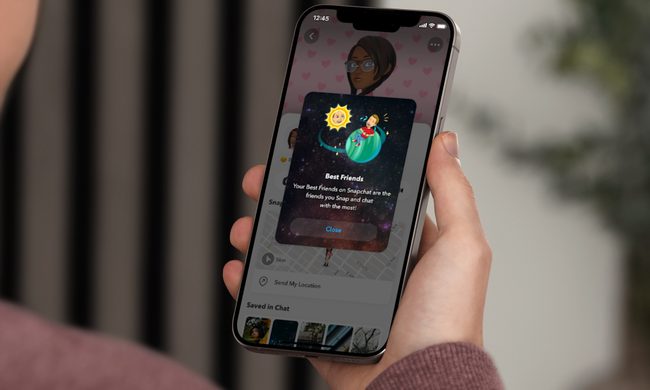
Snapchat Planets being shown on the Snapchat app on iPhone.

Snapchat+ includes several exclusive features, but few have generated as much curiosity as Snapchat Planets. Part of the app's Friend Solar System, it transforms your Best Friends list into a planetary ranking, assigning each of your top eight friends a planet based on how often you interact.

From Mercury, which represents your closest friend, to Neptune, which represents your eighth closest, the system offers a quick visual snapshot of your interactions. But what do the different planets actually mean, and how does Snapchat decide who gets which one?

Read more
How to use WhatsApp Web
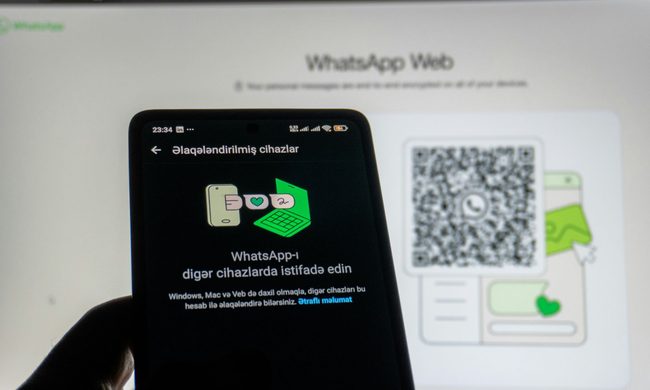
We'll show you how to use WhatsApp on your desktop or laptop
WhatsApp Web

As one of the most popular messaging services, you’ve already heard of WhatsApp. From its humble beginnings in 2009—two years before Apple introduced iMessage—to its acquisition by Facebook (now Meta) in 2014, WhatsApp has become the dominant messaging platform around the globe.

In recent years, it's grown even more potent with new features like video messages, self-destructing voice messages, the ability to edit sent messages, and more. We even finally got an WhatsApp iPad app in May 2025.

Read more
What is WhatsApp? How to use the app, tips, tricks, and more
From setting it up to mastering hidden features, here is your complete guide to WhatsApp.
WhatsApp app store listing open on iPhone

There's no shortage of messaging apps out there. The past decade has given us more options than we know what to do with, largely because smartphones demanded something better than plain old SMS.

Both the App Store and the Play Store are packed with apps that promise to revolutionize the way we communicate. Most of them didn't make it. The truth is, a messaging app is only as good as the number of people using it, and most apps never cross that threshold.

Read more