“Did you complete your activity ring? I’ve done my 10K, twice, today.”
My sister gleefully asked me a couple of weeks ago. A lifelong WearOS user, she recently switched to an Apple Watch Series 9 after I retired it and moved to the Series 11. She seemed chuffed about her achievement and has repeatedly taunted me with her activity ring streak since.
I get it. Yet, I didn’t feel a wave of anxiety engulfing me this time. I attribute that calm and composed reaction to a new feature called Workout Buddy. This is an AI-powered feature that whispers words of encouragement in your ears and updates you on progress, even if you’ve just walked for 10 minutes in the name of a daily workout.
I direly needed that boost. Thankfully, the Apple Watch Series 11 opened the gateway to a few similar conveniences that have taken away the “fearsome” aspect of tracking my wellness journey with a wearable. In fact, the weeks I’ve spent with the latest Apple smartwatch have been the least stressful for me.
The burden of succeeding
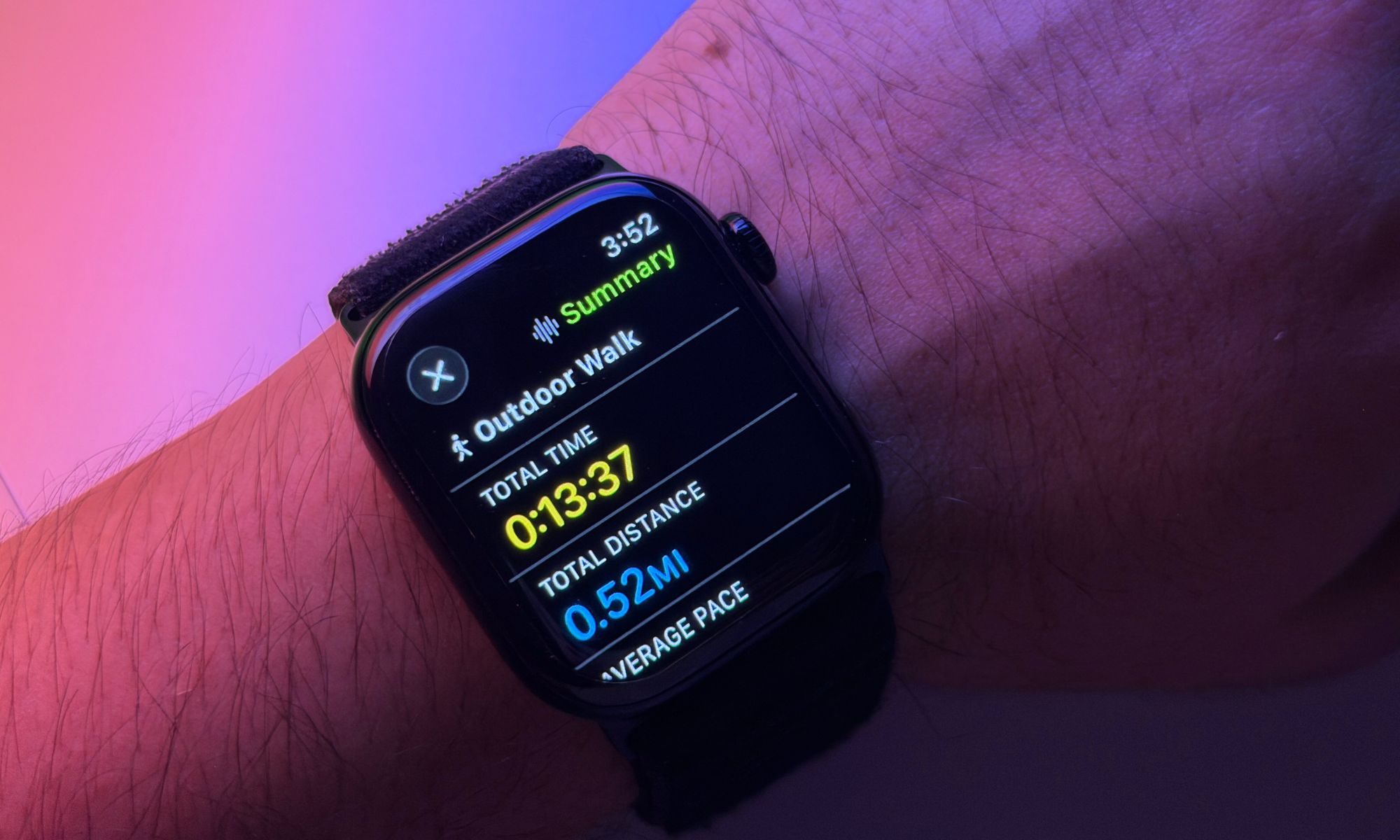
Wearables are a slippery slope, and unless you are a seasoned fitness enthusiast for whom discipline comes naturally, the wearable data can be overwhelming. On Apple Watches, you have the activity rings. You can even turn it into a social competition and check your progress against friends and family members.
Either way, they can give you anxiety. The sight of an incomplete ring and the realization of going to sleep without hitting your running or calorie-burning target almost wants to eat you from the inside. And like me, if you’ve spent around $500 on an Apple Watch so that it can become your companion on a health journey, you constantly feel like a failure.
I am not alone. I looked up “wearable anxiety” and realized that it’s not just some anecdotal hypothesis. It’s a reality for people out there. “When I forget to wear it, I feel like I didn’t accomplish a goal,” expressed a sprinter at Syracuse University.
A collaborative study courtesy of the Department of Medicine, Division of Cardiology, at the University of North Carolina and the Department of Internal Medicine, Section of Cardiovascular Medicine at Yale School of Medicine also documented how smartwatches can contribute to smartwatch anxiety.
“Although the prevalence, clinical course, and associated outcomes of this phenomenon remain unknown, an increasing number of cases have been reported anecdotally by colleagues at our institution and other medical centers nationwide,” said the analysis.
Another article published in the Cardiovascular Digital Health Journal mentions that the abundance of data may “inadvertently contribute to pathologic symptom monitoring.” With the Apple Watch, the entire activity dashboard and activity is there to greet me not only on the watch, but also on my iPhone and daily driver iPad, which only got on my nerves about meeting targets.
Mental health service provider, Thriveworks, also highlights that “smartwatches may increase the wearer’s risk of developing health anxiety, or hypochondria,” adding that the lines between achieving fitness goals and anxiety can easily get blurred.
Workout Buddy is more than just a tracker
Over the years, I’ve often found myself repeatedly ogling at the screen and checking my daily workout progress. And it kept me on my toes, and not necessarily in a good way. Even though I tried to reach my daily activity goal, the thought of running into an unexpected routine or engagement with friends often made me question my commitment.
This is where the new Workout Buddy system on the Apple Watch comes into the picture. It’s an AI-powered tool that essentially keeps you up to date with your workout progress — when you start, midway through it, and at the end of each session.
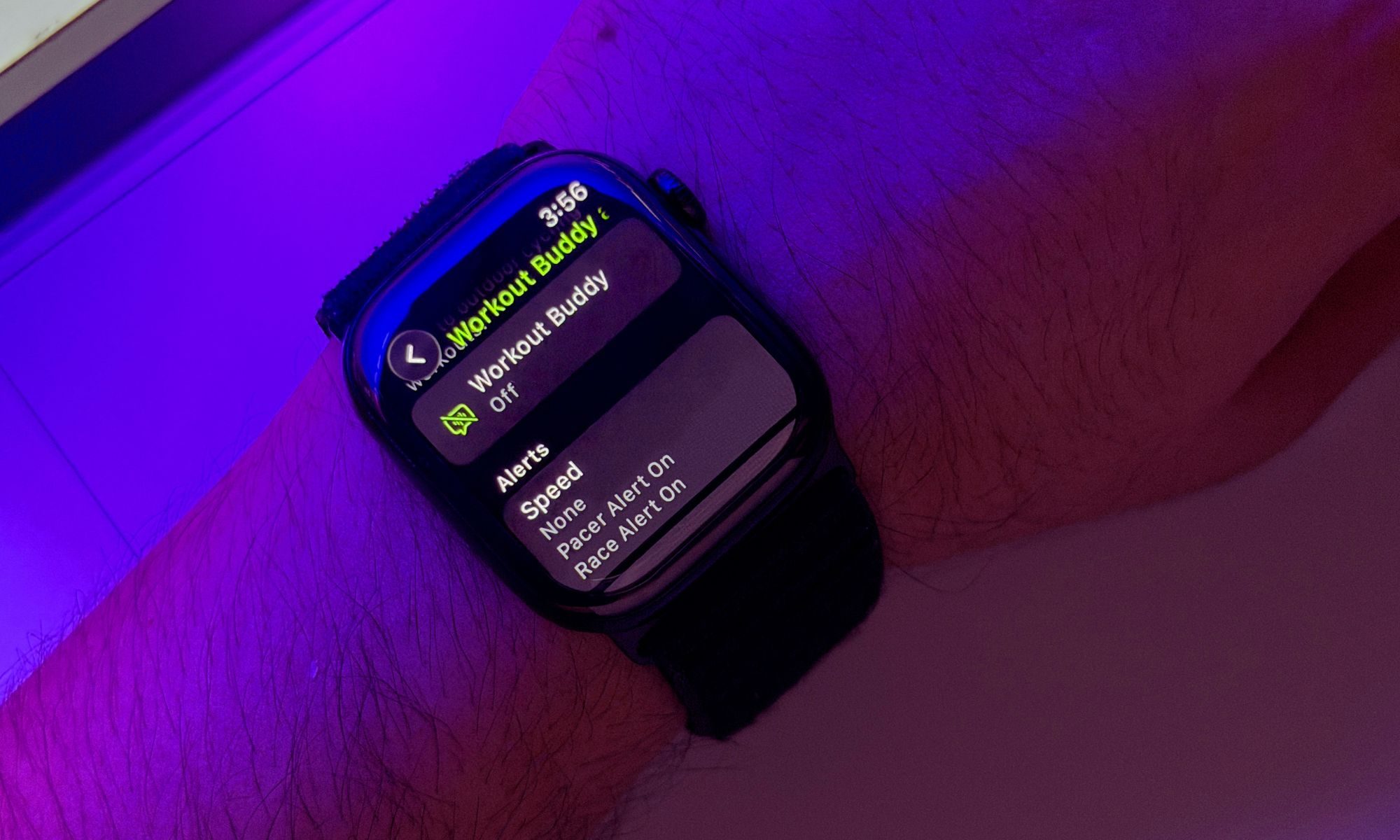
But most importantly, it speaks words of encouragement into your ears. And here’s the more critical element. The reading of your activity milestones is not robotic. On the contrary, it’s the voice of over a dozen Apple Fitness Plus trainers.
It’s almost as if your coach has been monitoring your run from afar, and he is in constant touch with you through earbuds. Unlike Samsung’s implementation of a running coach on the Galaxy Watch 8, Apple’s solution focuses more on positive reinforcement.
It will nudge you about the status of your daily target, how you’ve reached a new milestone on a particular day, and what the progress is going to look like if you continue the streak. It really helps boost morale, without bogging you down about how much work is still left.
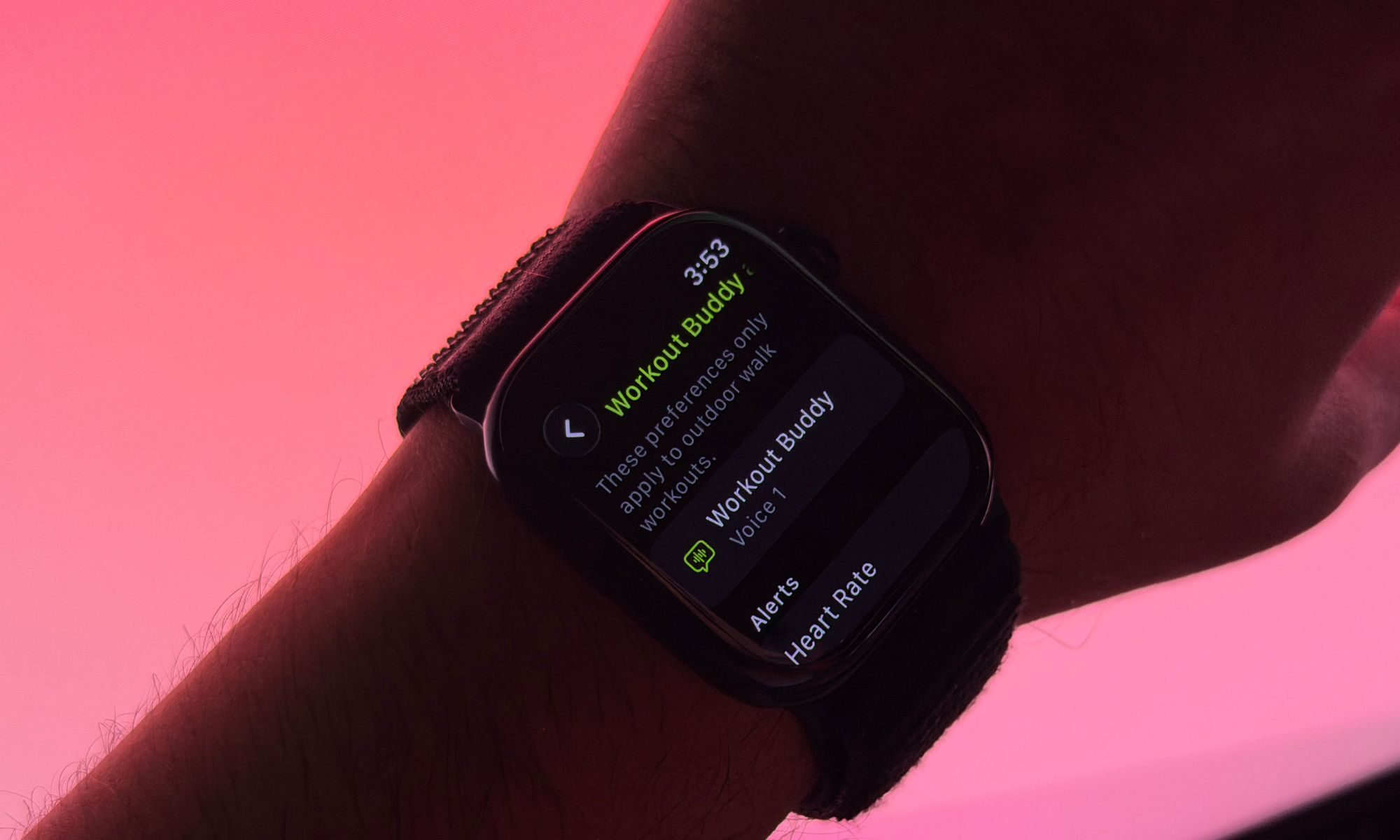
The human touch, and the focus on keeping the conversation on the bright side, is a fantastic tactic. It worked for me. Every morning I set out for a run, or prepare for a high-intensity workout, the workout buddy pats my back about the progress, and congratulates me at the end.
Maybe the idea of listening to a few words of encouragement, or “someone” to appreciate my efforts, is what I really needed to stay on track and get rid of my anxiety. Either way, it worked.
I’d like to point out that it’s an Apple Intelligence feature, which means you’ll need a phone to process the workout data and use an AI voice model to turn it into speech. It’s not too different compared to talking with an AI chatbot, except this one isn’t too chatty. It just keeps an eye on your hard work and lets you know that you did well.
As far as the support goes, Apple’s Workout Buddy can handle indoor and outdoor runs, walking sessions, cycling, elliptical, hikes, strength training, and high-intensity interval training (HIIT).
No more charging anxiety
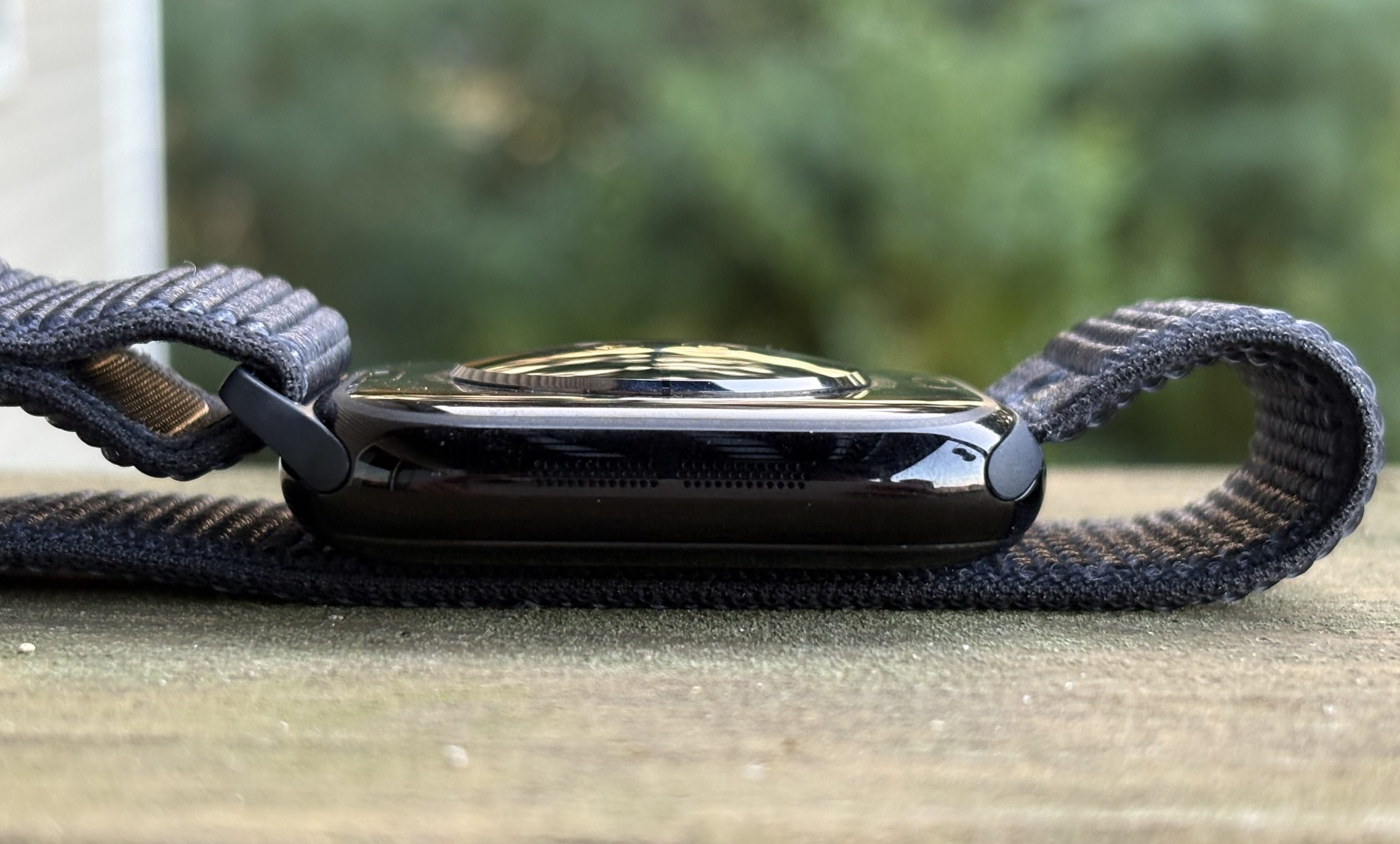
The Apple Watch Series 11 helped solve another kind of anxiety for me — battery mileage and charging. So far, every mainline Apple Watch that I’ve tried has restricted me to a routine.
At the end of each workday, I habitually return to the charging puck and let it top up the battery before I can wear it again to track my sleep. The situation is similar for any person who is wearing an Apple Watch that is two years old or more.
Owing to the small size, the smartwatch’s battery loses its electrochemical mojo, and its charge retention capacity goes down. As a result, the watch lasts fewer hours per charge. So, you either get a battery replacement or charge the watch at least twice in a full day to handle workouts, sleep tracking, and every iPhone-connected chore in between.
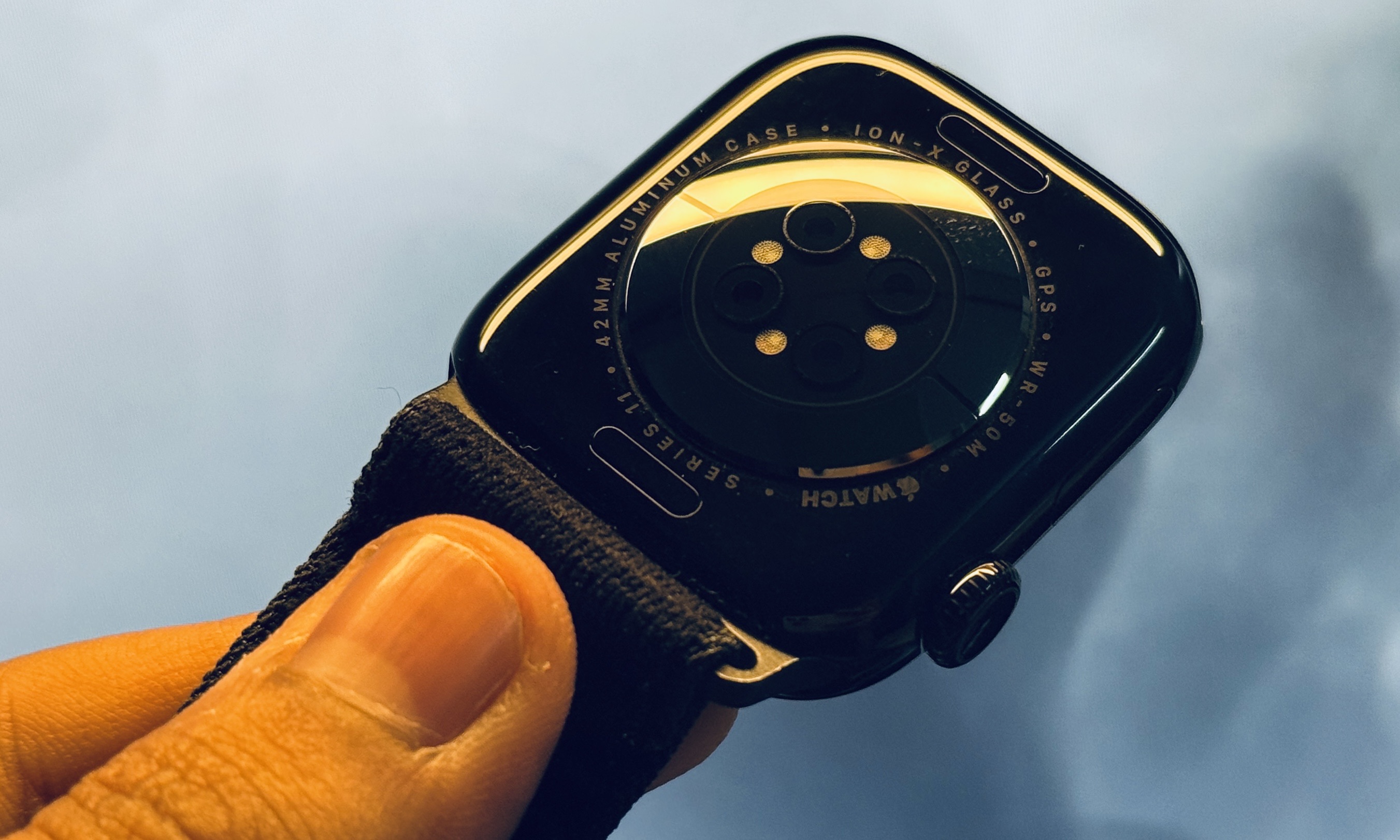
On the Apple Watch Series 11, the mileage has finally gone up. Instead of the 18-hour per-charge efficiency that has been touted for all Apple smartwatches so far, the latest one finally climbs to 24 hours. That means you can handle everything from fitness tracking to sleep assessment, without having to put the watch on a charging pad and refuel it.
It’s a huge sigh of relief, and it eased my daily routine. Nowadays, I only charge my smartwatch in the morning. In the spell that it takes me to fix my breakfast and handle other chores, the watch is ready to go for a full day. Support for faster charging on the Apple Watch Series 11 definitely comes in handy.
Sleep intelligence, for the masses
I’d like to point out another aspect that ties into the overall theme of convenience and bursting the smartwatch anxiety bubble. I take a fairly scientific route to analyzing my sleep data and read research papers on a daily basis about hyperspecific benefits of proper REM sleep, impact of deep sleep, the cognitive benefits, and the rest.
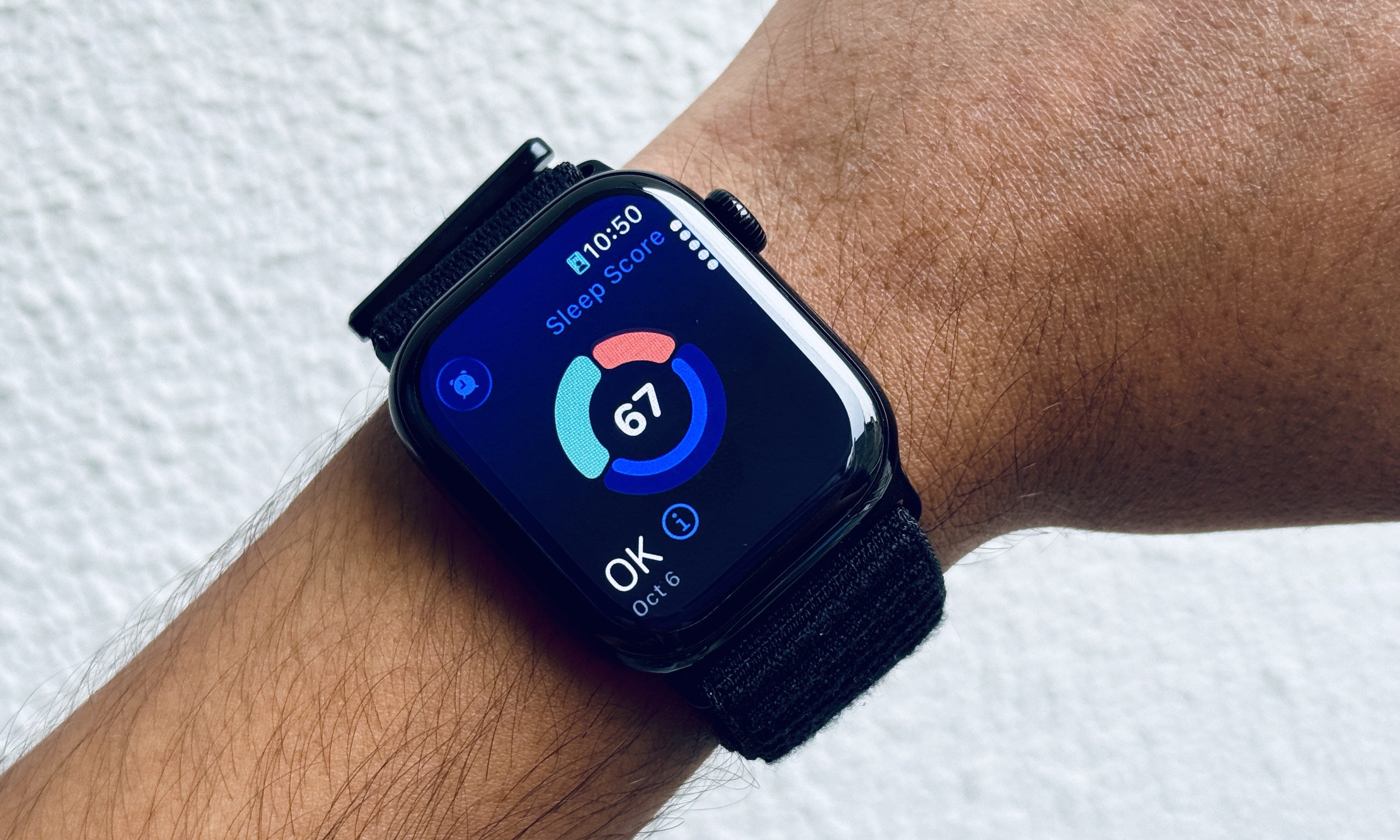
It’s just part of my job. The Apple Watch does a fairly good job of breaking down the sleep stages and creating a long-term log of your sleep habits. But not every person has the time for that. And not many people even know the nitty-gritty of the four-stage shut-eye time tracking.
With the arrival of watchOS 26, Apple introduced a new Sleep Score system. Essentially, this one rates your sleep on a scale of 1-100, mixing qualitative analysis of your sleep stages with quantitative tracking in the purview of the target you’ve set for your sleep goals.
It’s much easier to grasp for an average user, and I’ve grown accustomed to checking the sleep score instead of seeing the graphical breakdown lately. It’s a thoughtful feature addition, and I hope that a similar system is developed for other activity metrics, as well.
At the end of the day, smartwatches were meant to serve as convenient channels for health and wellness tracking. For me, the Apple Watch Series 11 has marched the closest to that goal, and helped me shed the anxiety of living with a wearable in more ways than one.