  1. Home
  2. Wearables
  3. News

Bremen researchers uncover mobile health apps with a bad case of data leakage

Turns out your step tracker has been running to the US with your data

Add as a preferred source on Google
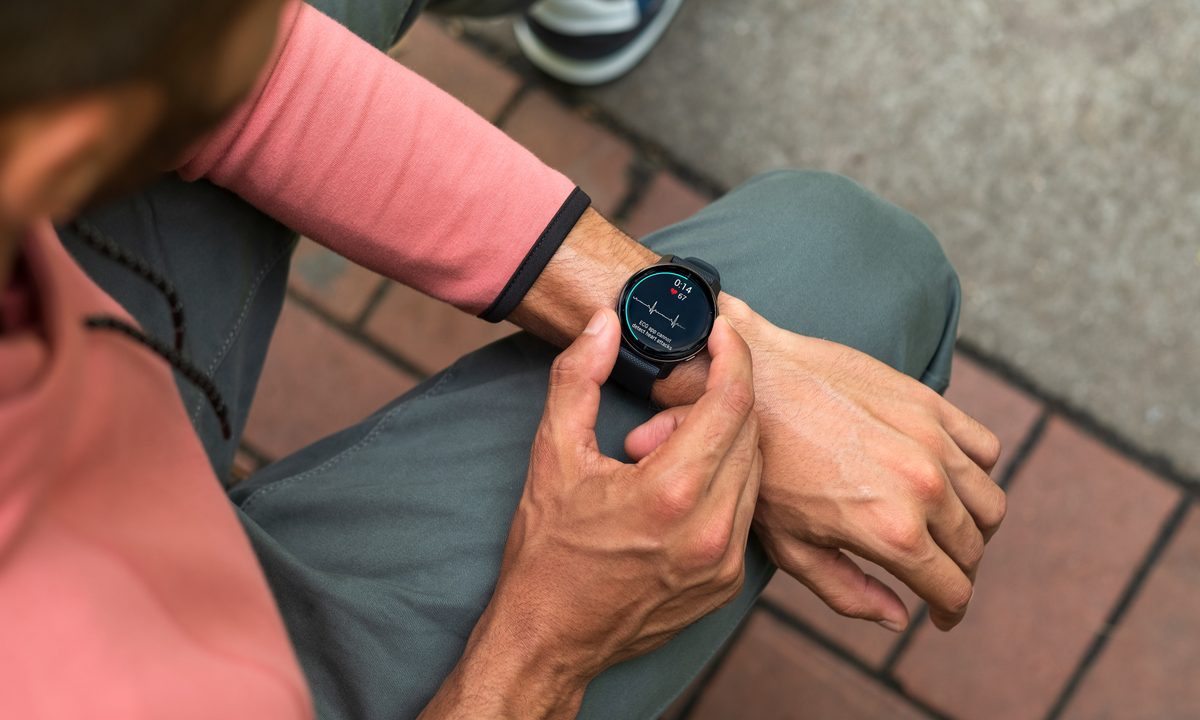
Garmin Venu 2 Plus smartwatch with new ECG App
Garmin

What Happened: You know all those health apps on your phone? The ones you use to track your workouts, your sleep, your diet, or even your menstrual cycle?

  • Well, a new study from researchers at a German university just dropped a bombshell: a lot of these apps are sharing your personal data before you even agree to anything.
  • A team at the University of Bremen looked at 20 popular health apps and were pretty shocked by what they found. Every single app they tested was sending user data to other countries, especially the U.S.
  • They also found that these apps are using “dark patterns” – which is just a fancy term for a sneaky, manipulative design – to trick you into granting permissions you’d probably say no to if you knew what was really going on.
Why This Is Important: Here’s the really sketchy part. On paper, these apps look like they’re following the law, like the big GDPR privacy rules in Europe.

  • But in reality, they’re completely ignoring the spirit of those rules. The researchers caught some apps sending out data, like your advertising ID, the second you opened them – before you ever had a chance to hit “I agree.”
  • And get this: for apps made for a German audience, 10 out of 16 had their privacy policies only in English. How is anyone supposed to know what they’re agreeing to? Even if you could translate them, the policies were super vague, talking about sharing your data with “partners” or “service providers” without ever actually naming who they are.
  • As the lead researcher said, “Trust is crucial, especially when it comes to sensitive health data.”
Recommended Videos

Why Should I Care: So, what does this mean for you? It means that really personal, sensitive information from your fitness or health app could be getting sent all over the world – from the U.S. to China – without you having a clue.

It’s a pretty scary reminder of how little say we actually have over our own private info, and how these apps are literally built to trick us into coughing it up.

What’s Next: So, the good news is the researchers aren’t just dropping this report and walking away. They’re now working on building tools that can automatically catch these apps in the act, sniffing out the data leaks and all those sneaky designs.

The whole point is to help the good guys (developers and regulators) clean this mess up and finally force these app companies to be straight with us.

This whole thing is just a massive red flag. We’ve got to start demanding better, clearer rules to make sure the apps that are supposed to be helping us aren’t just selling our secrets.

Moinak Pal
Moinak Pal is has been working in the technology sector covering both consumer centric tech and automotive technology for the…
Apple clears the air on watchOS 27 skipping multiple models, and you can partly blame AI for it
Siri AI on watchOS 27 needs muscle your older Apple Watch doesn't have.
WatchOS 27 running on Apple watches

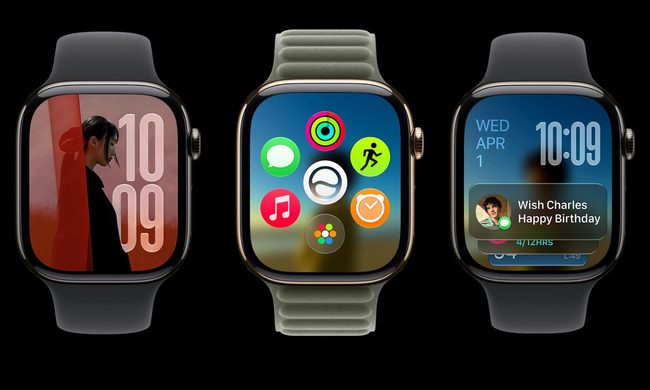
Apple Watch got its biggest software update in years with watchOS 27, but it’s skipping five models to get there. 

If your watch isn't on the compatibility list, Apple offers an explanation that may sound reasonable, but it doesn’t make the pill any easier to swallow. 

Read more
Ultrahuman brings affordable continuous glucose monitoring to US consumers
Ultrahuman wants you to know exactly what that donut did to your body
Ultrahuman M2 Live

Ultrahuman has announced the launch of M2 Live in the United States, expanding access to continuous glucose monitoring and metabolic health insights for consumers without diabetes. The new platform integrates glucose data from Abbott's over-the-counter Lingo continuous glucose monitor (CGM), allowing users to track their metabolic health without requiring a prescription.

The launch represents a significant step for the company, which helped popularize glucose monitoring for wellness-focused consumers when it introduced its first metabolic tracking platform in 2021. With M2 Live, Ultrahuman is aiming to make the technology more affordable and accessible, with subscriptions starting at $99 per month and individual sensors priced at $129.

Read more
Honor’s new Watch 6 brings battery life Apple Watch users dream about
Honor releases a sporty smartwatch that will outpace your endurance
Honor Watch 6

Honor has officially launched the Honor Watch 6 globally, with a headline feature that deals with the daily charging annoyance of most smartwatches. As the name suggests, it is the successor to the Watch 5 series. The company claims the Watch 6 can last up to 35 days in long-endurance usage, or up to 17 days with more regular use. Even with GPS enabled for outdoor sports, Honor says it can last up to 42 hours.

This separates it from mainstream smartwatches like the Apple Watch and many Wear OS rivals, where charging every day or two is still very much part of the deal. It is backed by its large 980mAh cell that is packed into a surprisingly slim 10.8mm body, which weighs just 41 grams without the strap.

Read more