  1. Home
  2. Emerging Tech
  3. News

This AI app is helping visually impaired people find and navigate objects around them

Real-time object detection, guided by sound and vibration

Add as a preferred source on Google
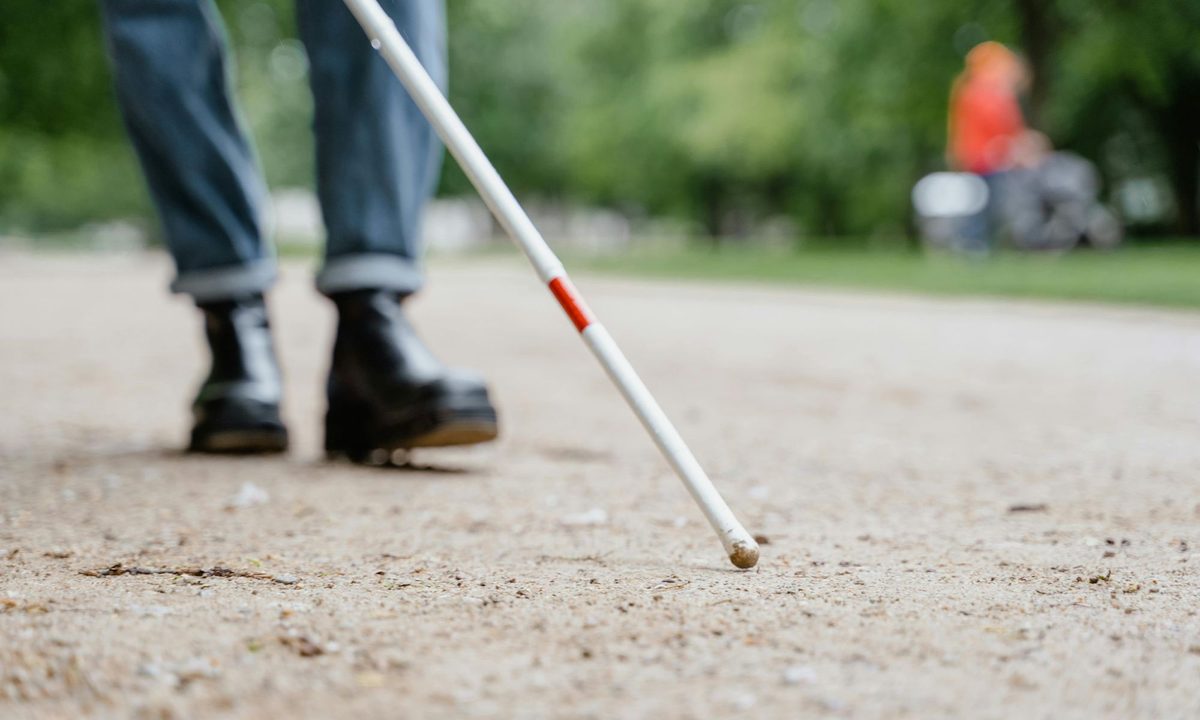
visually-impaired-person-walking-with-stick
MART PRODUCTION / Pexels

What’s happened? For people who can’t rely on sight, a new AI tool is stepping in as an extra set of senses. Researchers at Penn State have developed an app called NaviSense that can locate objects in real time using voice commands, then guide users toward them using spatial audio cues and vibration feedback from the phone.

  • The app tracks the position of objects around you using a camera sensor input.
  • It translates spatial information into sound cues to guide users towards the object.
  • Since NaviSense works in real-time, it requires no long setup or manual marking of objects.
  • Designed to help visually impaired users navigate indoor and outdoor spaces more safely.
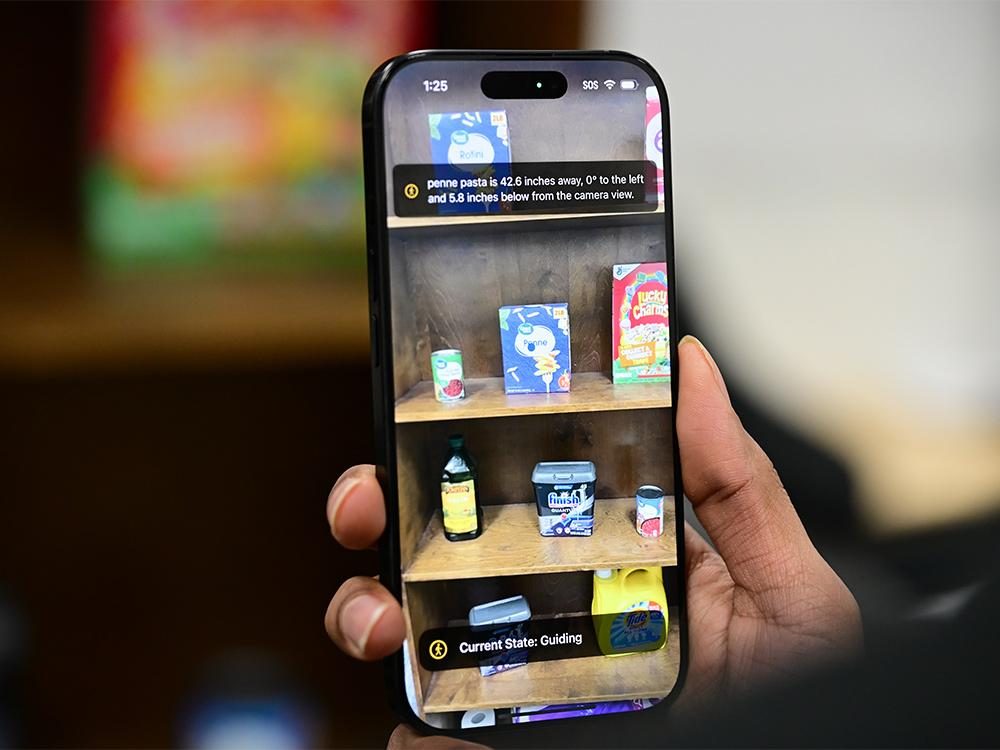
This is important because: Previous systems made for the visually impaired required preloaded object models, which made them slow and limited. NaviSense overcomes this limitation by connecting to an external server powered by AI models to recognize objects in real-time based on voice command, without pre-training the environment.

Recommended Videos

It utilizes the smartphone camera, spatial audio, and vibration to guide you toward an object, telling users if it’s left, right, up, or down, and giving a “bullseye” confirmation when their hand is in the right spot. The app also tracks hand movement through phone motion, asks follow-up questions if your request is unclear, and adapts instantly to new spaces like kitchens, sidewalks, or stores.
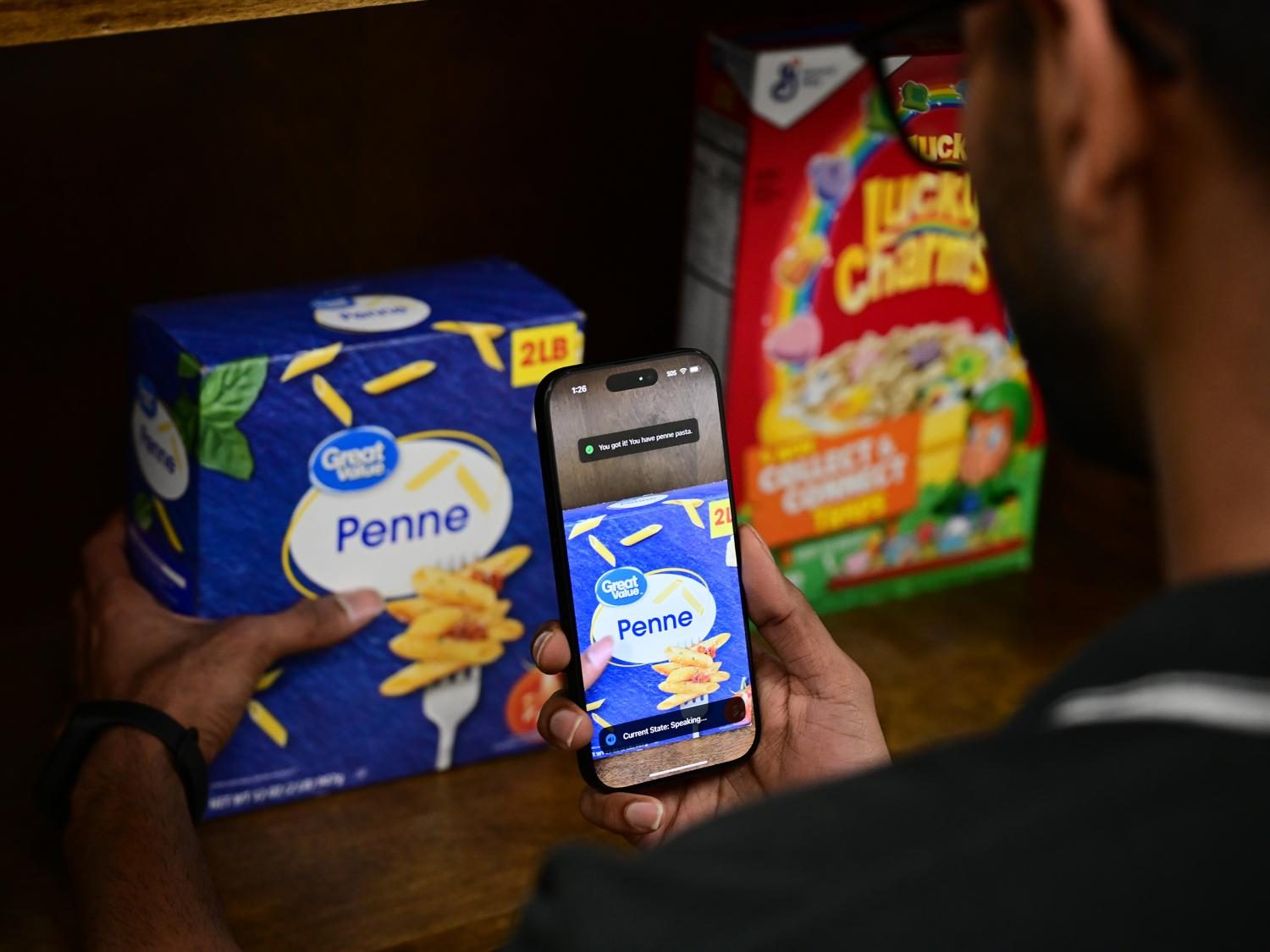
Why should I care? Even if you’re not visually impaired, this shows how AI can bridge gaps and make everyday life more accessible. In a world where technology too often feels flashy, this one feels deeply human.

  • NaviSense could give visually impaired individuals far more independence and confidence while navigating unfamiliar spaces.
  • The technology could be built into smartphones or wearables, making it more accessible in everyday situations.

OK, what’s next? Vijaykrishnan Narayanan, an Evan Pugh University Professor working on NaviSense, said, “This technology is quite close to commercial release, and we’re working to make it even more accessible.” AI often sounds futuristic or abstract, but this is the kind of real-world impact that hits home.

Manisha Priyadarshini
Manisha Priyadarshini is a tech and entertainment writer with over nine years of editorial experience.
Horror films play music to warn about danger. These headphones use the same trick to save you from robots
Spherephones replaces factory alarms with music that tells you what is coming and from where.
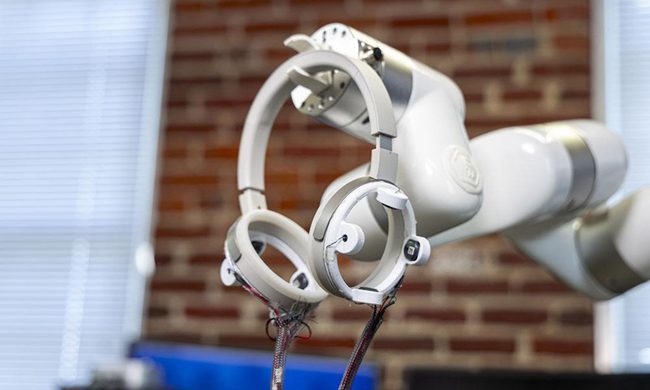
spherephones-georgia-tech

The ear has always processed what is coming before the eye does. In horror movies, the music always tells you something bad is coming. Now researchers at Georgia Tech are using the same idea in real life to keep factory workers safe around robots.

They have built a wearable headset called Spherephones that converts nearby robot movement into spatial music, giving you a warning before a machine gets too close. It helps the user stay aware without breaking their attention.

Read more
Elon Musk refutes report claiming that an AI device is in development at SpaceX
The billionair's two-word denial on X doesn't explain what part of the Wall Street Journal's report he's disputing.
Elon Musk speaking into a microphone with a blue background

Elon Musk has denied a Wall Street Journal report claiming SpaceX showed investors a prototype AI device before its recent IPO. "Utterly false," Musk wrote on X, responding to a post about the report that has since been deleted, offering no further explanation.

A denial that leaves more questions than it answers

Read more
Study finds humans will talk to AI ghosts of the dead as reincarnations, and it’s pretty grim
The first AI ghost study is in. The results are about as complicated as you'd expect.
VR Headset, Person, Face

A new study from the University of Colorado Boulder confirms something that sounds both impressive and concerning. People find interacting with AI simulations of their dead loved ones deeply meaningful, and most will come away wanting to do it again.

The researchers call it a "generative ghost," which is a clear reference to generative AI, but I’d still prefer to call it unsettling.

Read more