The consumer tech industry is facing an ongoing memory crisis. Due to rising demand from enterprise customers (for building AI data centers), memory makers are directing much of their inventory to these clients, leaving little for consumer-centric product manufacturers.
This has led to a rise in price (or a reduction in the total memory) on PCs and smartphones. In the near future, the memory shortage is also said to impact television sets, tablets, smartwatches, and pretty much every other device that uses RAM.
The situation, according to Micron’s VP of Marketing, Mobile and Client Business Unit, Christopher Moore, might not ease before 2028 (via an exclusive interview by wccftech.com).

Micron’s exit from the consumer market signals a strategic shift
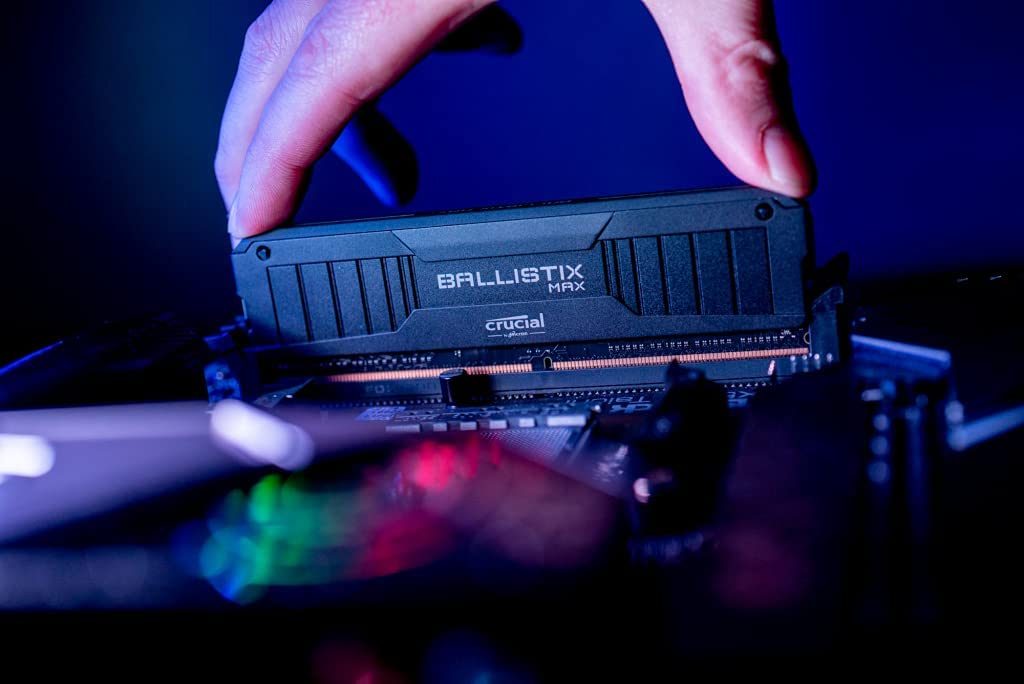
In December 2025, Micron shut its consumer-focused RAM and SSD brand, Crucial, to focus on enterprise and AI markets. This led to a backlash against the company, as it showed a clear inclination toward the rapidly rising demands of the AI sector rather than those of the end consumer.
However, Micron has clarified that a “large portion” of its market share still comes from LPDDR5 RAM modules supplied directly to OEMs such as Dell and ASUS.
Under the OEM model, the company still controls a large share of the consumer supply chain. “Our viewpoint is that we’re trying to help consumers around the world,” says Moore, adding that the company remains connected with “every single” PC maker out there.
The executive explains how the exponential rise in the total addressable market (TAM) for DRAM, driven by the rising demand of AI data centers, is now at 40% (up from 30 to 35%). He also mentions how “50 to 60% of the overall market is requiring more bits” than before.
The company is still serving consumers, but on new terms
While the rise in demand due to the surge in AI applications and data centers is too significant for the company to ignore (i.e., it needs to cater to the market as it’s a good business opportunity), the company “is still servicing the consumer market.”
Even as the company ramps up production, the memory shortage isn’t going away anytime soon, at least not until 2028. Moore confirms that Micron’s massive fab expansion won’t bring any significant relief until 2028.
The company is working closely with PC and smartphone manufacturers to limit RAM configurations, as multiple memory sizes hurt the production yields, but that would only stabilize the supply in the short term. In the end, this means one thing: the memory crisis is here to stay, and it might trouble end-consumers for a couple of years.