  1. Home
  2. Computing
  3. News

The RAM crisis is about to get uglier, and your new gadgets could pay for it

Nvidia’s next AI monster may squeeze the RAM market even harder

Add as a preferred source on Google
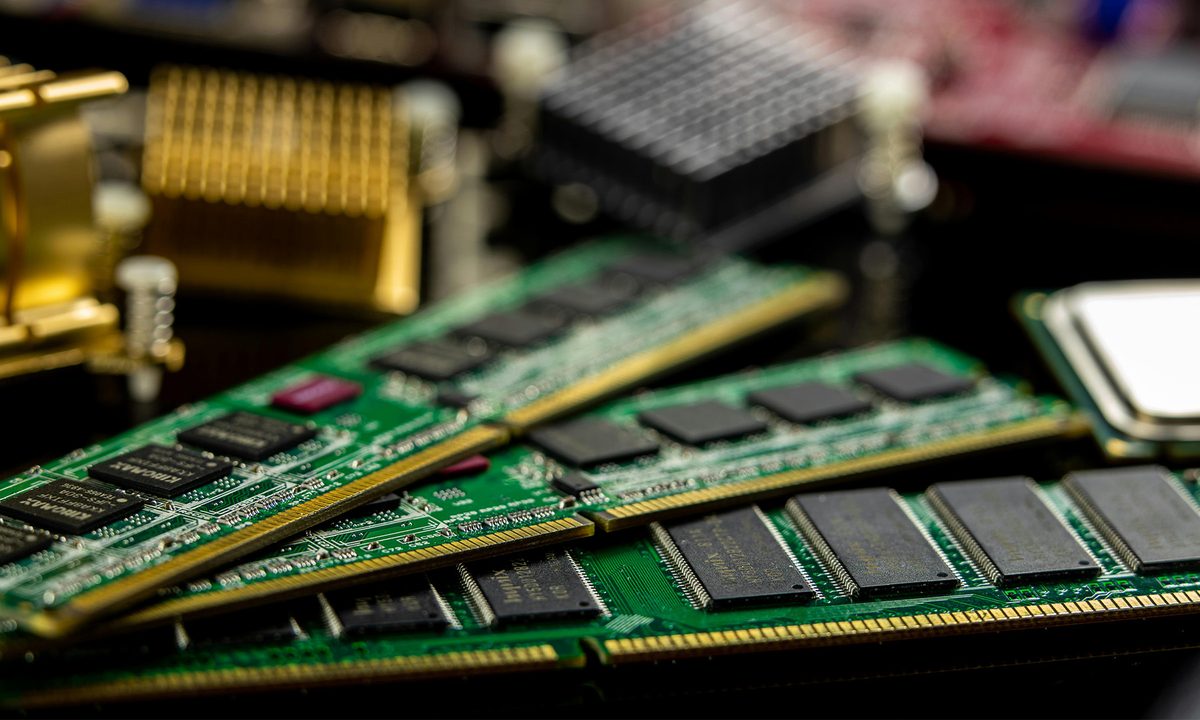
RAM memory chips
Sergei Starostin / Pexels

The memory market is already in terrible shape, and Nvidia’s new Rubin could be kicking it while it’s already down. According to a Fast Company report, citing a forecast from Citrini Research, the company’s next-gen AI platform could require more than 6 billion GB of LPDDR memory in 2027. With the LPDDR (low-powered memory) primarily being used in phones, tablets, and other portable devices, the price hikes might get even worse.

And if the report is true, Nvidia alone may consume more memory than Apple and Samsung combined.

How Rubin is eating into consumer memory supply

Nvidia’s Rubin platform is the company’s next big AI hardware push after Blackwell. The company designed it for the growing demand for generative AI workloads and real-time reasoning, with the next-gen platform expected to be twice as fast as Blackwell. But this growth leads to the problem of scale.

Citrini’s projection puts Nvidia’s LPDDR demand at 6.041 billion GB in 2027, compared with 2.966 billion GB for Apple and 2.724 billion GB for Samsung. Nvidia is expected to surpass each company individually this year, then overtake their combined LPDDR demand next year. This massive demand could put a lot of pressure on the already strained memory supply, especially as Google, AMD, and other AI players also increase their LPDDR needs.

Your next phone or laptop could feel it

With the memory shortage already causing notable price hikes across consumer electronics, new gadgets are feeling the pinch. With many pandemic-era gadgets, like TVs, PC, and other devices, now entering refresh timing, replacing anything from smartphones to smart TVs is a lot more expensive now.

At the same time, memory prices have reportedly climbed 150% to more than 200% over the past year, with storage prices moving in the same direction. The RAM crisis became so bad that even expandable storage might return on smartphones. While Rubin might be a big win for Nvidia, consumers could be hit with painfully higher price tags with their next tech purchases.

Vikhyaat Vivek
Vikhyaat Vivek is a tech journalist and reviewer with seven years of experience covering consumer hardware, with a focus on…
Intel reveals Project Firefly to make cheap Wildcat Lake laptops that rival MacBook Neo
Project Firefly standardizes Wildcat Lake laptop designs so PC makers can chase Apple with lower prices and cleaner hardware
Crowd, Person, Audience

Intel is trying to make budget Windows laptops look a lot less bargain-bin.

Project Firefly, launched in China alongside Intel’s Wildcat Lake laptop chips, gives PC makers a common hardware playbook for thinner, cleaner, lower-cost systems that can take a more direct swing at MacBook Neo. The promise is simple, fewer compromises where budget laptops usually show them most.

Read more
LG just announced a 1000Hz gaming monitor that could give you a real edge in FPS games
The UltraGear 25G590B is the world's first Full HD gaming monitor with a native 1000Hz refresh rate.
LG UltraGear 1000Hz monitor featured.

LG has unveiled the UltraGear 25G590B, the world's first Full HD gaming monitor with a native 1000Hz refresh rate. The 24.5-inch display is built specifically for competitive gaming, where faster visual updates can translate directly to quicker reaction times in FPS titles.

Built for competitive FPS, not just benchmarks

Read more
Alexa+ can now AI podcasts on any topic, if you don’t like human podcasts
Amazon’s latest Alexa+ trick is podcasting without the podcasters
amazon-alexa-plus-on-web

Amazon has just added a new AI feature to Alexa+. This one, however, is designed for anyone who wants a podcast on an oddly specific topic. The company has introduced Alexa Podcasts, a new Alexa+ feature that generates podcast-style audio episodes on demand. Amazon says users can ask for an episode on “virtually any topic,” with Alexa creating the audio in just a few minutes. No documents, uploads, or prep work are needed.

How does this work?

Read more