There was a time when subscriptions felt like a novelty. Those were times of (digital) peace. A seamless payment feature on cool new apps that brought unlimited access (for the month). You paid for Netflix, and maybe Spotify, and that was usually about it.
Now, it’s streaming, cloud storage, fitness apps, editing apps, AI chatbots, random free trials you forgot to kill three weeks ago, and so much more. The subscription economy didn’t just grow — it exploded, with the blast radius covering nearly every corner of the digital space.
It has become so pervasive that there’s a real subscription fatigue, which feels even worse in 2026. People thought they weren’t spending a lot, but many clearly are. The system with recurring payments has become small (in price), automatic, and easy to forget.
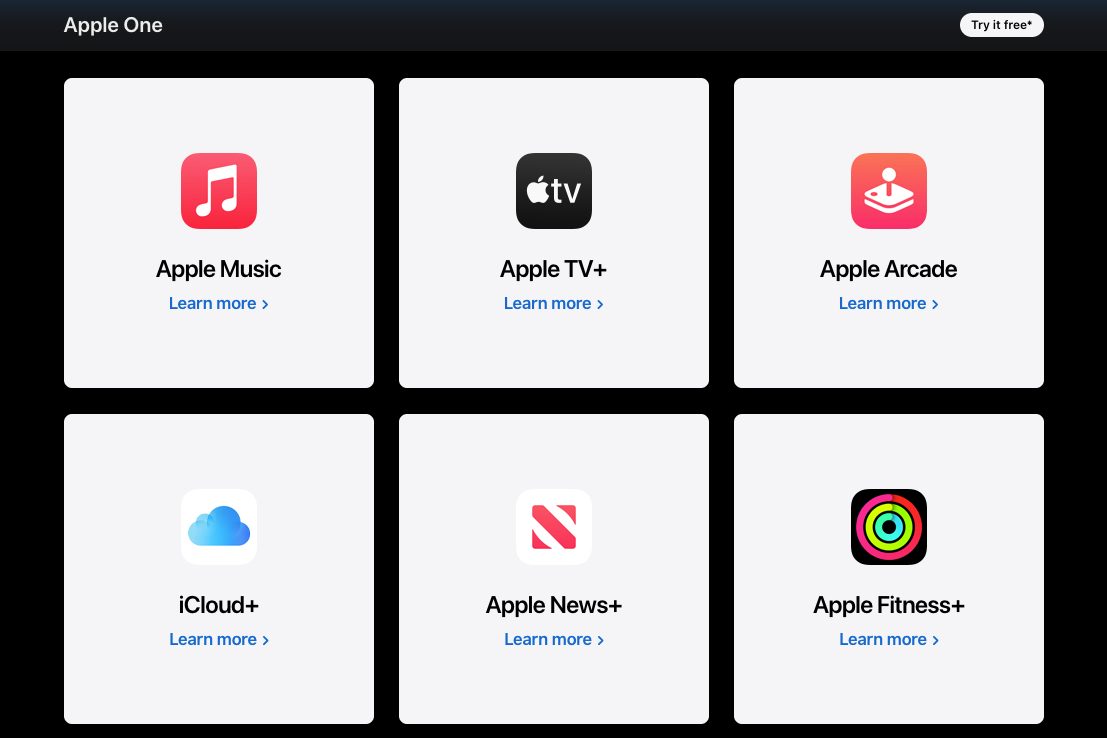
People have begun treating $5.99 or $10.00 charges as harmless when, in reality, the charges are piling up into something uglier over time. Subscription hell isn’t just about greed or convenience. It is also about invisibility.
Why subscription fatigue feels worse than normal spending
You often think twice before making a big purchase, and sometimes that one-off payment can sting a little. But this feeling dissipates over time. Subscriptions do the opposite. You won’t notice as they are hidden, sitting quietly in a corner, billing you for small amounts that you’ll barely notice. So they end up feeling like a bigger drain than a single large purchase. While the pain is less dramatic, it’s always around.
While clearer cancellation rules can reduce the subscription traps, reports point out that behavioral habits like inertia and auto-renewal still keep people paying for services long after they’ve stopped caring. Visibility can help; people don’t need more guilt or another sermon about “being better with money.”
Making them all visible
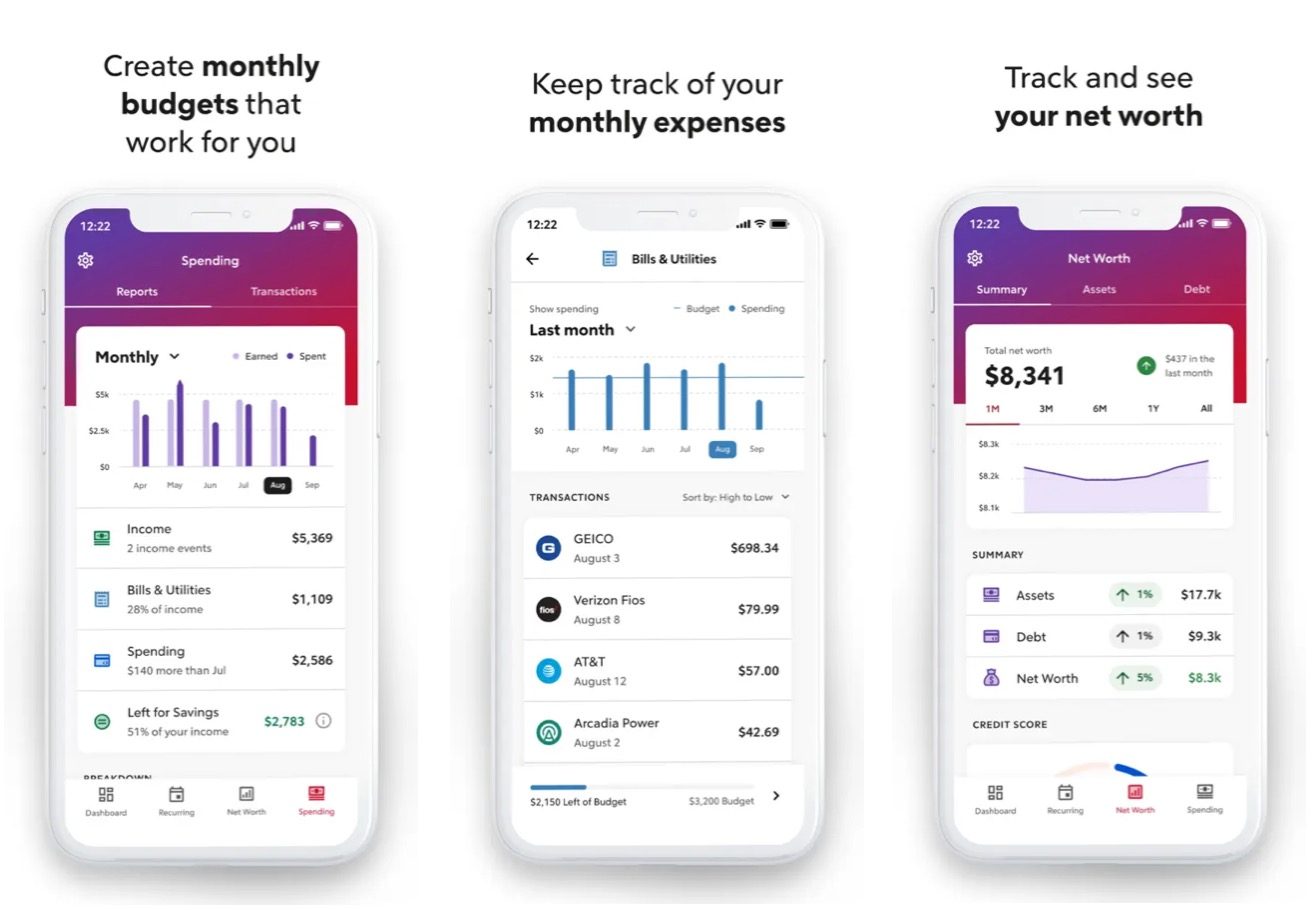
Want to know how you can make your life easier? The answer is rather simple: round them all up. It’s like gathering your bills, but it’s more convenient with a smartphone. Once all your subscriptions live in one place, they stop feeling abstract and start looking like real financial patterns.
We’ve seen apps that track your bill payments and overall spending, but there are even dedicated apps to track all your subscriptions. These break down the walls that they hide behind, arranging them neatly for you to scrutinize.
And, you may not like what you see.
Apple offers a similar function on a basic level, allowing users to cancel any Apple Store subscriptions directly. But many of these recurring payments live outside of the App Store. So if you’re trying to clean house, you may need some professional help.
The best subscription apps are not the flashiest ones
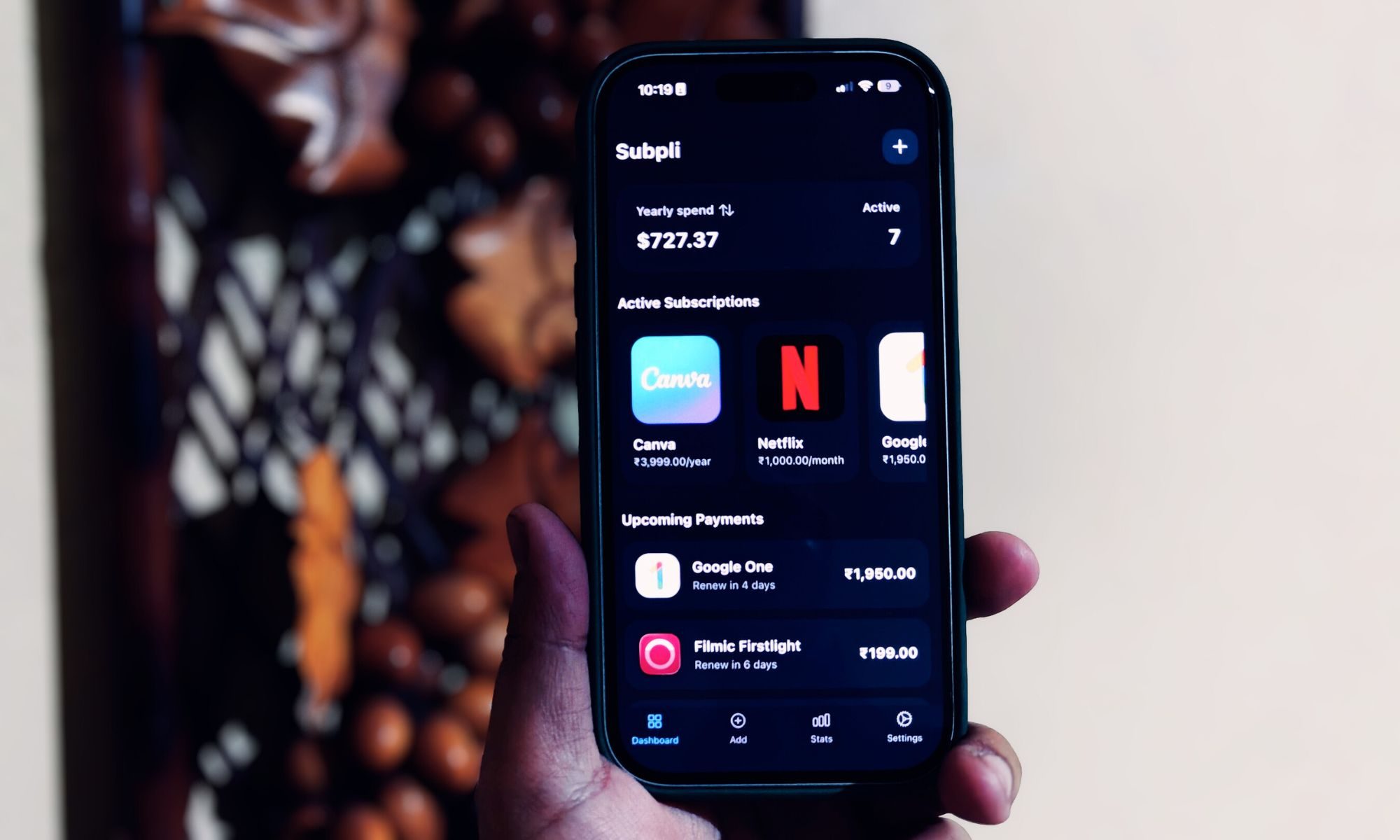
Most people would turn away from bloated finance dashboards, so there is a real demand for simple, focused, and low-friction tools. So with that in mind, here are a few names that often pop up when talking about good subscription managers:
- Subpli first got our attention for being a free app, which is also ad-free. It is available without the mandatory sign-up. It offers renewal reminders, category filters, monthly and yearly totals, and even a guest mode.
- Bobby has been around for a while now and is easily one of the better-known options for iPhones. Its App Store listing highlights hundreds of built-in subscription templates, due-date notifications, and a clearer overview of fixed monthly costs.
- Rocket Money, on the other hand, takes a more aggressive, finance-first approach than the simpler tracker apps. But it pitches itself as a service that will identify subscriptions for you. So you won’t need to manually log recurring payments, while also giving you a concierge-style flow to help cancel some unwanted expenses. That makes it more appealing for people who want a broader money-management tool.
- Subby is another solid app if you want an Android-specific option. It is pretty straightforward, focusing on what matters, like tracking subscriptions and recurring bills in one dashboard, sending cancellation reminders before renewals, and supporting multiple currencies. There are even some extras like widgets and Google Drive backup for Pro users.

It’s even becoming a policy problem
The subscription fatigue isn’t just a personal finance issue anymore. In the UK, the government has already proposed tougher rules aimed at “subscription traps,” including clearer information before signing up, renewal reminders, a 14-day cooling-off period after free trials, and easier cancellation processes. The government says unwanted subscription costs UK consumers about £1.6 billion a year through nearly 10 million of the country’s 155 million active subscriptions that are deemed unwanted.
The consumer data paints a similarly familiar picture. Surveys backed by multiple other findings suggest that US adults spend about $91 a month on subscriptions, while nearly half have forgotten to cancel a free trial. Younger users are also more likely to fall into that trap.
Subscription hell isn’t going away, but it’s time to step up
Companies love the recurring-revenue model, and with consumers still hooked to the convenience, this model is here to stay. But the real question is whether users can claw back some control.
The answer is yes, and it’s only by making it harder on yourself. Taking small steps like checking Apple’s built-in subscription page, searching your inbox for renewal emails, and using a tracker app brings more power to you. Basic visibility is what subscription culture and modern apps are engineered to take away. So seeing the damage clearly might be the only real counter to it.