For years, location permissions have been a bit of a mess on Android. You open an app, it asks for your location, and you’re suddenly making a decision: While using the app? Always? Precise? Approximate? Most of us just tap something and move on, half-aware that we might be sharing more than we need to. With Android 17, that finally changes. It shifts the decision to the exact moment you actually need it. This actually changes everything.
The new location button keeps things simple
The new feature is called the location button. Instead of handing over your location to an app indefinitely, you now get a simple, dedicated button for it. Let’s say you’re trying to find a café nearby. You tap the button, the app gets your precise location for that moment, does what it needs to do, and that’s where it ends. It also reduces those annoying permission pop-ups. Once you allow access for that particular action, the app does not keep asking you again and again.
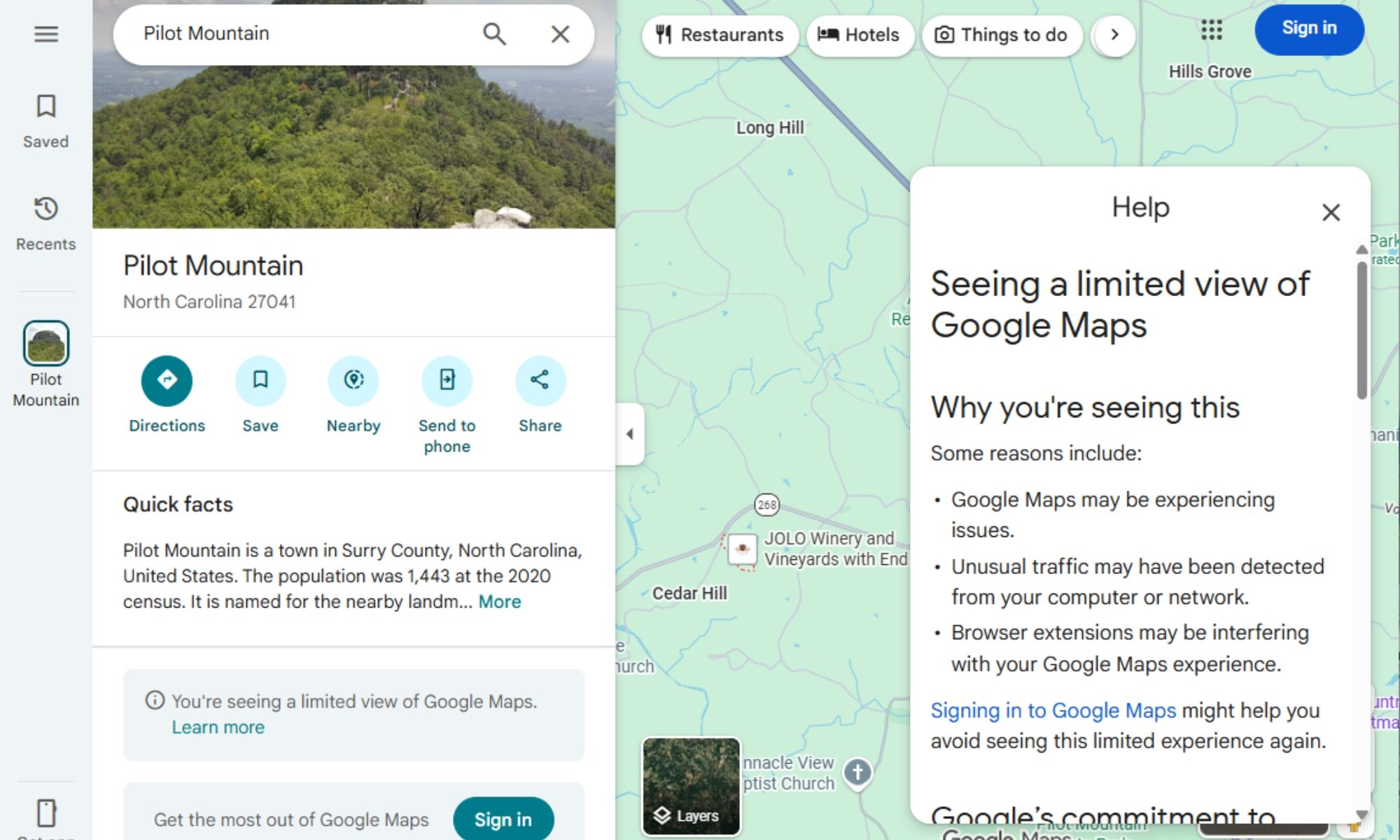
And if you are someone who occasionally wonders, “wait, is something tracking me right now?”, this update will feel reassuring. Android 17 introduces a persistent indicator that shows up whenever an app, not the system, is using your location. You can tap it to instantly see which apps have recently accessed your location, and revoke permissions right there if something feels off. There is also a thoughtful upgrade to how approximate location works. Earlier, Android used a fixed grid to blur your location, which was not always as private as it sounded, especially in quieter areas. Privacy should not depend on where you live, and this finally feels like a step in the right direction.
Permission prompts that don’t feel like a test anymore
The old permission dialogs could be confusing, to say the least. Android 17 gives them a fresh redesign, making options like Precise vs. Approximate location much easier to understand.
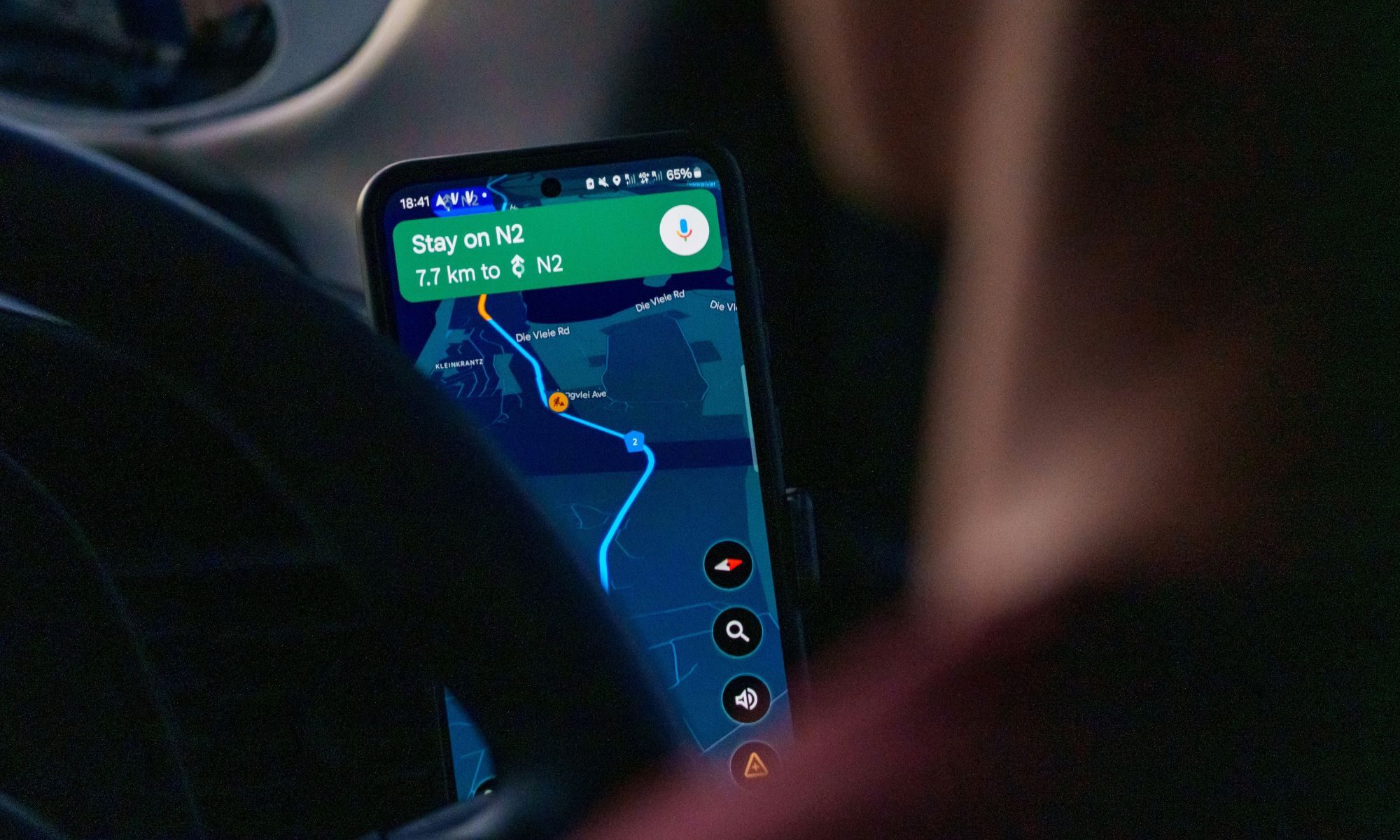
The update also gets something important: not every app needs to track you all the time. Sometimes, you just want to share your location once and move on with your day.