  1. Home
  2. Wearables
  3. News

Meta is building face recognition into your glasses, and civil rights groups are not happy about it

Imagine walking into a room and someone's glasses quietly figuring out who you are. That's what civil liberties groups are trying to prevent.

Add as a preferred source on Google
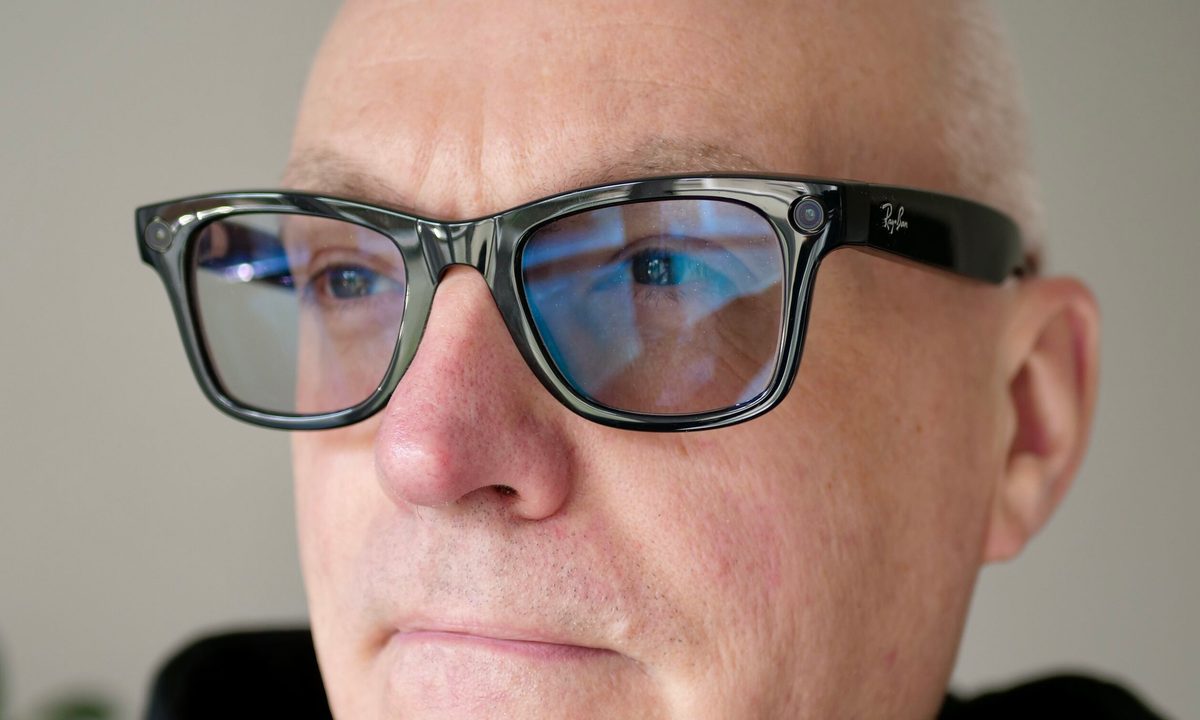
A person wearing Ray-Ban Meta smartglasses.
Andy Boxall / Digital Trends

A coalition of over 70 civil liberties, domestic violence, reproductive rights, and LGBTQ+ organizations, including the ACLU, Fight for the Future, Access Now, and more, has sent a letter to Meta CEO Mark Zuckerberg demanding that the company kill a rumored facial recognition feature for its Meta Ray-Ban smart glasses before it ever reaches consumers.

According to a Wired report, the feature, internally called “Name Tag”, would allow wearers to point their glasses at a stranger and pull up information about them using Meta’s AI assistant. Engineers are reportedly weighing two versions: one that identifies people you’re already connected with on Meta platforms, and a broader version that could recognize anyone with a public Facebook or Instagram account.

Recommended Videos

The civil rights group argues that no amount of design tweaks or opt-out mechanisms can make this feature safe. Bystanders on the street have no way to consent to being identified, and the coalition says the technology could be weaponized by stalkers, abusers, and federal law enforcement agencies.

Why is the timing so suspicious?

What makes this story particularly troubling is a leaked internal Meta memo from May 2025. As reported by the NY Times, the company reportedly noted that it planned to launch during a “dynamic political environment,” where civil society groups would have their attention pulled elsewhere. The coalition has called this “vile behavior,” and rightly so.
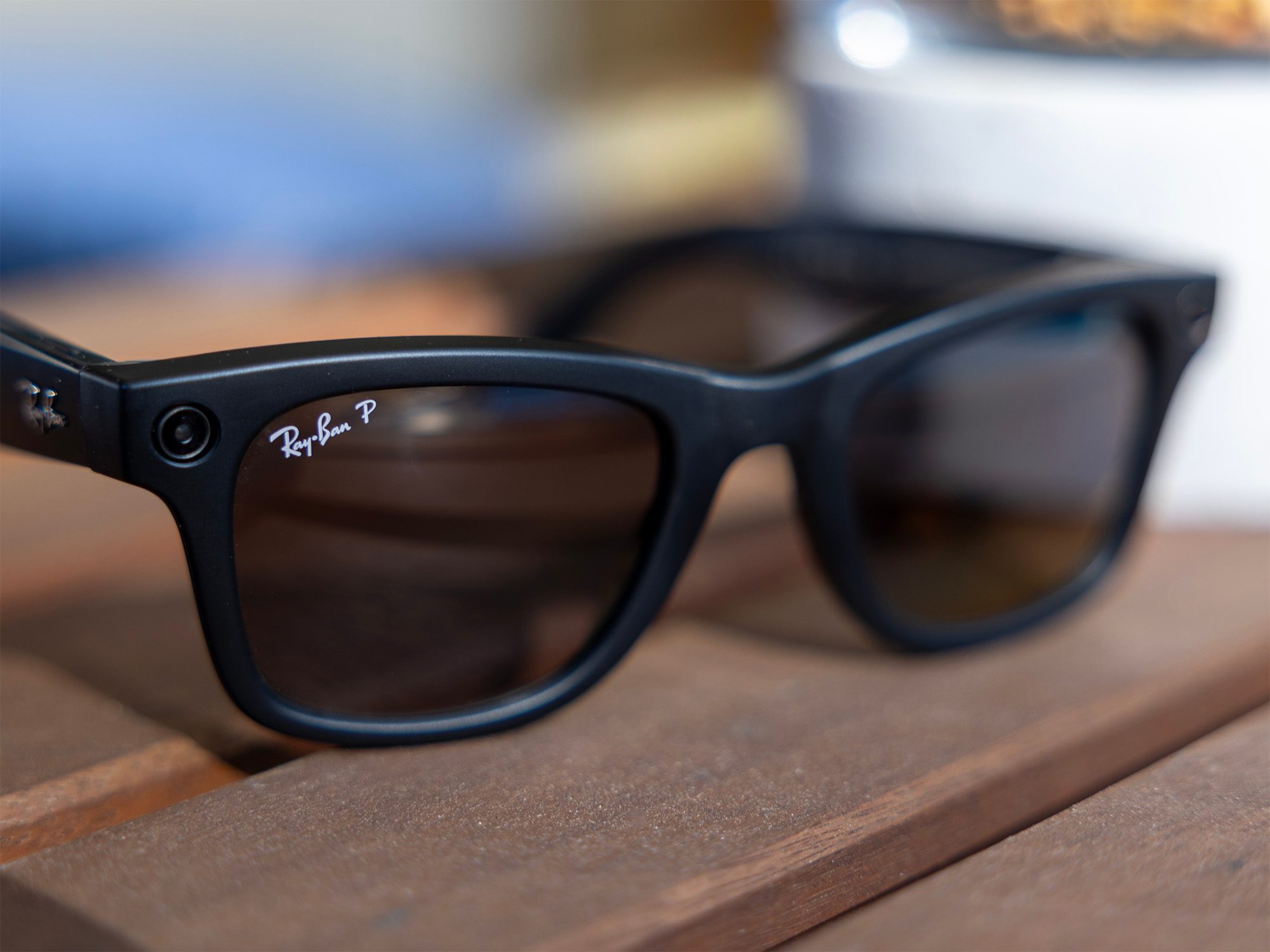
Meta Ray-Bans were already in hot water as an investigation revealed that the smart glasses were sending video recordings of users’ most personal moments for AI training. The new facial recognition feature is another big slap in the face of its customers’ privacy.

Should you be worried?

If you own a pair of Ray-Ban Meta glasses, the existing hardware can secretly record video. Adding facial recognition on top of that would mean anyone you walk past could, in theory, be silently identified and matched to a trail of personal data, and other Meta Ray-Ban users could do the same to you.

I don’t really have high hopes about privacy and security from a company like Meta, but this is really traversing uncharted waters and could potentially cause physical harm to people in the real world. 

Meta has responded by saying it does not currently offer this feature and would take a “very thoughtful approach” before rolling anything out. Whether that promise holds remains to be seen.

Rachit Agarwal
Rachit is a seasoned tech journalist with over seven years of experience covering the consumer technology landscape.
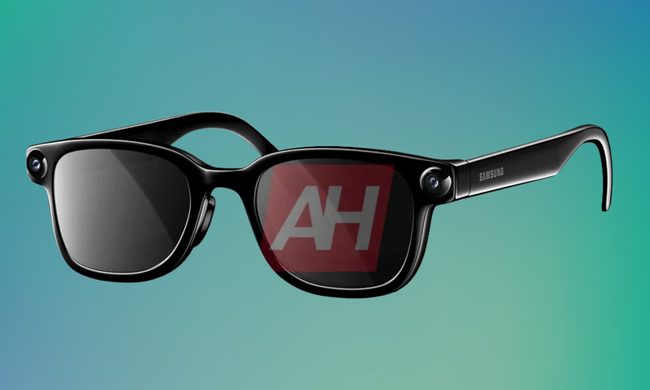
Samsung’s AI smart glasses lined up for July. And yes, Galaxy Glasses could be the name
Samsung is expected to show its first AI smart glasses in July, giving its Galaxy ecosystem a new wearable edge beyond phones and watches
Accessories, Sunglasses, Glasses

Samsung is preparing to show Galaxy Glasses at its next Galaxy Unpacked event in London on July 22, according to reports from Seoul Economic Daily. The wearable is expected to appear alongside the Galaxy Z Fold8, Galaxy Z Flip8, and Galaxy Watch9 series, putting Samsung’s AI smart glasses near the center of its summer launch slate.

For users, the shift is simple. Galaxy AI could move from something you unlock or tap to something you wear, with voice, cameras, and Samsung’s connected-device network doing more of the work.

Read more
Sony’s wearable air conditioner is back, and somehow it got cooler
This tiny Sony wearable AC sounds ridiculous until the heatwave hits
Sony Reon Pro Plus Wearable Mini AC

Sony has just announced a new wearable, and it's not your typical smartwatch, fitness tracker, or pair of AI smart glasses—it's something a lot more practical. The company has introduced the Reon Pocket Pro Plus, which is the newest version of its wearable cooling device. The Reon line has been around for a while now, starting as a crowdfunding project back in 2019. After expanding across Asia and a few Western markets, the upgraded model is now heading to the UK and Europe.

How the Sony wearable keeps you cool

Read more
Sony’s new luxury headphones could fix the XM6’s biggest problem
Electronics, Headphones

We recently reported that Sony could be working on a new pair of premium headphones that might make even the AirPods Max feel relatively affordable. Now, fresh leaked renders shared by Steve H. McFly, in collaboration with Android Headlines, are giving us our first proper look at what’s reportedly called the ColleXion headphones. And honestly? They look very Sony. The Black and White variants instantly reminded me of the Sony WH-1000XM6, especially with the clean, understated design language. Sony seems to be leaning even harder into minimalism this time around, and personally, I think that works in its favor. A lot of headphones today try too hard to look futuristic or flashy. These, at least from the renders, feel far more refined and grown-up.

What is more interesting, though, is the hinge redesign. The XM6 received its fair share of criticism over hinge durability concerns, and according to the report, Sony is reportedly trying to address that with an entirely new hinge mechanism on the ColleXion. From the renders alone, the design does look noticeably different, so there is a good chance Sony is finally taking those complaints seriously.

Read more