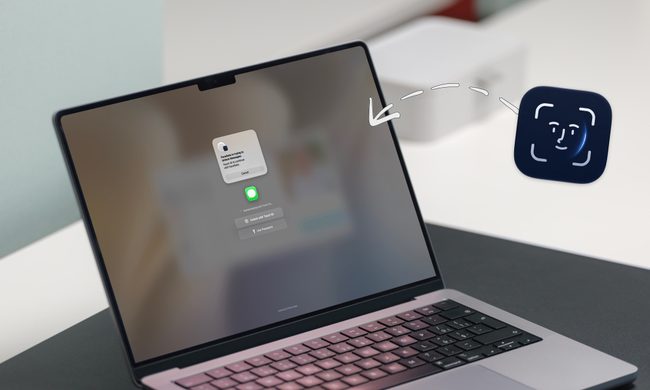
I really didn’t want to believe it, but here we are. Apple is now looking like the sensible laptop brand. Not the cool underdog. Not the affordable alternative. Apple, in 2026. The reason is not that the company suddenly became generous, but rather the rest of the competition has suddenly become so deranged that a MacBook lineup starting at $599 feels weirdly grounded.
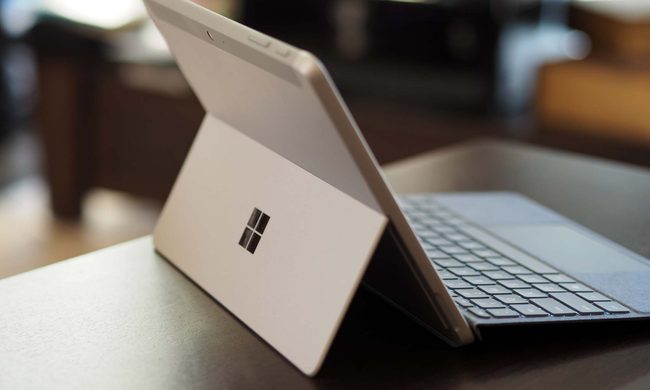
Apple’s MacBook Neo starts at $599, while Microsoft’s own 13-inch Surface Laptop now starts at $1,199 after this month’s price hikes. This isn’t a small gap that you can ignore. Meanwhile, Apple’s MacBook Air with M5 starts at $1,099 with 16GB of memory and 512GB of storage, which looks like one of the few premium laptops still priced by human beings.
Why Apple feels like the right choice in 2026
The big issue that is affecting pricing the most is the memory shortage. Gartner says that DRAM and SSD prices are projected to jump 130% by the end of 2026, which is pushing PC prices up 17%. Meanwhile, the sub-$500 entry-level PC segment is expected to disappear by 2028, and AI PC adoption will slow because the prices are just getting too ugly.
TrendForce is even more blunt: AI demand has created a memory supercycle, with DRAM makers prioritizing HBM and server-grade products while consumer electronics take the hit. In other words, AI did not just make laptops more expensive. It redirected the industry’s attention away from making affordable ones at all.
This is not just one company overshooting, but a whole category losing the plot.

Microsoft and the Windows crowd have no real answer
Microsoft’s Surface pricing is the cleanest example of how broken things have become. Their latest Surface lineup is seeing price hikes of up to $500, pushing the entry point to over $1,000, while their high-end PCs are basically competing with the latest MacBook Pro.
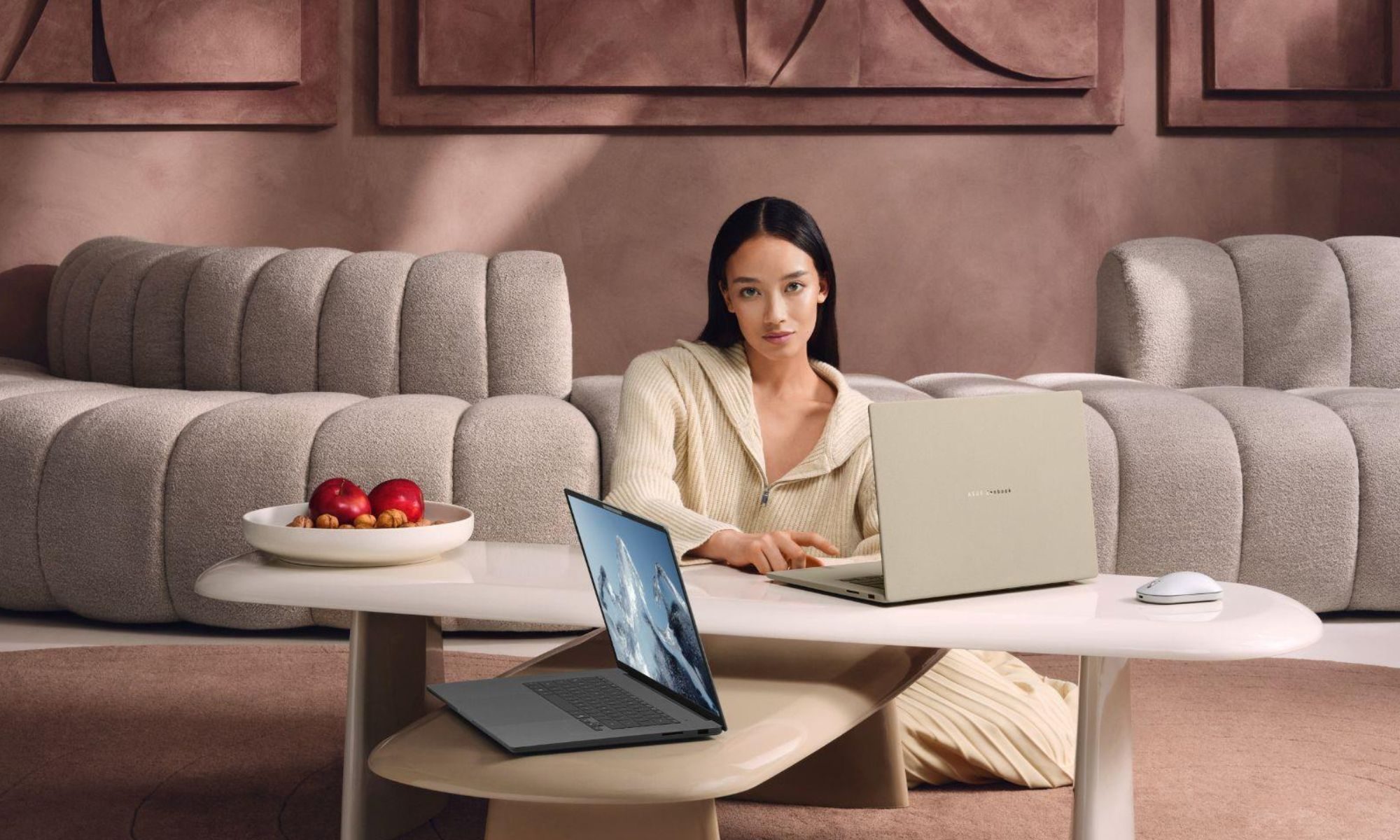
And I kept hoping ARM laptops on Windows would be the part that finally changed the equation. Qualcomm seemed to have that potential, initially, with their thin designs, strong battery life, and Apple-like efficiency. But reality in 2026 was harsh on Snapdragon-powered notebooks as well. ASUS’ new Zenbook A14 and A16 launched in the US at prices that quickly shifted upward once reviews went live.
The A14 jumped to $1,349 and the A16 to $1,699. This price hike was even reflected in other regions. And that is what makes this so maddening. I wanted Windows OEMs to catch up to Apple on efficiency and undercut them on price. With the new AMD Ryzen AI and Intel Core Ultra series, we were nearly entering a golden era for Windows laptops—finally, performance with efficiency.

Instead, we got the AI memory crunch that created the exact opposite outcome. PC industry now looks like it has no answer beyond “sorry, components are expensive.” Gartner’s latest shipment report even says vendors and channels inflated first-quarter inventories ahead of expected second-quarter price hikes tied to memory inflation. So everyone saw this coming, yet we’re still here.
Apple didn’t become consumer-friendly. The rest of the market just became indefensible
The callout is pretty straightforward here. Apple did not rediscover its old motto of “Does More. Costs Less”. The rest of the laptop industry simply got so expensive, so confused, and so inflated that Macs now look like the obvious value play. That should be a problem for Microsoft. It should be worrying for ASUS. And it should be a massive red flag for anyone who thought the AI PC era would bring better choices instead of just more expensive ones.
I wanted Windows laptops to fight back. I wanted Snapdragon X2 machines to hit the price-to-performance sweet spot that M-series Macs have owned for years. Instead, AI-triggered RAMmageddon turned Apple into the sane option—and that is one of the most damning things I can say about the laptop market in 2026.