For a long time, monitors followed a predictable path. Resolution improved, refresh rates increased, and panel technologies evolved at a steady pace. Upgrades felt incremental, not transformative.
That pattern is starting to shift.
A new wave of display technology is changing what monitors are capable of, and more importantly, how they are being used. OLED is becoming more practical beyond gaming. Refresh rates are pushing well beyond what most users once considered necessary. Higher-resolution formats are beginning to replace traditional multi-monitor setups.
These are not isolated developments. Together, they point to a category that is expanding in multiple directions at once.
OLED is moving beyond its limitations
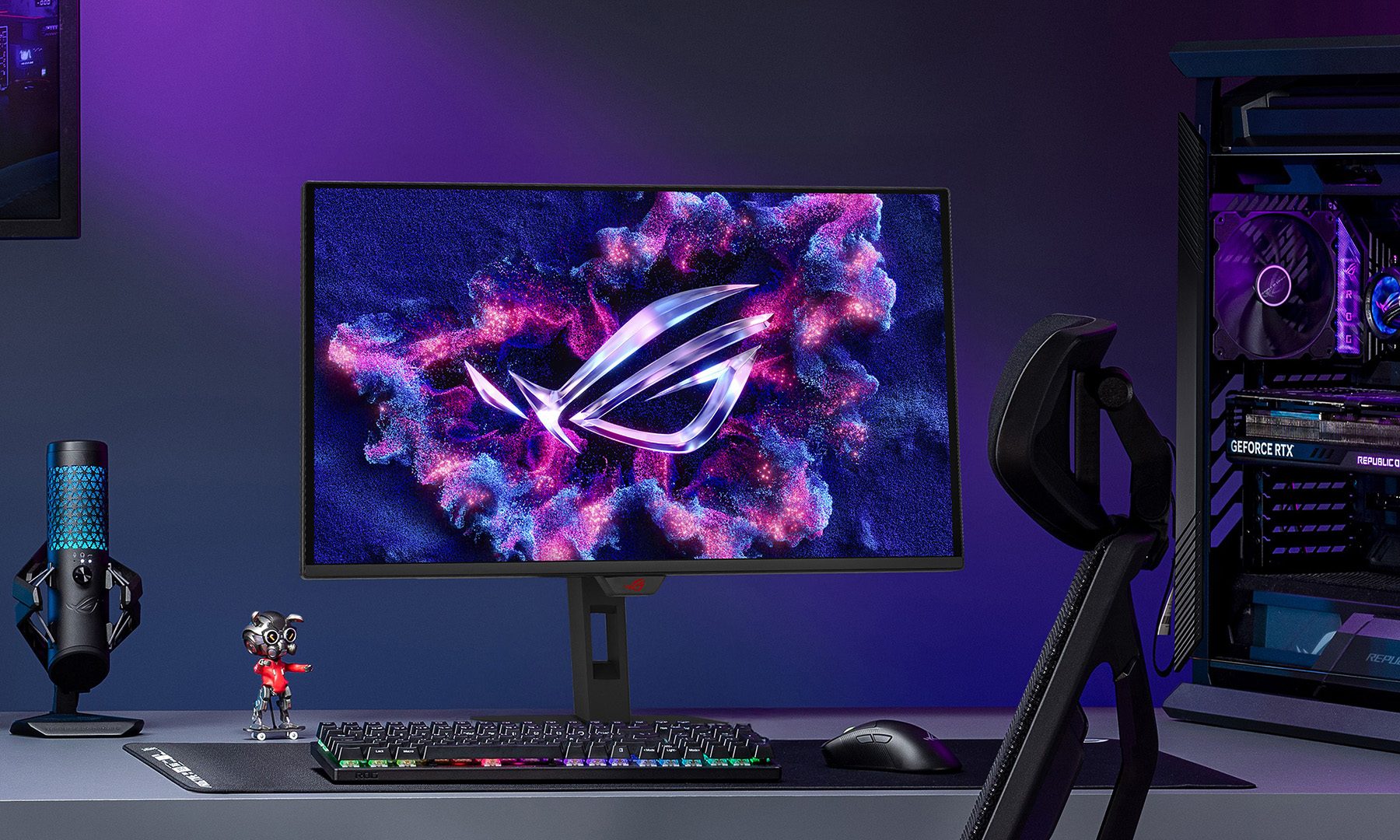
OLED has long been associated with gaming, largely because of its contrast and response times. The experience is still difficult to match with traditional LCD panels.
The challenge has always been everyday usability.
Earlier OLED monitors often struggled with text clarity due to subpixel layouts that were not optimized for desktop use. Performance in brighter environments also reduced perceived contrast, which limited their versatility.
Recent QD-OLED panels are addressing both concerns. RGB stripe layouts are improving text rendering, making these displays more suitable for productivity. At the same time, panel-level enhancements are helping maintain deeper blacks even in well-lit environments.
This shifts OLED into a more balanced position. It is no longer limited to a single use case.
This shifts OLED from a specialized option to a more balanced, all-purpose display category.
Refresh rates are reaching extreme levels
Speed continues to be another major focus.
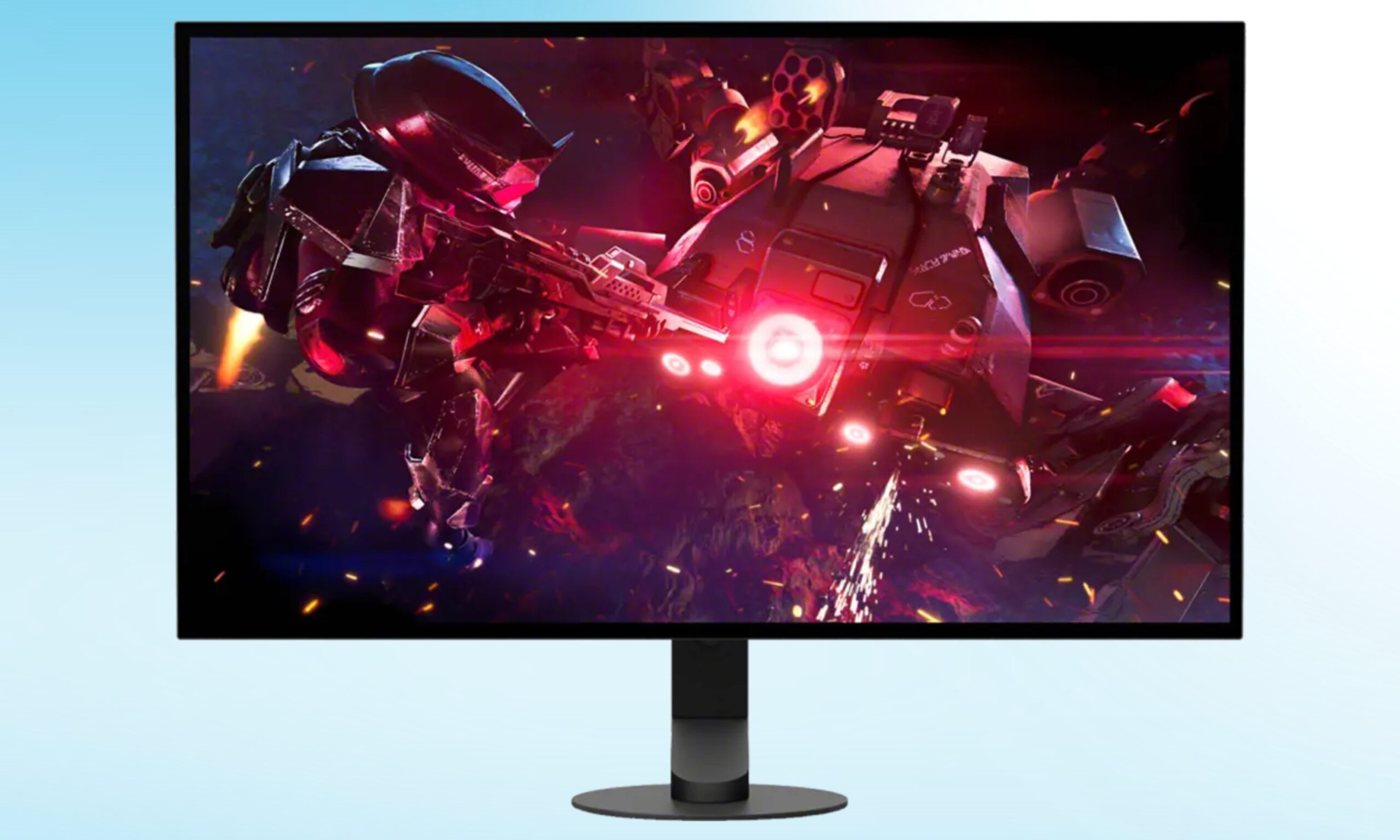
Monitors are now reaching 550Hz at 1440p, with optional modes that push refresh rates beyond 1000Hz by lowering resolution. These figures represent a level of responsiveness that moves beyond typical expectations.
For most users, the difference may not be immediately noticeable. For competitive gaming, even small gains in latency can be meaningful.
What stands out more is how these speeds are being supported. Technologies designed to synchronize strobing with refresh rates are improving motion clarity without introducing flicker or ghosting.
At this level, clarity and consistency matter as much as the headline numbers.
Motion clarity is becoming a separate priority
The focus is no longer limited to increasing refresh rates. The way motion is displayed is now being refined independently.
New approaches aim to reduce motion blur while avoiding the drawbacks of older techniques. This results in smoother visuals that feel more stable during fast movement.
Some displays rated at 360Hz are now delivering motion clarity that approaches much higher effective refresh rates. This changes how performance is evaluated, particularly for fast-paced content.
Higher resolutions are redefining workspace setups
Resolution is also moving forward in a more practical direction.
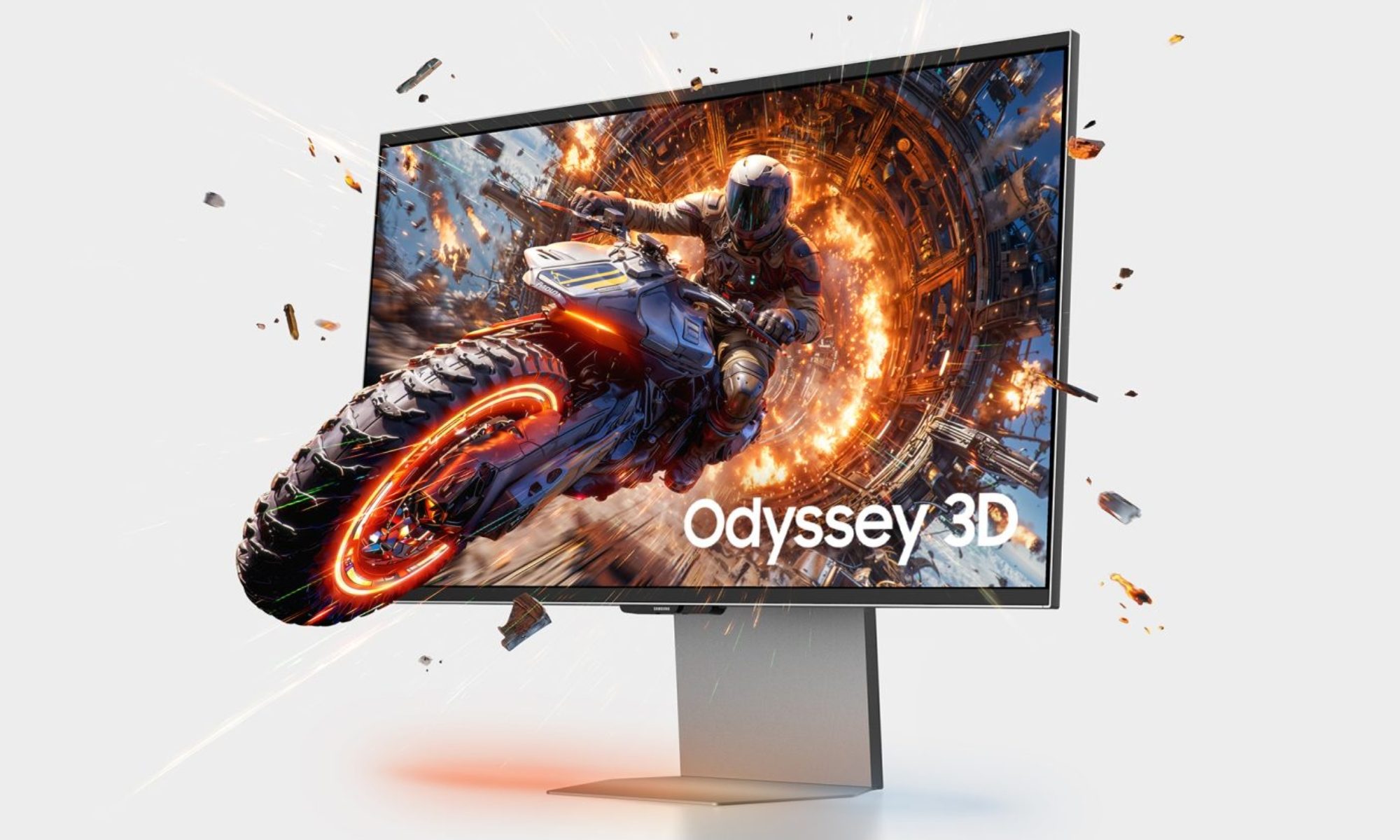
6K displays are beginning to appear, offering significantly more screen real estate than standard 4K monitors. With close to 20 million pixels, these displays allow users to work across multiple applications without needing additional screens.
This creates a more unified workspace. It removes the need for bezels and reduces inconsistencies between displays.
Some of these monitors also introduce dual-mode functionality. High-resolution modes support detailed work, while lower-resolution modes allow for higher refresh rates suited for gaming.
This flexibility reflects a broader shift toward monitors that can adapt to different use cases.
These changes are not limited to premium devices
While much of this innovation appears at the high end, it is beginning to reach more accessible price points.
OLED monitors, in particular, are becoming more attainable. Configurations that include high refresh rates and fast response times are now available at significantly lower prices than before.
At the same time, well-calibrated LCD monitors continue to offer strong performance for both creative work and general use.
This ensures that newer technologies are not confined to flagship products for long.
A category that is expanding, not just improving
What makes the current moment notable is not a single breakthrough, but the combination of several.
Image quality is improving through OLED advancements. Speed is increasing through higher refresh rates and better motion handling. Resolution is expanding to support more complex workflows.
These changes are broadening what monitors can do, rather than simply improving existing capabilities.
For users who have been holding onto older displays, this shift represents something more meaningful than a routine upgrade cycle.