
The Windows laptop market has never looked busier. There are more brands, more chips, more AI labels, and more “next-gen” promises than ever. But somehow, for all that noise, the category feels more boxed in than it has in years.
That is the irony of the AI PC moment. AI is supposed to be the big upgrade cycle that gives Windows laptops fresh relevance. Instead, it is quietly making them harder to buy into, especially if you are shopping anywhere below the premium tier. And in the middle of all that confusion, Apple’s MacBook lineup suddenly looks like the cleanest, easiest laptop story in the market.
That is the real issue. AI has not just added features to Windows laptops. It has raised the minimum entry fee.
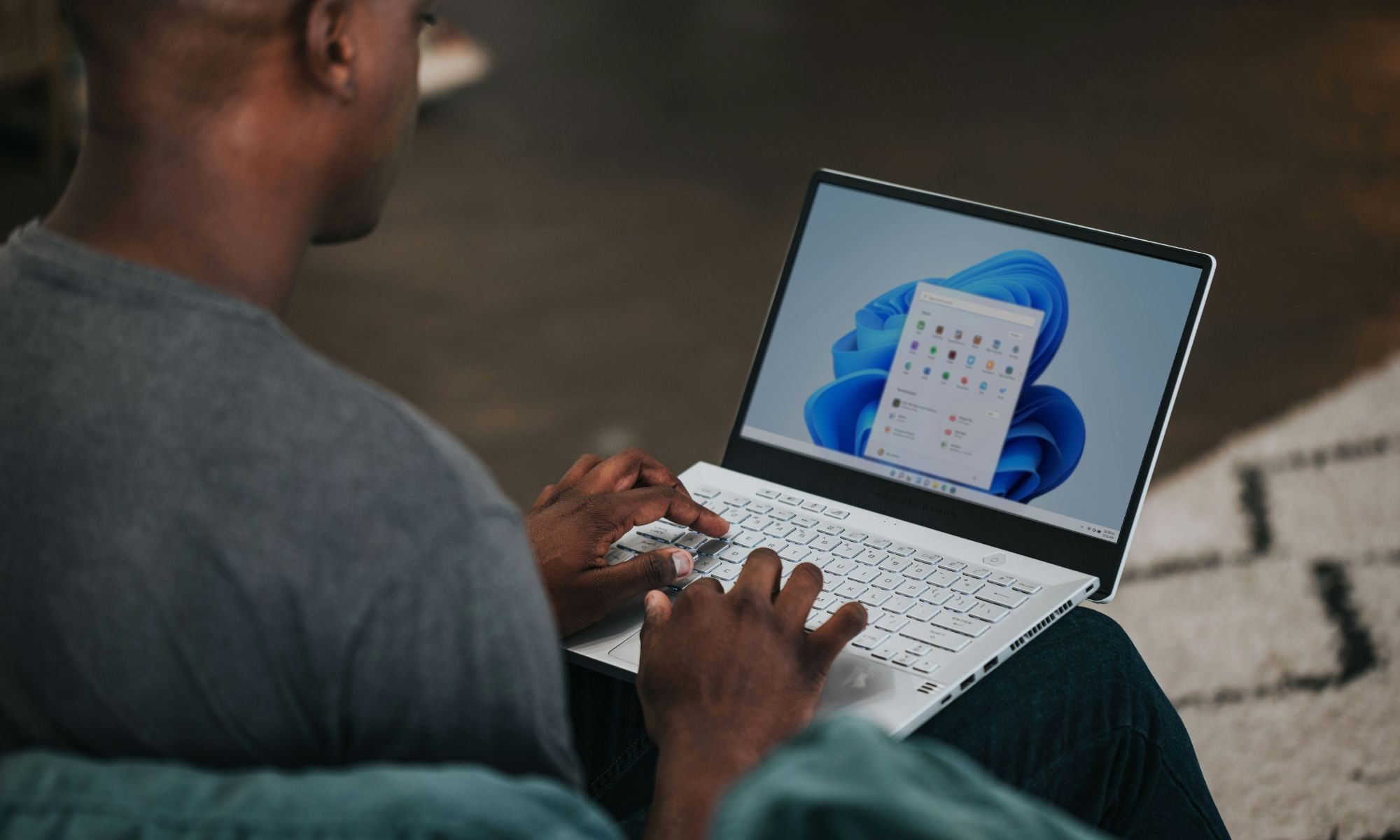
AI raised the bar, but it went too far
Microsoft’s Copilot+ PC push made that shift obvious. The company has tied its most visible AI features to a new class of Windows machines built around NPUs with 40+ TOPS, with 16GB of RAM increasingly looking like the practical baseline for the whole category.
That might sound like harmless spec-sheet evolution, but it changes the shape of the market.
For years, the appeal of Windows laptops was simple: there was always a decent entry point. You could spend less, get something usable, and move up later if you needed more power. AI complicates that. If a laptop does not have the right chip, enough memory, or an NPU, it risks feeling excluded from the “real” future of Windows that Microsoft is heavily advertising.

So AI is no longer just a bonus feature. It is becoming a hardware gatekeeper.
New baseline makes cheap Windows laptops look worse
Where things get really ugly is in the entry-level or budget segment. The AI era has made 8GB laptops feel old almost overnight. Not because they suddenly stopped handling Chrome tabs or Word documents, but because they now look under-equipped for the version of computing Windows is trying to sell. Local AI tools need memory. Background features need headroom. NPUs need the right silicon underneath them.
The result is a Windows market that keeps drifting upward in price.
More RAM, better chips, and AI-friendly hardware all cost money. And that means more Windows laptops now land in a premium zone before they have earned premium trust. On paper, Microsoft is pushing a more advanced future. In practice, it is also making the bottom half of the laptop market look less exciting, less relevant, and harder to justify.

Apple kept the story simple
This is exactly where Apple keeps winning.
The MacBook does not ask buyers to learn a new language. Apple is not selling you on TOPS, NPU tiers, or whether your machine qualifies for some future feature rollout. It is selling a thin laptop with long battery life, fast everyday performance, and a buying experience most people can understand in under a minute.
This kind of clarity and seamlessness matters more than what enthusiasts would care to admit.
Apple’s unified memory story may still annoy spec purists, but mainstream buyers do not care about forum arguments over memory architecture. They care that the machine feels fast, lasts a long time, and does not require a spreadsheet to figure out which model makes sense. Even with 8GB of RAM, the A18-powered MacBook Neo has impressed with its memory efficiency and performance overall.
AI made Windows laptops more capable… and more awkward
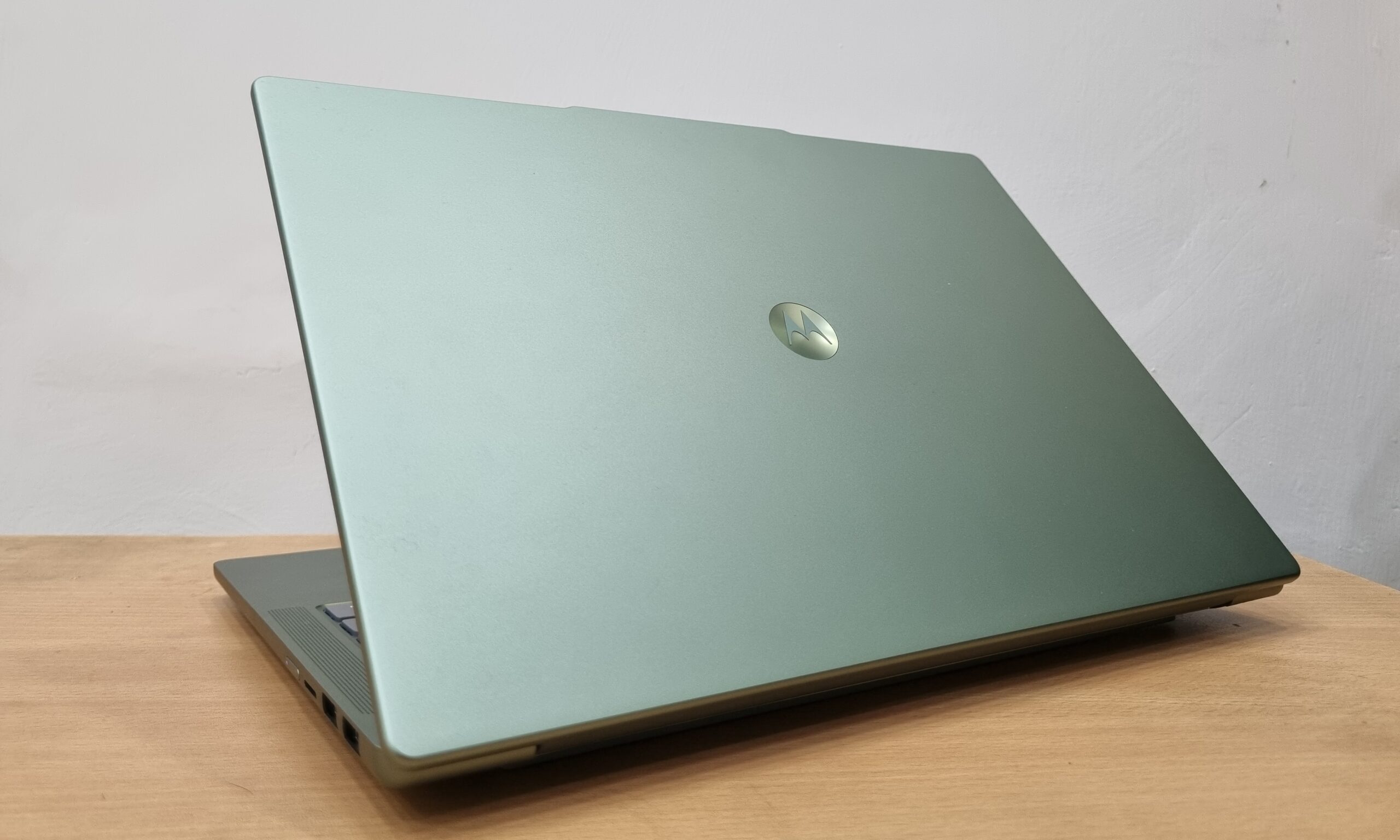
To be clear, this is not an argument that Windows laptops are suddenly bad. They are not. There are excellent AI PCs out there from Intel, AMD, Qualcomm, and Microsoft’s hardware partners. Some of them are genuinely exciting and look good while doing it.
But the broader market story is still messy. AI has made Windows laptops more capable, yes. It has also made them more expensive, more fragmented, and more dependent on buyers understanding that one acronym matters more than another.
Apple’s advantage is not that it undercuts the whole PC industry on price. It does not need to. In a market flooded with AI branding, rising hardware expectations, and increasingly expensive “modern” laptops, the MacBook just looks easier to explain.